International trade may look complex on the surface, but at its core, it follows a structured and repeatable system. Businesses across the globe rely on accurate information to move goods, comply with regulations, and make profitable decisions. This is where exim trade data becomes essential. It helps buyers, sellers, analysts, and decision-makers understand how trade flows between countries, what processes are involved, and how transactions are completed efficiently.
In today’s data-driven world, companies no longer rely only on assumptions or personal networks. Instead, they study structured trade workflows, analyze trade movements, and track compliance requirements using reliable data. By understanding the import export process step by step, businesses can reduce risks, save costs, and improve transparency in cross-border trade.
This guide explains how international trade works, breaking down export and import workflows, buyer–seller interactions, and the complete trade transaction process in a clear and practical way.
How International Trade Works
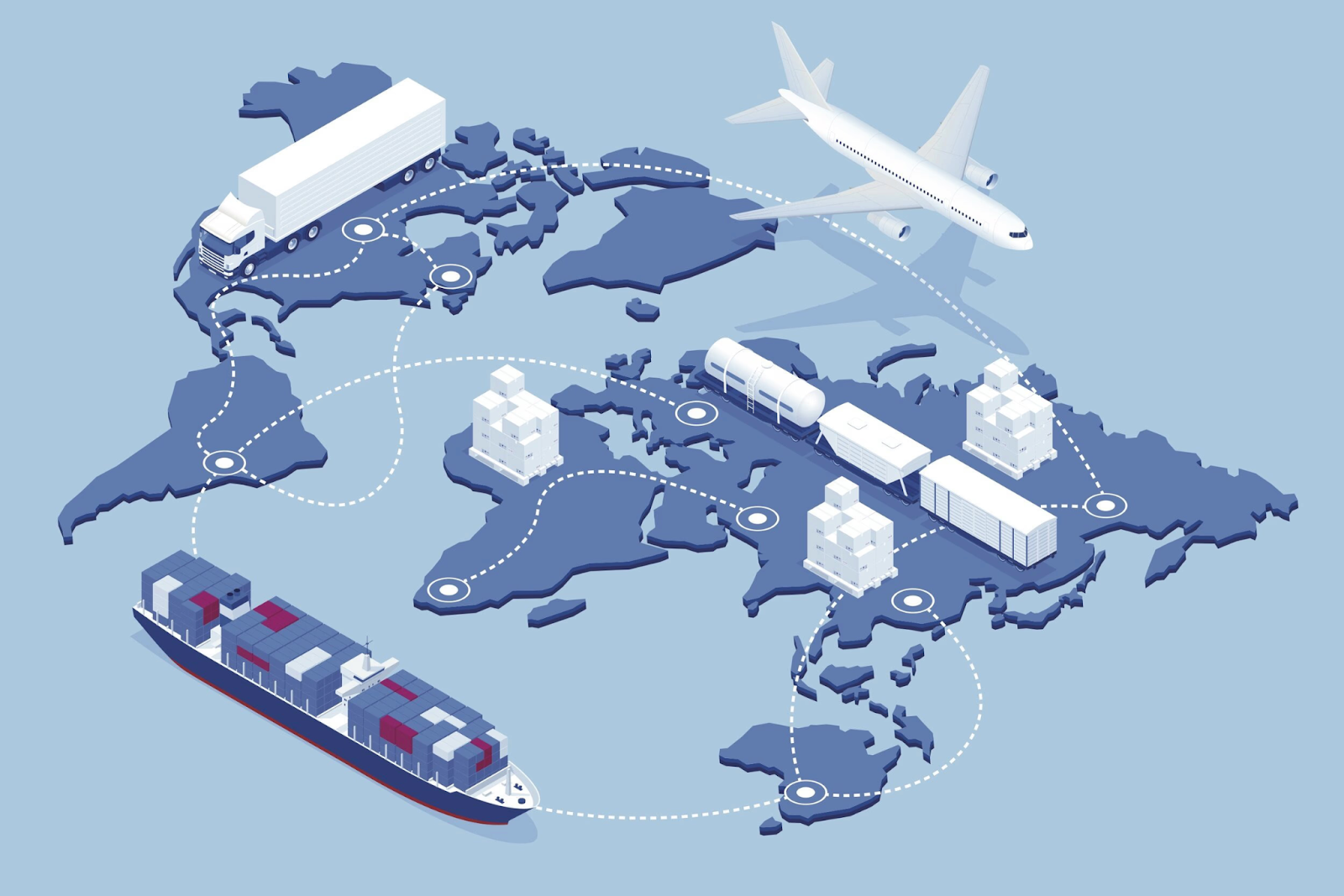
International trade is the exchange of goods or services between two or more countries. While each trade transaction may differ slightly, the overall framework remains consistent worldwide.
Key Participants in International Trade
- Exporters (sellers based in one country)
- Importers (buyers based in another country)
- Customs authorities
- Logistics and freight intermediaries
- Banks and payment facilitators
Trade begins when a buyer identifies a requirement and a seller agrees to supply under mutually accepted terms. These terms define pricing, delivery responsibility, payment method, and risk ownership.
Role of Trade Information
Accurate trade information ensures:
- Regulatory compliance
- Smooth customs clearance
- Transparent pricing
- Reduced trade disputes
- Better market intelligence
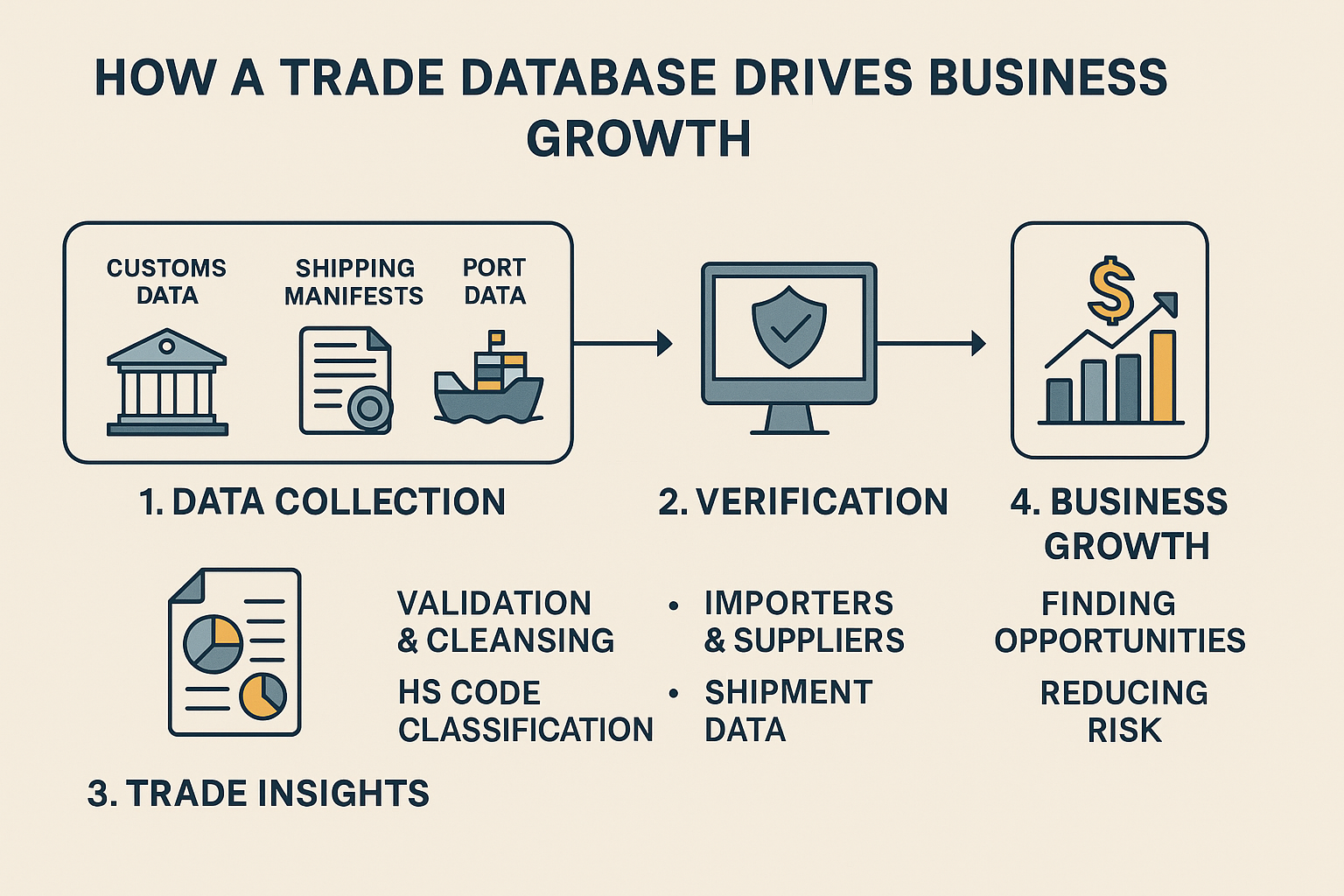
Trade data allows stakeholders to understand patterns, volumes, and historical performance, making international trade more predictable and structured.
FAQ
1. What is the purpose of structured trade workflows?
Structured trade workflows exist to bring order, clarity, and control to international trade activities. Global trade involves multiple parties—buyers, sellers, customs authorities, logistics partners, and financial institutions—often located in different countries. Without a defined workflow, transactions can quickly become disorganized and risky.
A structured workflow ensures that every step of the trade process follows a logical sequence, from inquiry and negotiation to shipment, customs clearance, and final delivery. This coordination reduces delays, minimizes errors in documentation, and prevents misunderstandings between trade partners.
In simple terms, structured trade workflows turn complex international trade operations into predictable, manageable, and scalable processes, enabling businesses to operate efficiently and confidently across borders.
2. Is international trade the same for all countries?
International trade follows a common global framework, but it is not identical across all countries. While the basic structure—exporting goods from one country and importing them into another—remains the same, the rules, procedures, and requirements vary significantly by country.
Each country has its own:
- Trade laws and customs regulations
- Import and export licensing systems
- Documentation requirements
- Duty and tax structures
- Quality, safety, and compliance standards
For example, one country may require additional inspections, certifications, or approvals before goods can be imported, while another may have simpler procedures. Some countries impose strict controls on certain categories of goods, while others encourage trade through incentives and simplified processes.
This is why businesses involved in international trade must understand country-specific regulations and procedures, rather than assuming a single global system applies everywhere. Adapting to these differences is essential for smooth operations, regulatory compliance, and long-term trade success.
Conclusion
International trade is a structured system built on workflows, compliance, and collaboration. From understanding how trade works to executing exports, managing imports, and completing end-to-end transactions, every step plays a vital role.
With the right knowledge, clear processes, and dependable data insights, businesses can navigate global trade with confidence. Leveraging exim trade data empowers organizations to move beyond guesswork, enabling smarter decisions and sustainable growth in the global marketplace.