




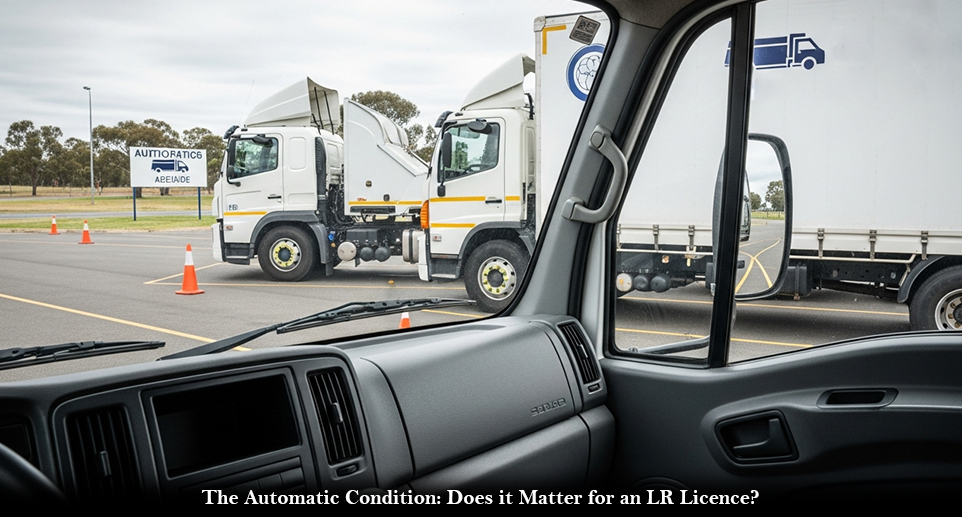
LR licence holders often face a crucial decision before they even sit behind the wheel: should they train in an automatic or a manual vehicle? The Light Rigid (LR) class authorizes you to drive small buses or trucks that are over 4.5 tonnes but not exceeding 8 tonnes Gross Vehicle Mass (GVM), or vehicles that seat more than 12 adults. While modern technology has made automatic transmissions increasingly common in the transport industry, understanding how your choice of gearbox affects your licence conditions is vital for your future driving career.
Understanding the Restriction
When you undertake your practical driving test in a vehicle with an automatic transmission, your licence will be endorsed with a specific condition. This restricts you to driving only automatic vehicles within that class. This path is often chosen by volunteers driving community buses or paramedics driving ambulances, as it simplifies the learning curve. Obtaining an LR Licence in an automatic vehicle allows the driver to focus entirely on road rules, vehicle dimensions, and hazard perception without the added complexity of operating a clutch and gear stick. For many, this is the quickest and most stress-free way to get qualified.
The Value of Versatility
However, there is a strong argument for learning to drive a manual. If you hold an unrestricted Light Rigid Licence, you instantly become more valuable to potential employers. While many new fleets are automatic, many companies still rely on older manual trucks for deliveries, removals, or trades. If your licence has an automatic condition, you are legally prohibited from driving a manual truck. Being unrestricted means, you can jump into any vehicle in the yard, making you a more flexible and employable candidate in the logistics and transport sector.
Choosing the Right Training Path
Deciding which path to take often comes down to your specific needs and the quality of instruction you receive. When looking for LR Licence Training Adelaide providers, it is important to discuss your career goals with your instructor. If you learn on a manual gearbox (usually a synchromesh, which is similar to a car manual), you will be licensed to drive both manual and automatic vehicles. If you choose the easier automatic route now, remember that you will have to undergo another practical test in a manual vehicle later if you wish to remove the restriction.
Summary: Automatic vs. Manual
Here are the key points to consider when choosing your transmission type:
• Automatic Pros: Easier to learn, less fatigue in traffic, faster to obtain.
• Automatic Cons: legally restricted to automatic vehicles, fewer job opportunities.
• Manual Pros: Unrestricted licence (can drive auto and manual), better vehicle control, higher employability.
• Manual Cons: Steeper learning curve, requires more coordination.
Ultimately, the choice between automatic and manual depends on where you see your driving future. If you want the most versatile qualification possible, a manual licence is the way to go. However, if you require a licence quickly for a specific automatic vehicle, the automatic condition is a perfectly valid option. Regardless of the path you take, JD's Truck Training Center provides thorough, skilled, and compassionate education to help you pass your exam with confidence and drive safely.
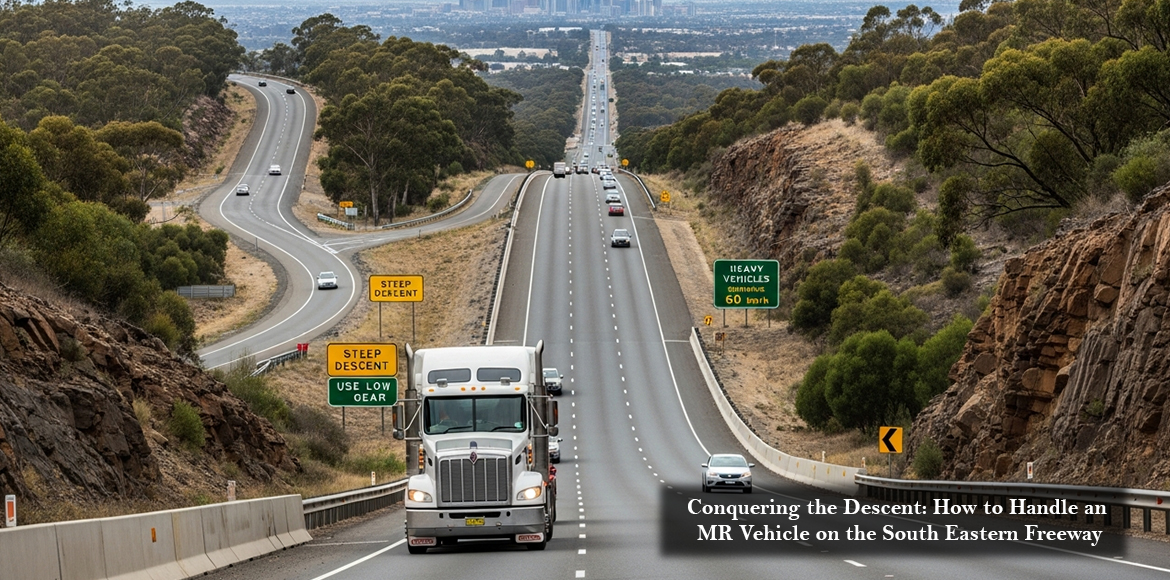
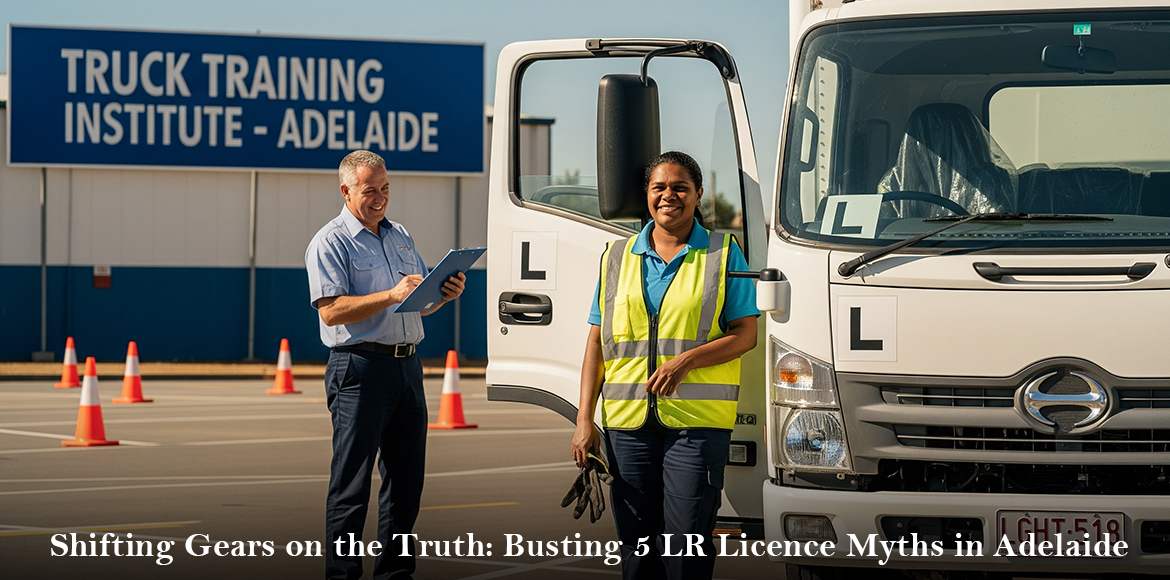
If you want to drive a heavy vehicle, such as a truck or bus, you will require the right 'Class' of licence for the vehicle you want drive.
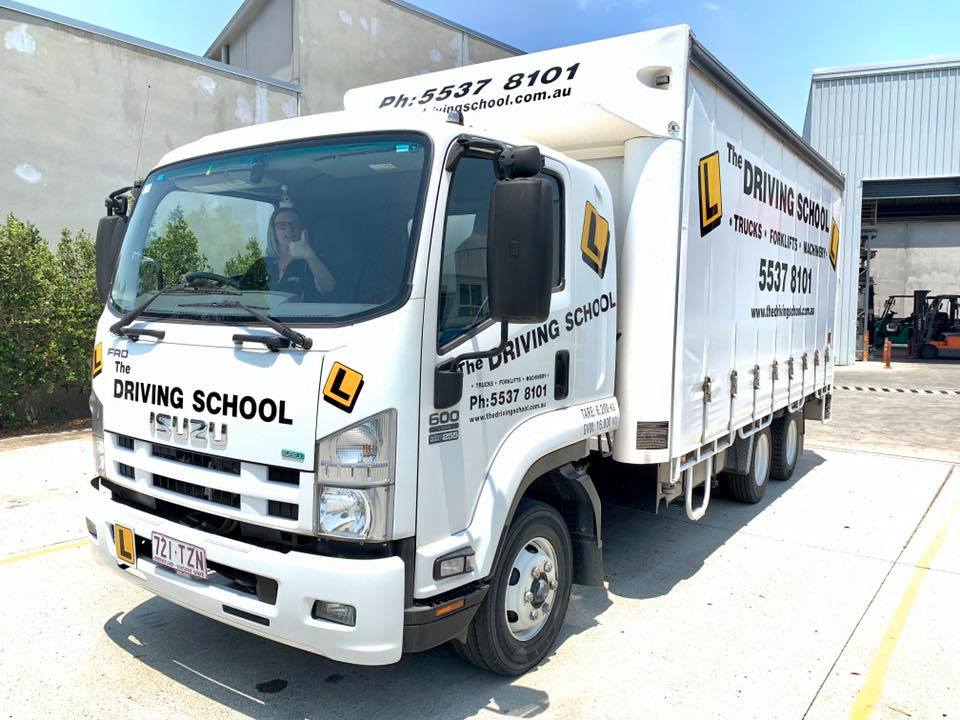
The Driving School provide training for truck licence in Gold Coast and Brisbane.