





Introduction
Multi-grip structural rivets are engineered fastening solutions designed to perform reliably across varying material thicknesses. You use them when strength, vibration resistance, and installation efficiency matter more than tight tolerance stacking. Unlike standard blind rivets, multi-grip structural rivets deliver consistent clamp force, even when hole sizes or material stacks vary.
This article explains how multi-grip structural rivets work, why you should choose them, where you can apply them, and how you can install them correctly. You will also review real-world case studies and practical guidance backed by industry practice from Avlock International India.
What Are Multi-Grip Structural Rivets?
Multi-grip structural rivets are high-strength blind fasteners that accommodate a wide grip range with one rivet size. You can fasten multiple material thickness combinations without changing rivet length. This capability reduces inventory, simplifies installation, and lowers assembly errors.
Unlike conventional blind rivets, multi-grip structural rivets form a controlled bulbed tail on the blind side. This tail provides high shear strength, tensile strength, and vibration resistance. The mandrel locks inside the rivet body, adding structural integrity.
You typically use multi-grip structural rivets when welding is impractical or when you need one-sided access.
How Multi-Grip Structural Rivets Work
Multi-grip structural rivets expand differently from standard rivets. When you pull the mandrel, the rivet body deforms progressively instead of collapsing at one point. This controlled deformation allows the rivet to fill oversized holes and uneven stacks.
Key working principles include:
Mandrel retention for added joint strength
Radial expansion for superior hole fill
Wide grip range for flexible assembly
High clamp force across varying materials
This mechanism is why multi-grip structural rivets perform well in structural applications.
Advantages of Multi-Grip Structural Rivets
Wide Grip Range Reduces Inventory
You can cover multiple material thicknesses using one rivet size. Multi-grip structural rivets reduce SKU count and storage costs. This advantage matters in large-scale manufacturing.
High Structural Strength
Multi-grip structural rivets deliver excellent shear and tensile strength. You can rely on them in load-bearing assemblies without secondary fasteners.
Excellent Vibration Resistance
The locked mandrel prevents loosening under vibration. Multi-grip structural rivets are suitable for transport, machinery, and dynamic loads.
One-Sided Installation
You only need access from one side. This feature makes multi-grip structural rivets ideal for hollow sections and closed profiles.
Consistent Joint Quality
Even with hole variation, multi-grip structural rivets maintain joint integrity. You reduce rework and inspection failures.
Multi-Grip Structural Rivets vs Standard Blind Rivets
Multi-grip structural rivets are designed to handle a wide grip range, making them suitable for applications where material thickness may vary, while standard blind rivets work best with a narrow grip range and require more precise sizing. In terms of structural strength, multi-grip structural rivets offer high load-bearing capacity, making them ideal for demanding and heavy-duty applications, whereas standard blind rivets provide low to moderate strength and are typically used for lighter assemblies. One key advantage of multi-grip structural rivets is mandrel retention, which ensures the mandrel remains locked inside the rivet body for added safety and durability; standard blind rivets, on the other hand, usually do not retain the mandrel. When exposed to movement or dynamic loads, multi-grip structural rivets deliver excellent vibration resistance, while standard blind rivets have limited resistance and may loosen over time.
If your application demands reliability, this rivets outperform standard blind rivets.
Materials Used in Multi-Grip Structural Rivets
You can source multi-grip structural rivets in several material combinations:
Aluminium body with steel mandrel
Steel body with steel mandrel
Stainless steel body and mandrel
Your choice depends on corrosion resistance, load requirements, and environmental exposure. Avlock International India offers multiple material options tailored to industrial needs.
Common Applications of Multi-Grip Structural Rivets
Automotive and Commercial Vehicles
You use multi-grip structural rivets for body panels, frames, brackets, and interior assemblies. Their vibration resistance supports long-term durability.
Construction and Infrastructure
Multi-grip structural rivets secure metal cladding, façades, handrails, and support frames. You benefit from fast installation and consistent performance.
Railways and Transportation
Railway coaches rely on multi-grip structural rivets for structural panels and fittings. One-sided installation simplifies assembly.
Renewable Energy Systems
You install multi-grip structural rivets in solar mounting systems and wind turbine components where access is limited.
Industrial Equipment
Machine housings, enclosures, and support frames depend on multi-grip structural rivets for long service life.
Installation Tips for Multi-Grip Structural Rivets
Select the Correct Rivet Diameter
Choose diameter based on load requirements, not just hole size. Multi-grip structural rivets perform best when sized correctly.
Prepare the Hole Properly
Drill clean, burr-free holes. Poor hole quality reduces joint strength, even with multi-grip structural rivets.
Use the Right Installation Tool
Always use a calibrated rivet gun compatible with structural rivets. Insufficient pull force causes incomplete mandrel locking.
Verify Mandrel Retention
After installation, ensure the mandrel is locked inside the rivet body. This confirms full structural performance.
Avoid Over-Clamping
Do not exceed the recommended pull force. Over-clamping can deform thin materials.
Quality Standards and Compliance
Multi-grip structural rivets typically comply with international fastening standards. You should verify conformity with ISO, DIN, or customer-specific requirements. Avlock International India follows strict quality control and traceability protocols.
Case Study 1: Automotive Assembly Optimization
A commercial vehicle manufacturer faced frequent joint failures due to vibration. Multiple rivet sizes complicated inventory management.
Solution:
The manufacturer replaced standard blind rivets with multi-grip structural rivets from Avlock International India.
Results:
Inventory reduced by 40%
Assembly time dropped by 18%
Joint failures reduced to near zero
Multi-grip structural rivets delivered consistency and long-term durability.
Case Study 2: Solar Mounting Structure Installation
A solar EPC contractor struggled with uneven material thickness and limited rear access.
Solution:
The contractor used multi-grip structural rivets for aluminium mounting frames.
Results:
Faster installation with one rivet size
Improved joint strength under wind load
Reduced on-site rework
Multi-grip structural rivets ensured reliable fastening in outdoor conditions.
Case Study 3: Railway Coach Manufacturing
A railway coach builder required vibration-resistant fasteners with blind-side access.
Solution:
Multi-grip structural rivets replaced welded joints in non-critical areas.
Results:
Reduced heat distortion
Faster production cycles
Improved structural consistency
Multi-grip structural rivets met performance and safety requirements.
Common Mistakes to Avoid
Using standard rivet tools for structural rivets
Ignoring the recommended grip range
Installing in oversized or damaged holes
Selecting incorrect material combinations
Avoiding these mistakes ensures optimal performance from multi-grip structural rivets.
Why Choose Avlock International India
Avlock International India specializes in high-performance fastening solutions. You benefit from:
Consistent product quality
Wide range of multi-grip structural rivets
Technical support and application guidance
Industry-proven reliability
You gain both product strength and engineering confidence.
Conclusion
Multi-grip structural rivets offer a practical solution when strength, flexibility, and installation efficiency matter. You reduce inventory, improve joint reliability, and simplify assembly processes. With proper selection and installation, multi-grip structural rivets outperform traditional fastening methods across industries.

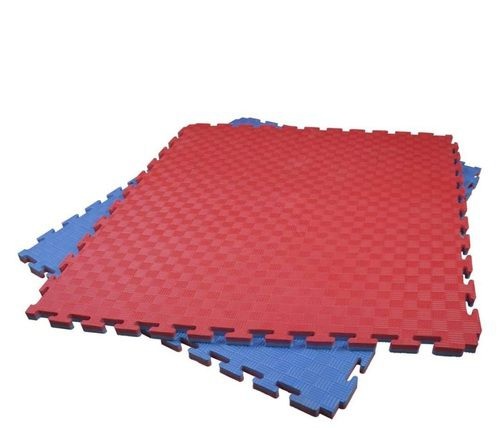
Looking to buy durable and wear-resistant interlocking mats?
We, at Grip International, are a praised interlocking mats manufacturer in India.
Extra Cushioning & easy assembling are the unique selling points of our mats.
For more details visit grip.international
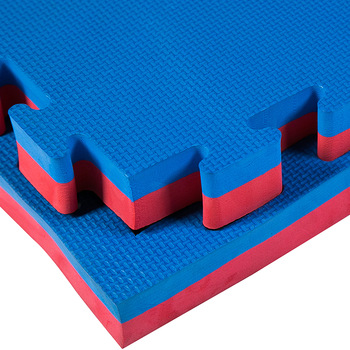
Want to get your type of interlocking mats mat customized?
If yes, get it tailored made from Grip International.
We hold a great reputation in being an appreciated interlocking mats manufacturer in India.
For more details visit gripinternational.in