






As more families explore alternatives to nursing homes and assisted living facilities, in-home 24-hour care has become an important solution for seniors who need continuous supervision and support. Many older adults live with complex medical conditions, memory loss, or physical limitations that make around-the-clock assistance necessary. At the same time, the desire to remain in the comfort of home is stronger than ever. In-home 24-hour care bridges this gap by delivering personalized care in a familiar environment, allowing aging adults to maintain dignity and independence while staying safe every hour of the day and night. For families who worry about emergencies, overnight wandering, or chronic illness, this level of care offers peace of mind and stability.
Understanding the Purpose of 24-Hour Home Care
In-home 24-hour care is designed for individuals who cannot be left alone because of safety risks, health concerns, or mobility challenges. Unlike regular home care services, which may cover only a few hours per day, 24-hour care provides constant support from caregivers who work in shifts to ensure someone is always awake, alert, and available. Seniors dealing with advanced memory disorders such as Alzheimer’s disease or other forms of dementia often struggle with nighttime disorientation or wandering behaviors. Others may have conditions like Parkinson’s disease, post-stroke limitations, or severe arthritis that make mobility difficult. Some seniors require regular medication reminders or assistance using the restroom during the night. By offering steady support, 24-hour care prevents accidents and maintains a safe routine that supports physical, emotional, and cognitive well-being.
The Structure of Continuous In-Home Care
Continuous in-home care typically involves a trained caregiving team who rotate shifts to provide uninterrupted supervision. Caregivers can assist with a wide range of daily activities, including meal preparation, personal hygiene, mobility support, toileting, dressing, medication reminders, and companionship. Overnight caregivers remain attentive in case the senior needs help getting out of bed, accessing the bathroom, managing discomfort, or calming anxiety. Families can customize the level of support depending on the individual’s needs. Some seniors require constant interaction due to cognitive conditions, while others simply need someone present for safety and occasional assistance. This personalized structure is one of the greatest advantages of 24-hour care compared to facility-based settings, where routines are standardized and individual preferences may not be prioritized.
Who Benefits Most From In-Home 24-Hour Care
In-home 24-hour care is particularly beneficial for older adults with advanced mobility challenges, high fall risk, or cognitive impairments. Individuals living with Alzheimer’s disease or dementia often experience confusion, agitation, or wandering at night, making constant supervision necessary. Seniors recovering from major surgery, stroke, or hospitalization may require continuous support to prevent complications or reinjury. Those who rely on oxygen, feeding assistance, or frequent medication dosing also benefit from this level of care. For seniors who have lost the ability to safely transfer from bed to chair or navigate the home without help, 24-hour supervision prevents falls and provides reassurance. Families who live far away or who cannot maintain a full-time caregiving schedule rely on these services to ensure their loved one remains safe and comfortable without sacrificing the desire to age at home.
Maintaining Dignity and Quality of Life Through Familiar Routines
One of the greatest strengths of in home 24 hour care is the ability to surround seniors with familiar belongings, routines, and environments. Many seniors experience emotional distress or confusion when uprooted from their home, especially those with memory disorders. Remaining at home supports cognitive stability because daily routines, furniture placement, photographs, and personal items provide grounding and comfort. Caregivers who provide 24-hour support learn the senior’s preferences, habits, and communication style. They adapt to routines instead of forcing the senior to adapt to an institutional schedule. This level of personalization reinforces dignity, encourages cooperation, and promotes a higher quality of life than many facility-based settings can offer.
Preventing Emergencies and Promoting Safety Around the Clock
For seniors who cannot be left alone, one of the biggest concerns is the risk of nighttime emergencies. Falls are a major concern for aging adults, especially those who need to use the restroom during the night or who wake up disoriented and try to stand without support. Medication complications, chronic pain, and shortness of breath can arise unexpectedly. Without supervision, even minor incidents can escalate quickly. With 24-hour in-home care, caregivers are trained to recognize early signs of distress, assist with safe transfers, and respond to urgent needs immediately. Many caregivers monitor hydration, nutrition, bathroom safety, and comfort to prevent issues before they become emergencies. By remaining alert and available at all times, they reduce hospitalizations and help seniors remain stable while living at home.
Support for Family Caregivers and Prevention of Burnout
Families often want to provide constant support for their aging loved ones, but caregiving is physically and emotionally demanding. When a senior requires 24-hour supervision, family caregivers may find themselves losing sleep, missing work, or experiencing stress and fatigue. In-home 24-hour care fills this gap by offering dependable support that does not rely on family availability. Caregiving teams ensure that both daytime and nighttime needs are covered so relatives can rest, spend time with their families, and maintain their own health. This balance strengthens family relationships by allowing relatives to interact with their loved ones emotionally instead of being consumed by constant caregiving duties. Families who use 24-hour care often report reduced anxiety and increased confidence knowing that their loved one is protected even when they cannot be present.
Differences Between Live-In Care and 24-Hour Awake Care
Although the terms are sometimes used interchangeably, live-in care and 24-hour awake care are not the same. Live-in care involves a caregiver who stays in the home for extended periods but requires designated sleep hours and private space. During sleep hours, the caregiver may not be awake unless an emergency arises. In contrast, 24-hour awake care includes caregivers who work in shifts and remain fully awake throughout the night and day. This model provides uninterrupted supervision and is ideal for seniors who frequently wake up, wander, or require assistance at unpredictable times. Understanding this distinction helps families choose the most appropriate care plan for their loved one’s needs. Seniors who need only occasional nighttime assistance may do well with live-in care, while individuals who require constant observation benefit more from awake 24-hour service.
Cognitive Support and Companionship
Beyond physical assistance, 24-hour in-home care provides vital emotional and cognitive support. Seniors who struggle with memory loss, confusion, or anxiety often benefit from structured conversations, simple activities, and positive social interaction. Continuous companionship helps reduce feelings of loneliness, which is a common issue among aging adults who do not leave the home frequently. Caregivers may engage seniors in light conversation, reading, games, or reminiscing about past experiences. These activities can help maintain cognitive function, boost mood, and create meaningful relationships. Many seniors respond positively when caregivers learn about their interests, histories, and routines. This individualized attention contributes to emotional comfort and a more enriching daily experience.
Flexibility and Customization of Care Plans
One of the major advantages of in-home 24-hour care is flexibility. Care plans can be adapted as health conditions evolve, allowing families to increase or decrease services based on changing needs. Seniors facing progressive conditions may begin with daytime assistance and eventually transition into 24-hour care as safety concerns increase. Families can also customize the care plan to focus on specific needs such as mobility stabilization, dementia support, fall prevention, or chronic illness management. This ability to modify care without relocating the senior preserves continuity and stability. Families maintain control over the care process, and seniors do not have to endure disruptive transitions to new environments.
Conclusion: The Value of Continuous Care at Home
In-home 24-hour care represents a compassionate solution for seniors who require constant supervision while wishing to remain in the comfort of their own home. It delivers safety, stability, emotional support, and dignity through personalized attention and familiarity. For families, it offers peace of mind and relief from the pressures of round-the-clock caregiving. As more seniors express the desire to age in place, 24-hour in-home care will continue to play a vital role in supporting independence and improving quality of life. With experienced caregivers, customized care plans, and continuous monitoring, aging adults can maintain security, well-being, and comfort while staying surrounded by the people, memories, and environments that matter most.


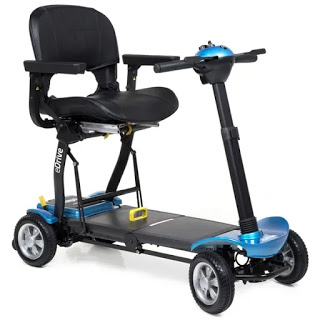
Many people suffer from mobility problems due to a range of factors including arthritis, cognitive disorders and more.
Commonly, the problem of moving independently increases with the age that is why it can be noticed in elderly people or senior citizens.