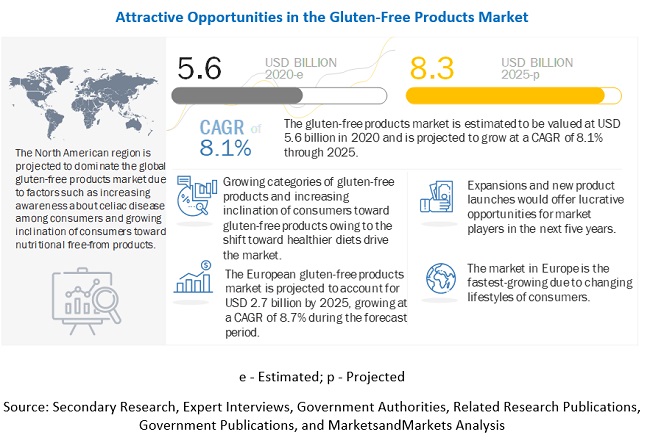
According to a research report published by MarketsandMarkets, the North America gluten-free products market is projected to grow from USD 4.21 billion in 2025 to USD 5.94 billion by 2030, registering a CAGR of 7.1% during the forecast period. This growth reflects the region’s strong consumer awareness, mature packaged food ecosystem, and sustained demand for health-focused dietary alternatives.
North America continues to represent the largest regional market for gluten-free products globally, supported by clear regulatory frameworks, advanced manufacturing capabilities, and extensive retail distribution networks.
Strong Consumer Awareness and Regulatory Clarity Support Market Leadership
The dominance of North America in the gluten-free products market is largely driven by high awareness of celiac disease and gluten sensitivity. In addition to medical needs, lifestyle-driven dietary choices have significantly expanded the consumer base for gluten-free foods.
In the United States, the Food and Drug Administration has established clear regulations governing gluten-free claims, including for fermented and hydrolyzed foods. These guidelines have enhanced labeling transparency and strengthened consumer trust, encouraging manufacturers to extend gluten-free claims across categories such as sauces, dairy alternatives, snacks, and ready meals. Similarly, Canada’s stringent allergen labeling standards ensure consistency and compliance across the region, reinforcing consumer confidence.
Make an Inquiry to Address your Specific Business Needs
Lifestyle Nutrition Trends Accelerate Product Innovation
Gluten-free consumption in North America is no longer limited to dietary restrictions. Digestive health, weight management, and clean-label preferences are shaping consumer purchasing decisions. Health-conscious individuals and fitness-oriented consumers increasingly view gluten-free diets as part of a broader wellness strategy.
Manufacturers are responding by developing gluten-free products that are higher in protein, enriched with fiber, lower in sugar, and often plant-based. Product innovation in the region focuses heavily on taste and texture improvements, which were historically major barriers to adoption. Advanced formulation techniques using pulse flours, functional starches, and hydrocolloids have driven notable improvements across bakery, frozen food, and snack categories. These advancements have helped normalize gluten-free products as everyday food options rather than niche alternatives.
Specialty Stores Emerge as a Key Distribution Channel
By distribution channel, specialty stores are projected to lead the North America gluten-free products industry during the forecast period. These stores benefit from strong consumer trust, curated product assortments, and personalized guidance that appeals to shoppers seeking certified or premium gluten-free products.
At the same time, conventional retail channels such as supermarkets, mass merchandisers, and club stores are expanding their gluten-free shelf space, improving visibility and driving price competition. Drugstores and pharmacies also play an important role, particularly for consumers seeking medically approved or certified gluten-free options. Retailers such as Whole Foods Market continue to expand both private-label and branded gluten-free portfolios, further strengthening category growth.
Pizzas and Pastas Gain Momentum Across Product Types
By type, the pizzas and pastas segment is projected to lead the North America gluten-free products market during the forecast period. Demand is driven by consumer preference for convenient and familiar comfort foods that align with gluten-free dietary needs.
Gluten-free versions of frozen pizzas, pasta, and classic meals such as macaroni and cheese are gaining popularity among both gluten-sensitive consumers and those choosing gluten-free options by preference. Major players active in this segment include The Kraft Heinz Company, Conagra Brands, Inc., and General Mills, Inc., which continue to expand their gluten-free offerings through innovation and reformulation.
United States Remains the Core Growth Engine
The United States is expected to maintain its dominant position in the North America gluten-free products market throughout the forecast period. Growth is supported by strong brand presence, advanced production infrastructure, and widespread retail and foodservice distribution.
Key players operating in the US include The Hain Celestial Group, Kellanova, Enjoy Life, and Katz Gluten Free. These companies rely on dedicated gluten-free manufacturing facilities, strict allergen control systems, and ongoing product reformulation to meet evolving consumer expectations. Strong brand recognition and responsiveness to health and wellness trends continue to differentiate leading players in the market.
Market Outlook and Future Opportunities
The North America gluten-free products market is expected to grow steadily through 2030, supported by lifestyle-driven adoption, regulatory transparency, and continuous innovation in product formulation. As gluten-free foods become more mainstream, manufacturers that focus on taste, nutrition, and clean-label positioning are likely to gain competitive advantage.
With expanding retail presence, rising demand for convenient meal solutions, and strong leadership from US-based brands, gluten-free products are positioned to remain a significant and evolving segment of the regional food industry.
Frequently Asked Questions
• What is driving growth in the North America gluten-free products market?
Market growth is driven by high awareness of celiac disease and gluten sensitivity, along with increasing lifestyle-driven adoption of gluten-free diets. Demand is also supported by clean-label preferences, digestive health concerns, and strong innovation within the packaged food industry.
• Why does North America lead the global gluten-free products market?
North America leads due to well-established regulatory frameworks, advanced food manufacturing capabilities, and extensive retail distribution. Clear labeling standards in the US and Canada have strengthened consumer trust and encouraged broader product adoption.
• How do regulations support gluten-free product adoption in the region?
In the US, Food and Drug Administration regulations governing gluten-free claims have improved transparency and compliance, including for fermented and hydrolyzed foods. Canada’s strict allergen labeling requirements further support consistency and consumer confidence across the region.
• What role do lifestyle and wellness trends play in gluten-free consumption?
Gluten-free eating in North America extends beyond medical needs. Many consumers choose gluten-free products for digestive comfort, weight management, and clean-label preferences, making these products part of everyday wellness routines.
• Which distribution channel leads the North America gluten-free products market?
Specialty stores are projected to lead the market due to higher consumer trust, curated assortments, and personalized assistance. Conventional retail and drugstores also play an important role by expanding shelf space and improving accessibility.