


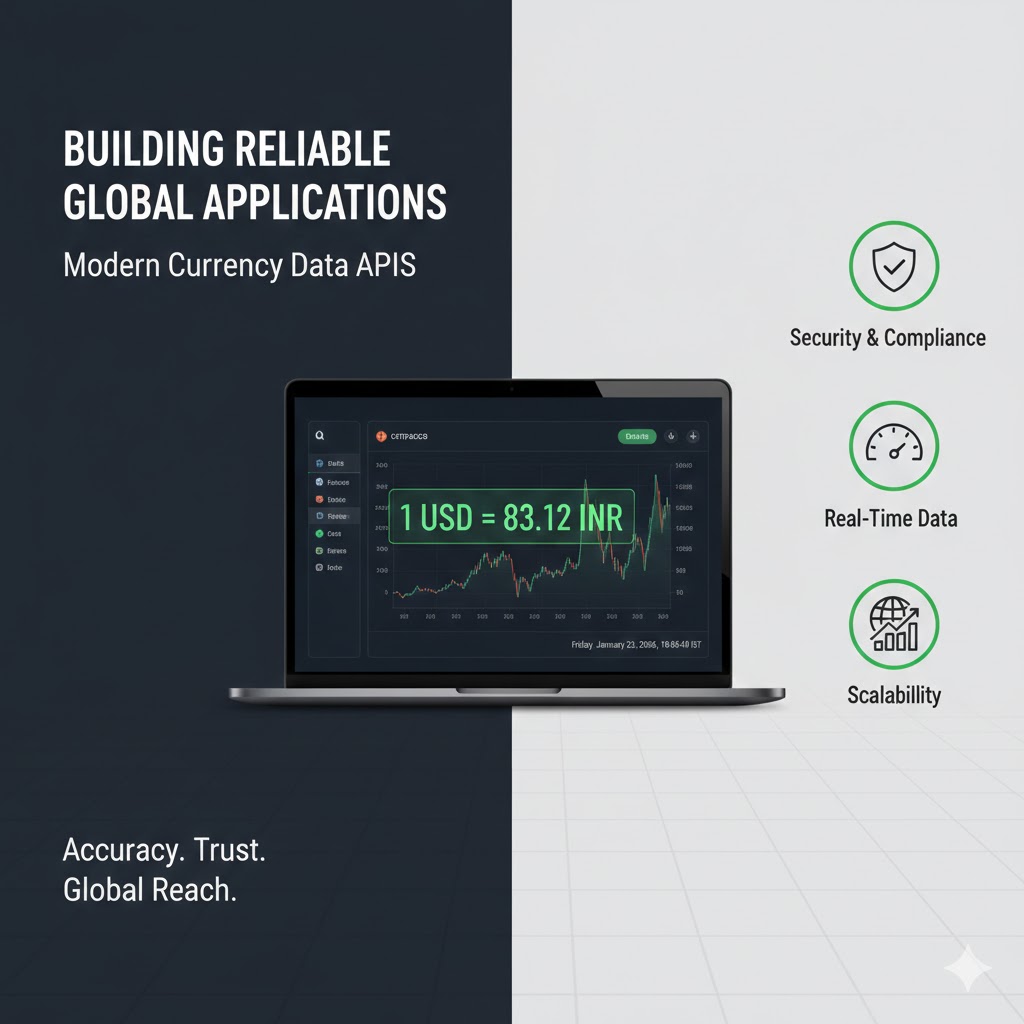
Applications are no longer confined to a single market, region, or currency. From SaaS platforms and fintech startups to ecommerce systems and analytics dashboards, modern applications are expected to handle global users effortlessly. One of the most overlooked yet business-critical components in this ecosystem is accurate, real-time currency data.
Developers know this pain point well. Hardcoded exchange rates, outdated CSV files, or manual updates quickly become technical debt. As soon as an application scales internationally, even minor inaccuracies in conversion logic can lead to pricing errors, accounting mismatches, or broken user trust.
This is where well-designed currency data solutions step in — not as a “nice to have,” but as core infrastructure.
Why Currency Data Is a Foundational Layer in Global Software
Currency exchange data is not just about displaying numbers. It directly affects how users perceive pricing, how businesses calculate revenue, and how systems interact across borders.
Consider a few real-world scenarios:
A subscription platform billing customers in local currencies
A trading or analytics app showing real-time market movements
An ecommerce site calculating taxes, shipping, and discounts dynamically
A financial reporting system consolidating multi-currency revenue
In each case, inaccurate or delayed exchange rates can cause downstream issues that are difficult to debug and expensive to fix.
That’s why many development teams now treat currency exchange functionality as a service dependency, similar to authentication or payment processing.
What Developers Actually Need from a Currency API
From a technical standpoint, developers are not just looking for “exchange rates.” They care about reliability, structure, performance, and long-term maintainability.
Here’s what matters most in real production environments:
1. Consistent Data Accuracy
Rates should be sourced from dependable providers and updated frequently. Even small discrepancies can compound over thousands of transactions.
2. Clear and Predictable API Responses
Clean JSON structures, logical endpoints, and stable response formats make integration easier and reduce future refactoring.
3. Performance at Scale
Applications making frequent requests — especially high-traffic platforms — need low latency and efficient response times.
4. Historical and Real-Time Support
Many use cases require both live exchange data and historical rates for reporting, auditing, or analytics.
5. Developer-Friendly Documentation
Good documentation saves hours of onboarding time and reduces support overhead.
This is why many teams opt for a dedicated currency api rather than building custom solutions in-house.
The Hidden Risks of DIY Currency Conversion
At first glance, rolling your own currency conversion logic might seem simple. Fetch rates from a public source, store them, and convert values on demand. In practice, this approach introduces multiple risks:
Data Staleness: Rates may not update frequently enough
Source Reliability: Free or unofficial sources can change without notice
Maintenance Overhead: Monitoring, retries, and error handling become your responsibility
Scaling Issues: Increased traffic can break homegrown solutions
As systems grow, these “small” problems turn into major operational bottlenecks.
A production-ready currency rate api eliminates these risks by abstracting complexity and letting developers focus on product logic instead of infrastructure plumbing.
Use Cases Across Developer-Centric Industries
Currency data APIs are used far beyond traditional finance applications. Here’s how different technology sectors rely on them today.
SaaS Platforms
Subscription-based tools often support users from multiple countries. Currency conversion ensures consistent pricing, accurate invoices, and transparent billing.
Ecommerce & Marketplaces
From product pricing to refunds and discounts, currency calculations affect the entire transaction lifecycle.
Fintech & Payments
Wallets, remittance apps, and budgeting tools require up-to-date exchange rates to maintain financial integrity.
Analytics & Reporting Tools
Dashboards aggregating revenue across regions depend on standardized conversion logic for meaningful insights.
Travel & Booking Systems
Flights, hotels, and experiences are priced dynamically, often requiring real-time conversions across dozens of currencies.
In all these cases, currency data is not a feature — it’s infrastructure.
Integration Considerations Developers Care About
When choosing a solution, experienced developers evaluate more than marketing claims. Some key technical considerations include:
Authentication models (API keys, request limits, security)
Rate limits and scalability options
Error handling and fallback behavior
Versioning and backward compatibility
A robust currency data solution should fit naturally into modern development workflows, whether you’re building with JavaScript, Python, PHP, or serverless architectures.
Why API-First Design Matters
API-first platforms are designed with developers in mind. Instead of forcing rigid workflows, they provide flexible endpoints that adapt to different use cases.
A well-built currency api allows you to:
Convert single values or bulk amounts
Fetch latest or historical rates
Integrate seamlessly with backend services
Avoid breaking changes as your application evolves
This approach reduces friction during development and ensures long-term stability as your product scales.
Data Trust and Business Credibility
Currency accuracy is not just a technical concern — it’s a trust issue.
Users notice inconsistencies. If prices fluctuate unexpectedly or totals don’t match expectations, confidence drops quickly. In competitive markets, even minor trust issues can push users toward alternatives.
Reliable currency data supports:
Transparent pricing
Accurate reporting
Consistent user experiences
Compliance with financial standards
That’s why production systems rely on proven providers rather than experimental or unreliable sources.
Optimizing for Performance Without Sacrificing Accuracy
Performance and accuracy are often seen as trade-offs, but modern APIs are designed to deliver both.
Tech teams can optimize usage by:
Caching rates where appropriate
Making batched requests
Updating rates on logical intervals instead of every transaction
This ensures applications remain fast while still delivering dependable currency conversions.
How Currency Data Supports Conversion Growth
While currency data is technical by nature, it has a direct impact on business outcomes.
Clear local pricing reduces friction during checkout. Accurate conversions improve transparency. Familiar currency displays increase user comfort — especially for international audiences.
When users trust what they see, sign-ups and conversions naturally improve.
This is one reason why businesses focused on growth invest early in reliable currency infrastructure rather than treating it as an afterthought.
FAQs
What is a currency data API used for?
It is used to retrieve up-to-date and historical exchange rates that applications rely on for pricing, billing, analytics, and financial reporting.
How often should exchange rates be updated?
This depends on the use case. Financial applications may require frequent updates, while reporting systems can rely on scheduled intervals.
Can I use one API for multiple applications?
Yes. Many teams use a single currency api across web apps, mobile apps, and backend services to maintain consistency.
Is historical currency data important?
Absolutely. Historical rates are essential for audits, trend analysis, and financial reconciliation.
What should developers look for before integrating?
Accuracy, uptime, documentation quality, scalability options, and long-term reliability are the most important factors.
Final Thoughts
As applications become more global, currency handling moves from a simple utility to a critical system dependency. Developers who choose reliable, well-documented currency data solutions gain more than just exchange rates — they gain stability, scalability, and user trust.
Whether you’re building a startup MVP or scaling an enterprise platform, investing in dependable currency infrastructure early can save countless hours of rework later.




Looking for an experienced Tokbox & WebRTC developer?
Our expert team of WebRTC developers unleashes the power of OpenTok for building scalable, reliable applications.
Visit our website for more details or you can call us at ( +91-9646223388).