


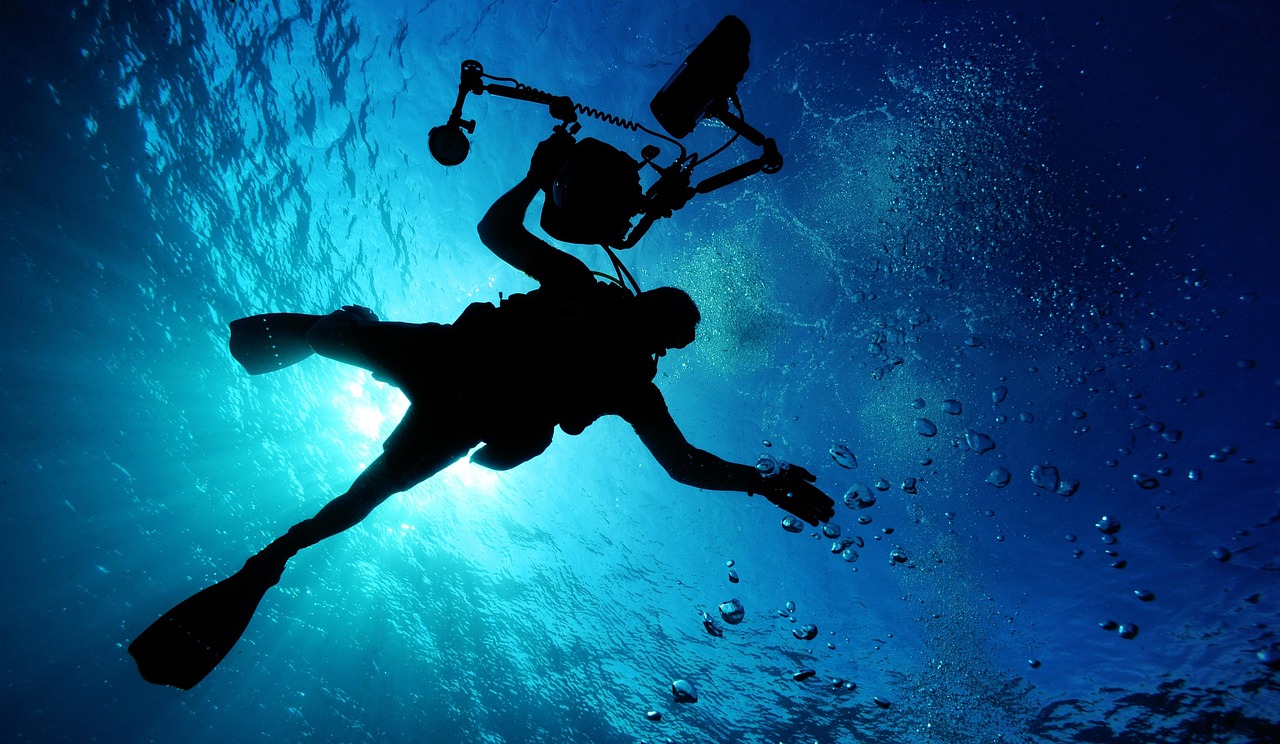
The underwater world beckons with promises of weightless freedom and encounters with marine life that most people only see in documentaries. Whether you're planning your first dive with one of the PADI diving centres in Unawatuna or you're a seasoned diver with hundreds of logged hours, understanding diving medicine isn't just academic knowledge—it's the foundation of safe diving practice that could save your life or someone else's.
Most divers complete their certification courses with a basic understanding of dive tables and equipment checks, but the physiological aspects of diving often remain mysterious. Your body undergoes remarkable changes as you descend below the surface, and knowing what's happening inside can help you recognize problems before they become emergencies.
Understanding Pressure and Your Body
Every ten meters you descend adds roughly one atmosphere of pressure to your body. At the surface, you're experiencing one atmosphere of pressure. At ten meters, it's two atmospheres. At twenty meters, three atmospheres. This might sound like simple math, but the implications ripple through every air-filled space in your body.
Your lungs, sinuses, ears, and even the tiny air pockets in your teeth feel these pressure changes acutely. The most fundamental rule in diving medicine—never hold your breath while ascending—exists because of this pressure differential. As you rise toward the surface, the air in your lungs expands. Hold your breath during ascent, and you risk pulmonary barotrauma, where overexpanded air can rupture delicate lung tissue. The consequences range from pneumothorax (collapsed lung) to arterial gas embolism, where air bubbles enter the bloodstream and potentially travel to the brain.
Ear equalisation becomes second nature to experienced divers, but newcomers often struggle with it. The Eustachian tubes connecting your middle ear to your throat must allow air to pass through to equalize pressure. If you can't equalize, don't force your descent. Pushing through can rupture your eardrum or cause inner ear barotrauma, which might leave you with permanent hearing loss or vertigo. Descend slowly, equalize early and often, and if it's not working, call the dive.
Decompression Sickness: The Bends Explained
When you breathe compressed air at depth, your body tissues absorb nitrogen. The deeper and longer you dive, the more nitrogen dissolves into your blood and tissues. Ascend too quickly, and that nitrogen can't off-gas gradually through your lungs. Instead, it forms bubbles in your tissues and bloodstream—much like opening a carbonated drink too fast.
Decompression sickness (DCS), commonly called "the bends," ranges from mild joint pain to life-threatening neurological symptoms. Symptoms might appear immediately after surfacing or develop over the next 24 hours. Severe cases involve paralysis, unconsciousness, or respiratory failure.
Recreational divers avoid DCS by following no-decompression limits and making safety stops. That three-to-five-minute pause at five meters depth before surfacing isn't optional—it's your body's chance to off-gas excess nitrogen safely. Dive computers calculate this in real-time, but understanding the principle helps you make better decisions if your computer fails or if you're planning multiple dives.
Flying after diving compounds the risk because cabin pressure at altitude further promotes bubble formation. The standard recommendation is to wait at least 18-24 hours after your last dive before boarding a plane. If you're doing multiple days of diving, extend that waiting period.
Nitrogen Narcosis: Rapture of the Deep
Around 30 meters depth, many divers start feeling the effects of nitrogen narcosis. Often described as similar to alcohol intoxication, narcosis impairs judgment, slows reaction time, and creates euphoria that can lead to dangerous decisions. Some divers feel invincible. Others become anxious or confused.
The concerning part about nitrogen narcosis isn't the effect itself—it's that impaired divers often don't recognize their impairment. You might hand off your regulator to a curious fish or decide that your dive plan no longer applies. The only remedy is ascending to shallower depth, where the narcosis effects disappear as quickly as they arrived.
Different divers experience narcosis at different depths. Your susceptibility can vary day to day based on fatigue, stress, cold, or alcohol consumption from the night before. Responsible divers acknowledge this variability and watch their buddies for signs of impairment.
Oxygen Toxicity and Gas Management
Breathing pure oxygen at depth becomes toxic. Recreational divers using regular air (21% oxygen) rarely encounter oxygen toxicity, but those diving with enriched air nitrox need to understand their maximum operating depth for their gas mixture. Oxygen toxicity can trigger seizures underwater—an immediately life-threatening situation.
Carbon dioxide buildup presents another gas-related hazard. Skip-breathing (holding your breath between inhalations to conserve air) seems economical but causes CO2 retention, leading to headaches, confusion, and increased risk of panic. Breathe normally and plan your dive to surface with adequate reserve air.
Carbon monoxide contamination in tanks, though rare with reputable dive operators, causes serious problems. Regular equipment maintenance and filling tanks only at established facilities minimize this risk. When researching Unawatuna diving prices, remember that the cheapest option isn't always the safest—quality dive operations invest in proper compressor maintenance and equipment inspection.
Medical Conditions and Diving
Certain medical conditions require careful evaluation before diving. Asthma, particularly exercise-induced asthma, increases risk of pulmonary barotrauma. Heart conditions might compromise your ability to handle the physical demands of diving or increase risk of cardiac events at depth. Diabetes requires careful blood sugar management to avoid hypoglycaemia underwater.
Pregnancy and diving don't mix. The developing foetus lacks protection from decompression sickness, and animal studies show concerning risks. If you're pregnant or trying to conceive, postpone diving.
Medications deserve consideration too. Decongestants might help with ear equalisation but can wear off at depth, leaving you unable to equalize during ascent. Sedatives or any medication affecting consciousness obviously contraindicate diving. Even over-the-counter medications can interact with the underwater environment in unexpected ways.
Recognizing and Responding to Emergencies
Panic kills divers. When something goes wrong—whether it's a flooded mask, buddy separation, or equipment malfunction—the physiological stress response urges you toward panic. Your heart rate spikes, breathing accelerates, and rational thought becomes difficult. Training and experience build the mental resilience to stop, breathe, think, and act rather than panic.
If your buddy shows signs of distress, approach calmly and maintain eye contact. Establish what's wrong through hand signals. Rescue often means simply being present while they solve the problem themselves, though you should be prepared to share air or assist ascent if needed.
After surfacing, monitor yourself and your buddy for delayed symptoms. Unusual fatigue, joint pain, skin rashes, numbness, or difficulty breathing warrant immediate medical evaluation. When in doubt, contact DAN (Divers Alert Network) or local emergency services. Recompression therapy in a hyperbaric chamber is the definitive treatment for severe DCS, but early recognition improves outcomes dramatically.
Building Your Knowledge Base
Taking a course in dive medicine or rescue diving transforms you from a supervised participant into someone who truly understands the underwater environment. Many divers pursue additional certifications in enriched air nitrox, deep diving, or rescue techniques. Each certification deepens your understanding of the physiological challenges involved.
If you're exploring south coast diving in Sri Lanka, you will find abundant opportunities to develop these skills in beautiful conditions. The warm waters and excellent visibility create an ideal learning environment, though you should still respect the ocean's power and your own limitations.
PADI diving in Unawatuna offers access to numerous dive sites suitable for various skill levels, from shallow reef dives perfect for building experience to more challenging deeper sites for advanced divers. Choosing reputable operators who prioritize safety over volume ensures you're diving with properly maintained equipment and knowledgeable divemasters who can recognize and respond to medical issues.
The Bottom Line
Diving medicine isn't about memorizing abstract concepts—it's about understanding your body's responses to an alien environment. Every dive involves calculated risk management. You assess conditions, check equipment, plan depth and time limits, and monitor yourself and your buddy throughout the dive.
The ocean offers experiences that change how you see the world. Swimming alongside a sea turtle, exploring a coral reef, or discovering a hidden cave creates memories that last a lifetime. But these experiences require respect for the physiological realities of diving. Your certification card isn't a guarantee of safety—it's evidence that you have begun learning how to dive safely.
Continue your education. Ask questions. Practice skills until they become automatic. Recognize that conditions change, and every dive presents unique challenges. The best divers never stop learning because they understand that complacency underwater can have serious consequences.
Stay curious, stay humble, and stay safe. The underwater world will be there tomorrow, and diving within your limits ensures you will be there to explore it.



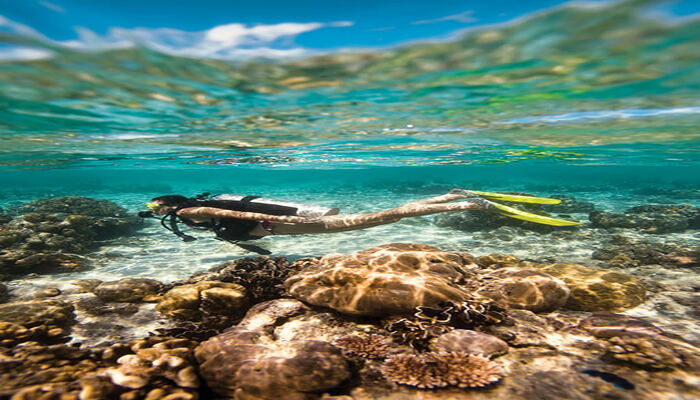
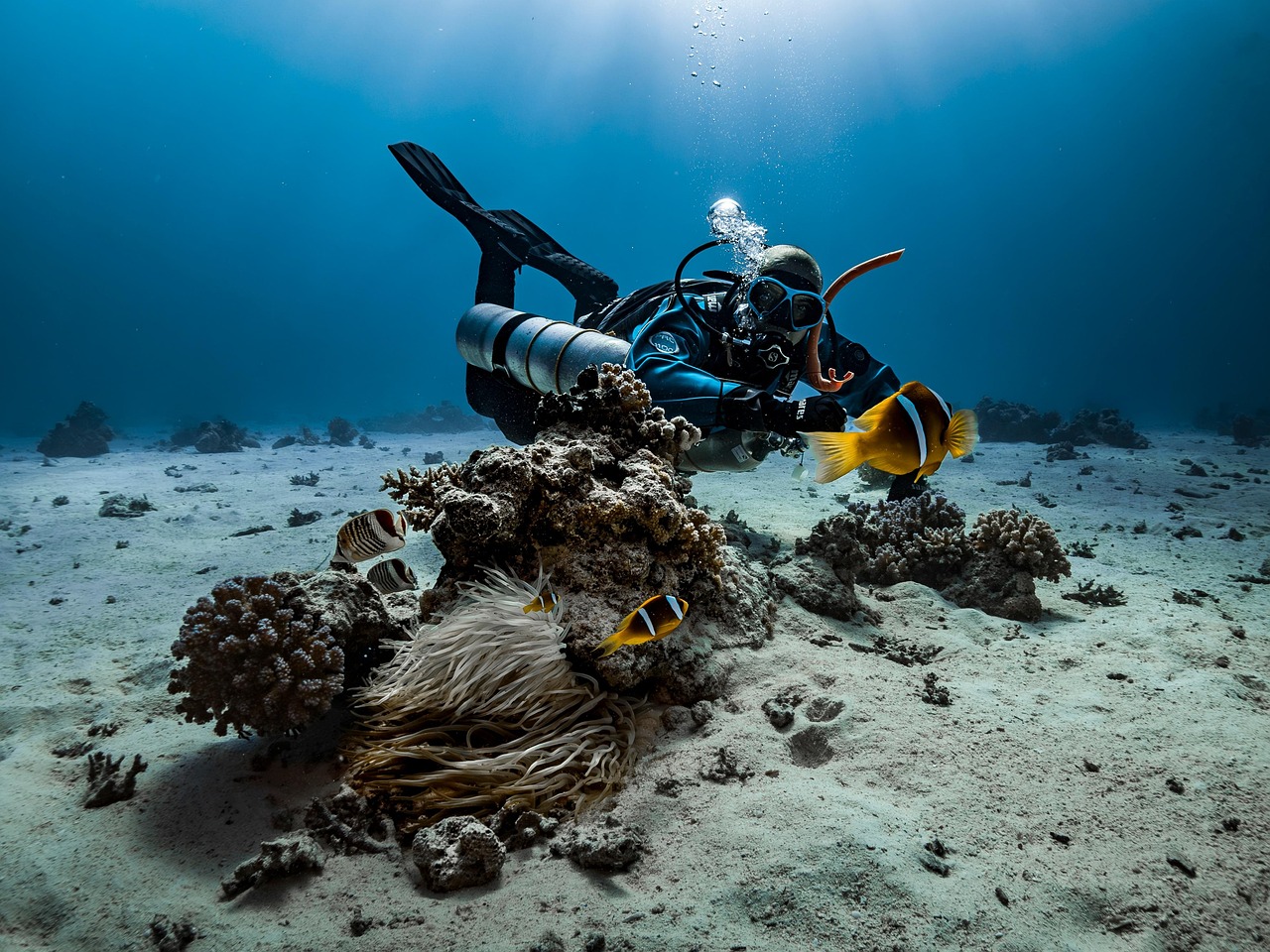

It is not necessary to be fit for diving as this activity itself is a sport which one can easily learn and perform.
The only thing to consider is to have good health free from serious medical problems.
Before joining scuba diving courses in Sri Lanka your medical check-up will be done to ensure you are fit to perform diving.
If any problem is found, then they will ask you to get a full health check-up from a doctor.
But exercising in water is the right way to strengthen your muscles.
Let us look at some health benefits of scuba diving.Increased emotional well-being.