

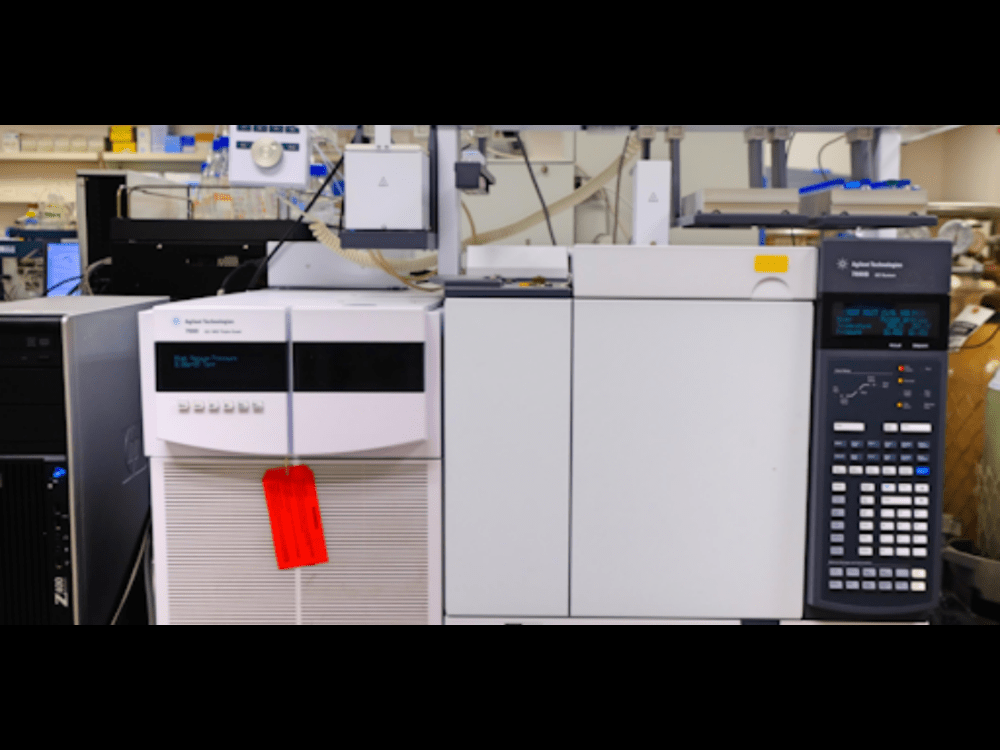
Some chemical questions are simple. Others are not. When contaminants exist at extremely low levels, or when compounds look almost identical, standard analytical tools may not be enough. That is where GC-MS/MS becomes especially valuable.
This blog explains what GC-MS/MS is, how it works in practical terms, and why it is widely used for trace chemical analysis across regulated and research-driven industries.
________________________________________
Why trace chemical analysis is challenging
Trace analysis is about finding very small amounts of chemicals in complex mixtures. These situations raise common concerns:
• Can the method detect chemicals at parts-per-billion levels?
• How do you separate target compounds from background noise?
• Can results be trusted for regulatory or quality decisions?
GC-MS/MS was developed to address these challenges with higher confidence and specificity.
________________________________________
Breaking down the name without the jargon
GC-MS/MS stands for Gas Chromatography–Tandem Mass Spectrometry. Each part of the system plays a distinct role.
Gas Chromatography
Gas Chromatography separates compounds in a sample based on how they interact with a column under controlled temperature conditions. Compounds exit the column at different times, which helps reduce overlap before detection.
Tandem Mass Spectrometry
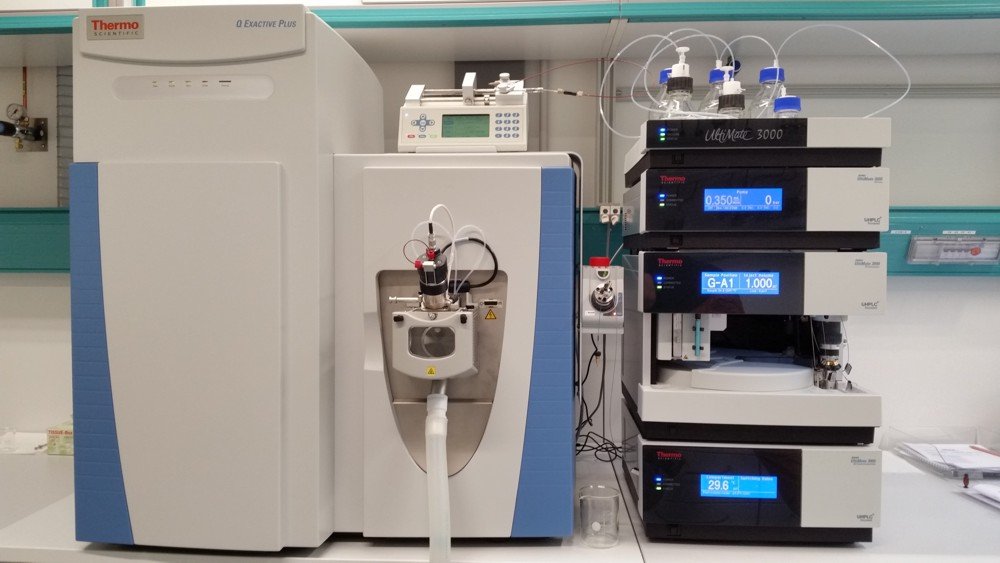
The mass spectrometry portion identifies compounds based on mass-to-charge ratios. In GC-MS/MS testing, this process happens in two stages. The first stage isolates a target compound. The second stage fragments it further for confirmation.
This two-step confirmation is what makes GC-MS/MS especially powerful for trace-level work.
________________________________________
How GC-MS/MS works in real-world terms
Rather than analyzing everything at once, GC-MS/MS narrows its focus.
In simplified terms:
• The gas chromatograph separates compounds
• The first mass analyzer selects a specific compound
• That compound is fragmented
• The second mass analyzer confirms its identity
This layered approach improves selectivity and reduces false positives, which is critical when working with very low concentrations.
________________________________________
A note on standards and US regulatory use
GC-MS/MS is an analytical technique, not a regulation. It is commonly referenced in US environmental, pharmaceutical, food safety, and industrial testing methods. Regulatory agencies often specify performance criteria rather than the instrument itself. When GC-MS/MS testing is used, laboratories must follow validated methods and quality control requirements appropriate to the application.
________________________________________
Why GC-MS/MS is preferred for trace analysis
GC-MS/MS offers several advantages over single-stage techniques:
• Higher sensitivity for low-level compounds
• Improved selectivity in complex matrices
• Greater confidence in compound identification
These strengths make it well suited for applications where decisions depend on small chemical differences.
________________________________________
Common applications of GC-MS/MS testing
GC-MS/MS is widely used in:
• Environmental contaminant analysis
• Residual solvent testing
• Material emissions and off-gassing studies
• Quality control for chemicals and polymers
In each case, the goal is the same: reliable identification and quantification of trace compounds.
________________________________________
Questions people often ask about GC-MS/MS
Is GC-MS/MS the same as GC-MS?
Not exactly. GC-MS uses a single mass analyzer. GC-MS/MS adds a second stage, improving confirmation and reducing interference.
Does GC-MS/MS detect every chemical?
No. It works best for compounds that can be vaporized and separated by gas chromatography. Some substances require different techniques.
Are GC-MS/MS results suitable for reporting and compliance?
Yes, when testing is performed by a qualified laboratory using validated methods and appropriate controls.
________________________________________
How GC-MS/MS fits into broader testing services
GC-MS/MS testing is often one component of a larger analytical program. It may support investigations performed through Material Testing Services, Product Testing Services, or broader Metrology Testing Laboratory Services.
Together, these approaches help organizations understand composition, purity, and potential risks associated with materials and products.
________________________________________
A practical takeaway
GC-MS/MS is designed for situations where accuracy, sensitivity, and confidence matter most. By combining separation with two-stage mass analysis, it provides clarity in chemical questions that simpler methods may struggle to answer.
If you are evaluating GC-MS-MS testing options or need help selecting the right analytical approach for trace compounds, you can get in touch with Infinita Lab to discuss testing support and technical insight.