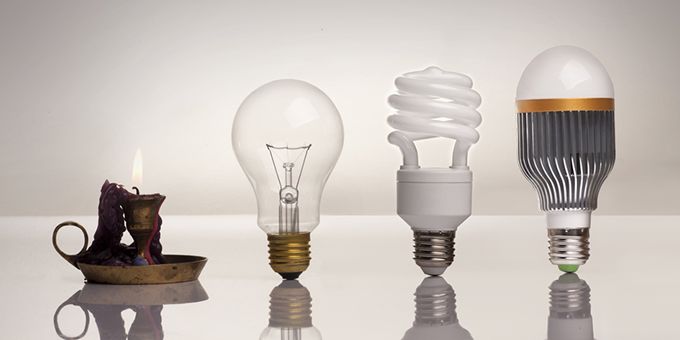
In today’s world, where energy conservation and sustainability are becoming increasingly vital, energy-efficient lighting systems have gained significant attention. From households to large commercial establishments, adopting these systems has transformed how we illuminate spaces while reducing environmental impact. Energy-efficient lighting goes beyond just saving on electricity bills; it encompasses long-term advantages that benefit the environment, enhance safety, and improve overall lighting quality. This article explores the key benefits of installing energy-efficient lighting systems and why they are an essential investment for the future.
Understanding Energy-Efficient Lighting
Energy-efficient lighting refers to lighting technologies that produce the same amount of illumination as traditional lighting while consuming less energy. Unlike conventional incandescent bulbs, which release a large portion of energy as heat, energy-efficient options such as LEDs (Light Emitting Diodes), CFLs (Compact Fluorescent Lamps), and smart lighting solutions use electricity more effectively. These technologies are designed to maximize light output while minimizing energy waste, making them an ideal choice for residential, commercial, and industrial applications.
The efficiency of these lighting systems is measured in lumens per watt, which indicates the amount of light produced per unit of energy consumed. Higher lumens per watt values signify more efficient lighting, allowing users to achieve brighter illumination without higher electricity usage. With rapid advancements in lighting technology, energy-efficient systems now offer diverse color temperatures, improved dimming capabilities, and enhanced durability, making them a versatile and practical solution for modern lighting needs.
Cost Savings and Energy Efficiency
One of the most immediate and tangible benefits of energy-efficient lighting is the reduction in energy consumption, leading to significant cost savings. Traditional incandescent bulbs typically convert only 10–15% of electricity into visible light, while the rest is lost as heat. In contrast, LEDs can convert up to 80% of energy into light, making them far more efficient. Over time, this efficiency translates into lower electricity bills for homes and businesses alike.
In commercial settings, where lighting operates for extended hours, energy-efficient systems can result in substantial cost reductions. For instance, replacing hundreds of incandescent fixtures with LEDs can decrease electricity expenses by thousands of dollars annually. Many energy-efficient lighting systems are also compatible with smart controls, timers, and motion sensors, further optimizing energy use by reducing unnecessary operation. For professional installation and guidance on energy-efficient lighting, companies like Edison Electric, Inc. provide comprehensive solutions to ensure both performance and savings.
Environmental Impact Reduction
Energy-efficient lighting systems are not only economically beneficial but also environmentally responsible. Lower energy consumption directly reduces greenhouse gas emissions from power plants, contributing to a decrease in the overall carbon footprint. Given that lighting accounts for a substantial portion of electricity usage worldwide, switching to efficient systems can make a significant environmental difference.
Moreover, many energy-efficient lighting options, such as LEDs, have longer lifespans, which reduces the frequency of replacements and the amount of waste generated. Unlike traditional bulbs that contain hazardous materials like mercury, modern energy-efficient lights are safer for disposal and often recyclable. By integrating these systems into homes, offices, and public spaces, users actively participate in sustainable practices that support environmental conservation.
Enhanced Lighting Quality
Beyond cost and environmental benefits, energy-efficient lighting systems offer superior lighting quality compared to older technologies. LEDs and advanced fluorescent systems provide consistent brightness without flickering, which can improve visual comfort and reduce eye strain. They are available in a wide range of color temperatures, from warm, cozy hues for living spaces to cool, bright tones suitable for offices and retail environments.
Another notable feature of energy-efficient lighting is its ability to maintain color rendering, which ensures that colors appear more natural under artificial light. This is especially important in settings such as art galleries, showrooms, and medical facilities, where accurate color perception is crucial. High-quality illumination enhances both aesthetics and functionality, creating spaces that are visually appealing and practical.
Longevity and Durability
Traditional lighting solutions often require frequent replacement due to shorter lifespans, resulting in higher maintenance costs. In contrast, energy-efficient lighting systems, particularly LEDs, can last up to 25,000–50,000 hours, far exceeding the lifespan of incandescent and fluorescent bulbs. This durability reduces the hassle of frequent replacements and lowers ongoing maintenance expenses.
Energy-efficient lights are also designed to withstand environmental factors such as temperature fluctuations, vibrations, and humidity. This resilience makes them suitable for both indoor and outdoor applications, including industrial facilities, street lighting, and landscape illumination. The long-term reliability of these systems ensures that spaces remain well-lit without interruptions, providing peace of mind for homeowners and business owners alike.
Compatibility with Smart Technology
The integration of smart technology has further enhanced the appeal of energy-efficient lighting. Many modern systems are compatible with smart controls, allowing users to adjust brightness, set schedules, and even control lighting remotely through mobile applications. Motion sensors and occupancy detectors can automatically activate lights when needed and turn them off when spaces are unoccupied, optimizing energy usage without compromising convenience.
Smart lighting systems can also adapt to user preferences, adjusting color temperature and intensity to match different activities or times of day. This level of customization not only improves comfort and productivity but also contributes to additional energy savings. As technology continues to evolve, the synergy between smart solutions and energy-efficient lighting will increasingly define the future of modern illumination.
Increased Safety and Reduced Heat Emission
Energy-efficient lighting systems generate significantly less heat compared to traditional incandescent bulbs. This reduction in heat emission enhances safety by minimizing the risk of burns or fire hazards in both residential and commercial settings. Cooler lights are particularly advantageous in spaces that operate continuously, such as kitchens, factories, and retail environments, where excess heat could affect comfort and safety.
Additionally, energy-efficient lights provide consistent illumination, which improves visibility and reduces accidents in areas prone to low lighting. Outdoor installations, including streetlights and parking lot lighting, benefit from brighter, more reliable illumination that enhances safety and security. By combining energy savings with practical safety improvements, these systems offer a comprehensive solution for modern lighting needs.
Investment Value and Property Appeal
Installing energy-efficient lighting systems can also increase the value of a property. Homebuyers and commercial tenants are increasingly aware of energy efficiency as a desirable feature, recognizing the long-term cost savings and environmental benefits. Buildings equipped with modern, efficient lighting are often perceived as more attractive, contemporary, and responsible, adding to their market appeal.
For businesses, energy-efficient lighting can enhance brand reputation by showcasing a commitment to sustainability. This environmentally conscious approach resonates with customers, employees, and investors, reflecting positively on the organization. Over time, the combination of reduced operating costs, improved lighting quality, and sustainable practices makes energy-efficient lighting a smart investment for both property owners and occupants.
Conclusion
Energy-efficient lighting systems offer a multitude of advantages that extend beyond simple electricity savings. From environmental conservation and enhanced safety to superior lighting quality and long-term durability, these systems provide practical, sustainable, and economically viable solutions for modern spaces. By transitioning to energy-efficient lighting, homeowners and businesses alike can enjoy improved functionality, reduced operating costs, and a positive environmental impact.
The future of illumination is increasingly defined by efficiency, innovation, and sustainability. Whether for residential, commercial, or industrial applications, adopting energy-efficient lighting represents a forward-thinking approach that meets contemporary needs while preparing for the demands of tomorrow. Embracing these systems is not just a choice—it is a commitment to better energy management, enhanced comfort, and long-term value.



The lighting system of a motor vehicle consists of lighting and signalling devices mounted or integrated to the front, rear, sides, and in some cases the top of a motor vehicle.
This lights the roadway for the driver and increases the visibility of the vehicle, allowing other drivers and pedestrians to see a vehicle’s presence, position, size, direction of travel, and the driver’s intentions regarding direction and speed of travel.
Emergency vehicles usually carry distinctive lighting equipment to warn drivers and indicate priority of movement in traffic.On the basis of application, the global automotive interior ambient lighting systems market can be segmented into center console and dashboard, doors, roof, floor and others.
Among them, the door segement is estimated to observe a steady CAGR at 4.3% between 2017 and 2025.Download FREE Sample of this Report @ https://www.grandresearchstore.com/report-sample/global-automotive-interior-ambient-lighting-systems-2019-634The global Automotive Interior Ambient Lighting Systems market is valued at 1830 million US$ in 2018 is expected to reach 2710 million US$ by the end of 2025, growing at a CAGR of 5.0% during 2019–2025.This report focuses on Automotive Interior Ambient Lighting Systems volume and value at global level, regional level and company level.
From a global perspective, this report represents overall Automotive Interior Ambient Lighting Systems market size by analyzing historical data and future prospect.
Regionally, this report focuses on several key regions: North America, Europe, China and Japan.At company level, this report focuses on the production capacity, ex-factory price, revenue and market share for each manufacturer covered in this report.The following manufacturers are covered:HELLA KGaA HueckOSRAM LichtKoninklijke PhilipsPacific Insight ElectronicsLSI IndustriesEverlight ElectronicsToshiba CorporationDRAXLMAIER GroupOshino Lamps LimitedInnotec GroupGrupo AntolinFederal-Mogul HoldingsDOMINANT Opto TechnologiesZKW GroupAGM AutomotiveSegment by RegionsNorth AmericaEuropeChinaJapanSegment by TypeLEDOthersSegment by ApplicationCentre Console & DashboardDoorsRoofFloorOthersGet the Complete Report & TOC @ https://www.grandresearchstore.com/automotive-and-transportation/global-automotive-interior-ambient-lighting-systems-2019-634Table of contentExecutive Summary1 Automotive Interior Ambient Lighting Systems Market Overview1.1 Product Overview and Scope of Automotive Interior Ambient Lighting Systems1.2 Automotive Interior Ambient Lighting Systems Segment by Type1.2.1 Global Automotive Interior Ambient Lighting Systems Production Growth Rate Comparison by Type (2014–2025)1.2.2 LED1.2.3 Others1.3 Automotive Interior Ambient Lighting Systems Segment by Application1.3.1 Automotive Interior Ambient Lighting Systems Consumption Comparison by Application (2014–2025)1.3.2 Centre Console & Dashboard1.3.3 Doors1.3.4 Roof1.3.5 Floor1.3.6 Others1.4 Global Automotive Interior Ambient Lighting Systems Market by Region1.4.1 Global Automotive Interior Ambient Lighting Systems Market Size Region1.4.2 North America Status and Prospect (2014–2025)1.4.3 Europe Status and Prospect (2014–2025)1.4.4 China Status and Prospect (2014–2025)1.4.5 Japan Status and Prospect (2014–2025)1.5 Global Automotive Interior Ambient Lighting Systems Market Size1.5.1 Global Automotive Interior Ambient Lighting Systems Revenue (2014–2025)1.5.2 Global Automotive Interior Ambient Lighting Systems Production (2014–2025)CONTACT US:276 5th Avenue, New York , NY 10001,United StatesInternational: (+1) 646 781 7170 / +91 8087042414Email: help@grandresearchstore.comFollow Us On linkedin :- https://www.linkedin.com/company/grand-research-store/
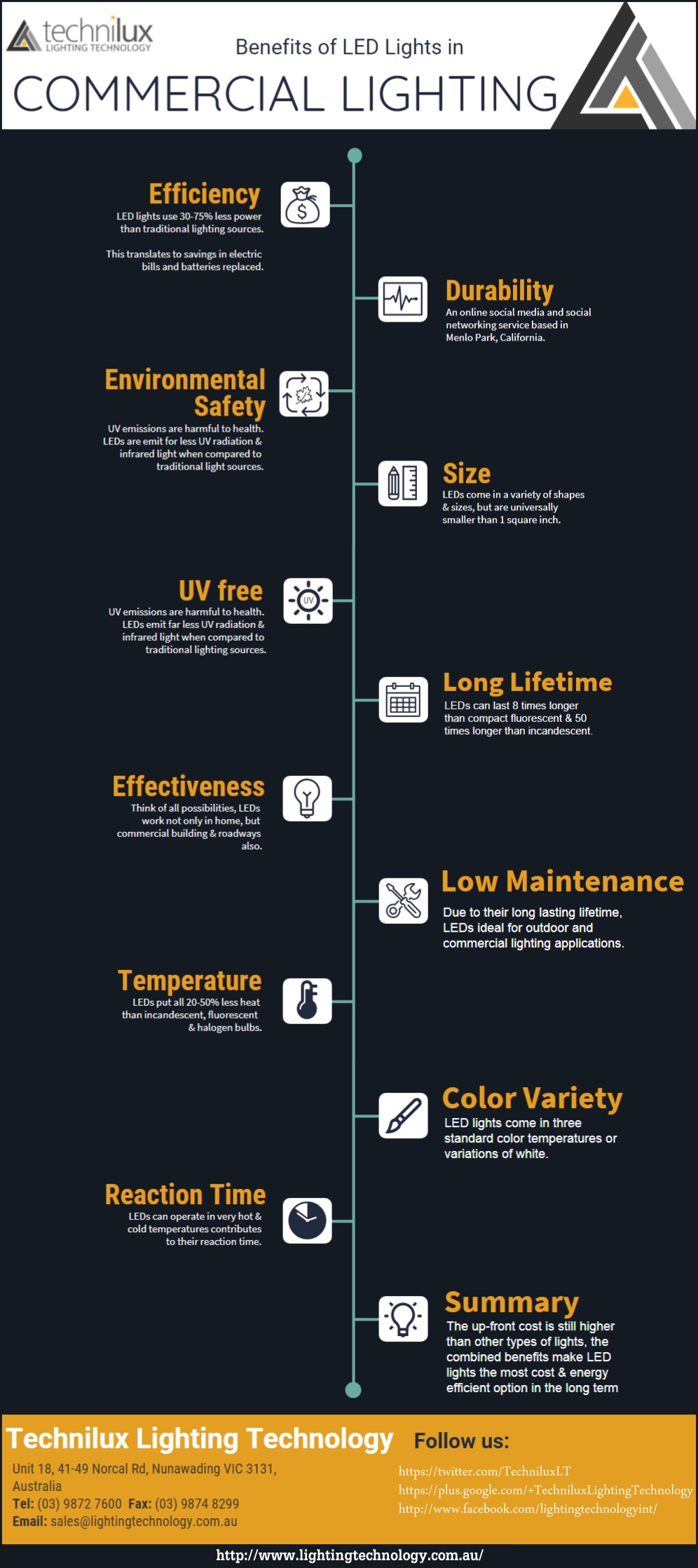
From offices to retail stores, lighting systems for commercial environments require important consideration https://bit.ly/2o6548r