

As a proprieter, dealing with empty properties is never pleasant. So you may be wondering, "How can I increase attendance without too much downtime?" The answer lies in incorporating engaging interactive features that captivate both children and adults alike. However, undertaking this without adequate planning may result in unnecessary downtime. Splash pads have become one of the most high-yield assets that can boost bookings and keep guests returning just to experience the magic in your property one more time.
A commercial splash pad is more than a water feature; it is a magnet for foot traffic, a social connector, and a long-term value booster for resorts, hotels, mixed-use developments, and public parks. When planned well and built with reliable equipment, it becomes the place where people naturally gather and stay longer. This is why developers begin their journey by exploring water toy features and envisioning how each element will bring the space to life. Here's what you can expect, from concept to opening.
The Vision Stage
Every splash pad installation starts with simple questions: Who will use this space? What kind of experience do you want people to have? How do you prefer the area to feel? The design process always begins with understanding what people are craving. Families look for places where kids feel free to explore, town centers need interactive spaces that increase dwell time, and resorts benefit most from safe, low-maintenance recreation that appeals to every age group. During this stage, your project truly starts to take shape.
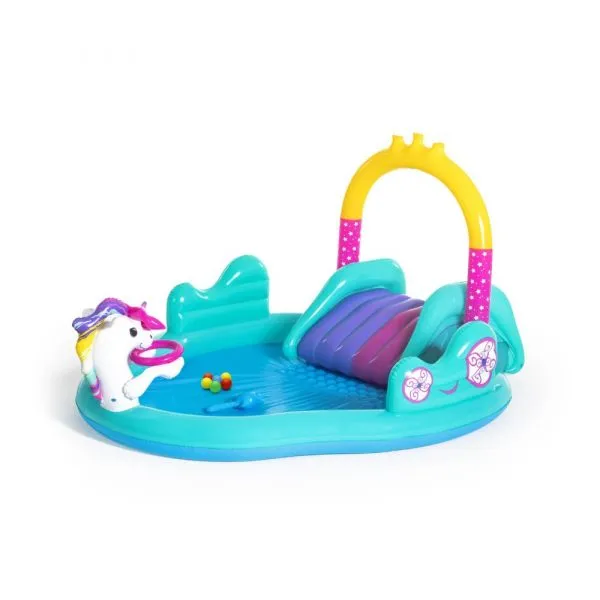
Explore a wide range of equipment options, from lively sprays and aquadeks to dumping buckets, bubbling jets, and themed play structures. Each piece from a top manufacturer is built with corrosion-resistant materials chosen for their long life, strong colours, and ability to handle impact. The ideas you picture on paper are backed by products designed to look good and perform well for years, with the right service provider. By testing different layouts and feature sets, you begin to see exactly how your splash pad can elevate the entire property and create a space people crave visiting.
Engineering and Technical Planning
A splash pad requires smart engineering beneath the surface. Although each project is unique, the steps usually include:
• Water management selection: Determine whether a recirculation system or a fresh water flow-through system works best for your property.
• Mechanical design integration: Hire suppliers that offer equipment designed to pair with the necessary pumps, filtration units, and controls, ensuring smooth and reliable operation.
• Safety and access planning: Focus on non-slip surfacing, grading for water drainage, and regulation-compliant design in the engineering stage. Ensuring these now makes the splash pad feel safe and natural to navigate.
• Electrical coordination: Hiring experienced installers ensures control panels, activation bollards, and smart-play triggers are designed to fit seamlessly with the chosen mechanical system.
Conclusion
Building a splash pad is not just another line item in a development plan; it is an investment in reshaping how people interact with your property. Every stage, from the first sketch to the first splash of water, moves the project closer to becoming a landmark that families talk about and return to.
This is why working with a seasoned, trustworthy service provider matters. High-quality, corrosion-resistant equipment, well-engineered water toy features, and a proven build process ensure your splash pad performs beautifully from day one and continues to draw visitors for years. With the right partner guiding the build, the splash pad you envision today becomes the destination families choose tomorrow, and the feature that sets your development apart.