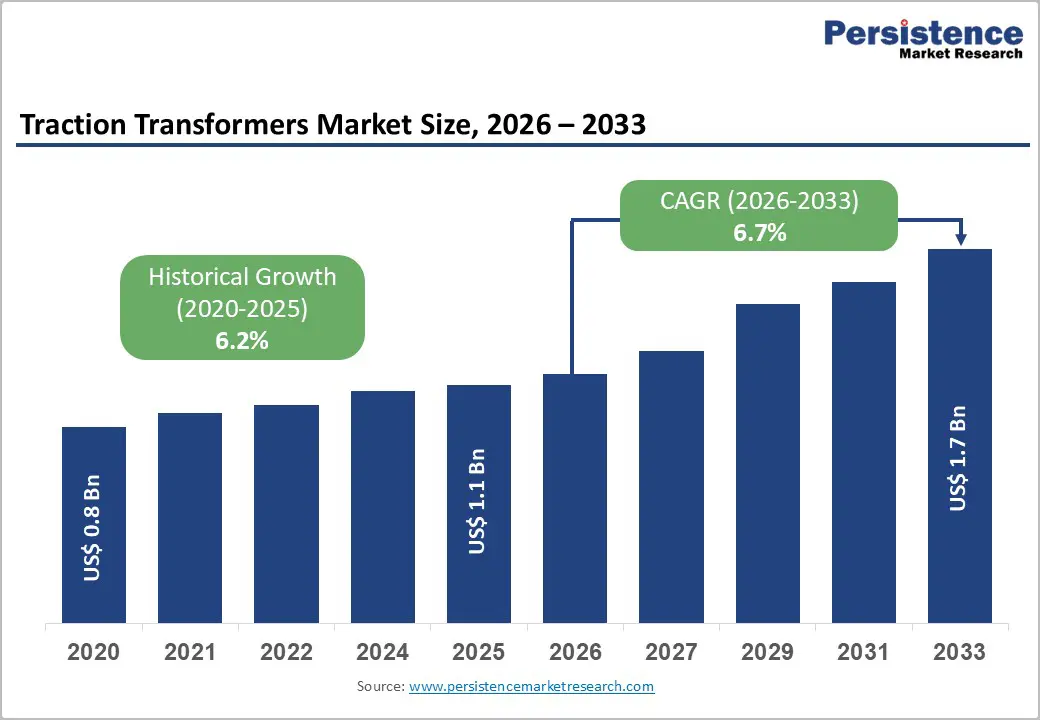
The traction transformers market is emerging as a crucial segment within the global railway electrification ecosystem. Valued at an estimated US$ 1.1 billion in 2026, the market is projected to expand to US$ 1.7 billion by 2033, reflecting a CAGR of 6.7% during the forecast period. This growth is being propelled by a combination of government investments in rail infrastructure, global sustainability initiatives, and technological innovations that enhance the efficiency and reliability of traction transformer systems.
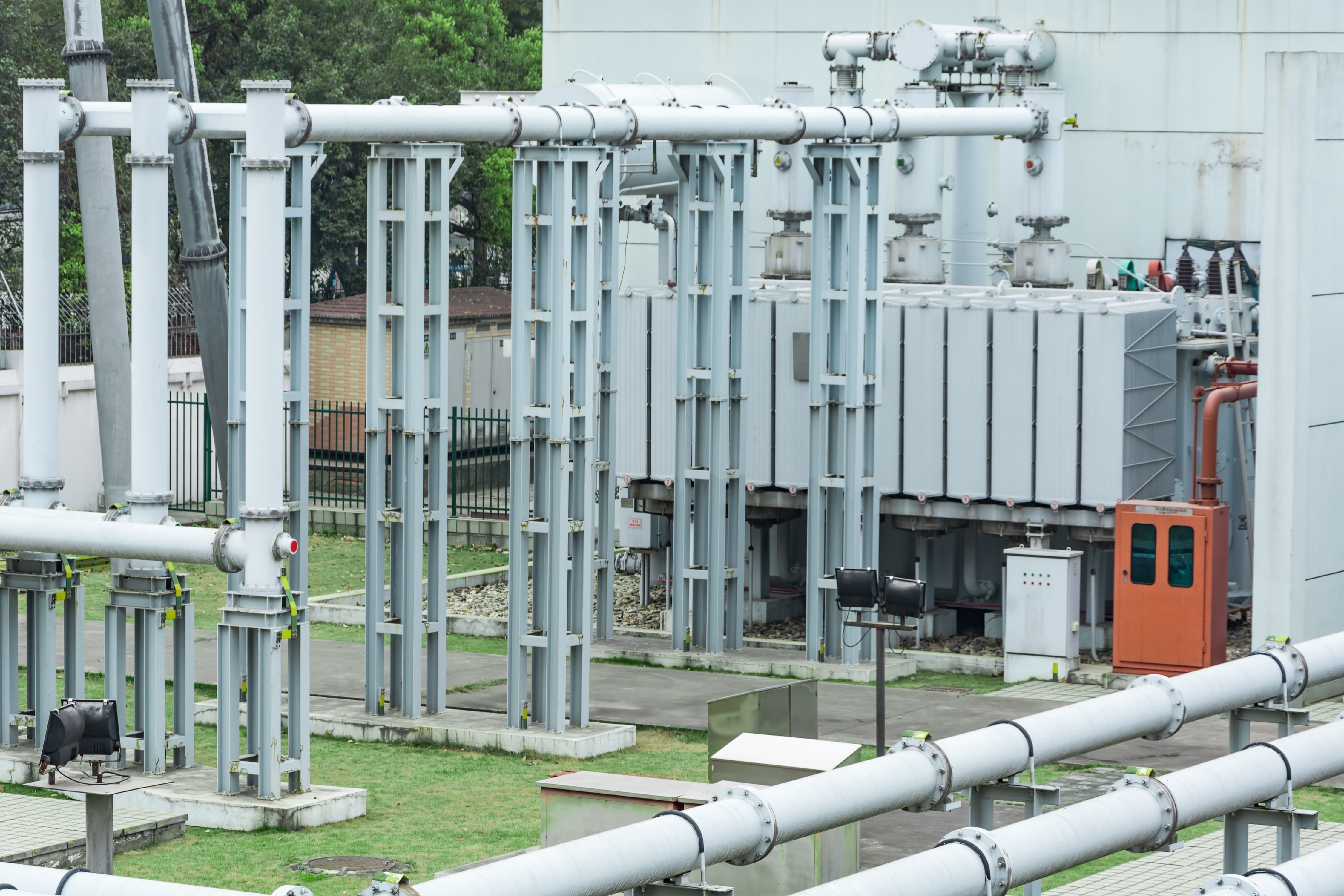
Traction transformers are specialized electrical devices that convert high-voltage power from overhead lines or third rails into usable lower voltages for electric locomotives, multiple units, and metro trains. They are pivotal in enabling the smooth and energy-efficient operation of electrified rail systems, which are increasingly being adopted worldwide in response to rising environmental concerns and the need for more cost-efficient transportation.
Key Growth Drivers in the Traction Transformers Market
The expansion of the traction transformers market is primarily driven by three key factors:
- Global Push for Rail Electrification
Governments across both developed and developing economies are accelerating investments in rail electrification as part of broader sustainability goals. Electrified rail systems not only reduce greenhouse gas emissions compared to diesel-based operations but also improve operational efficiency and lower long-term costs.
For instance, India has achieved 94% railway electrification as of early 2024 and continues to expand toward 100%. In Europe, the European Green Deal aims for carbon neutrality by 2050, which includes a significant emphasis on electrifying rail networks. Similarly, in North America, the Infrastructure Investment and Jobs Act allocates US$ 66 billion for rail improvements, covering high-speed corridors, freight electrification projects, and urban transit systems.
- Shift Toward Sustainable Transportation
Climate change imperatives and the global transition to green energy sources are fueling the demand for electrified rail. Electric locomotives are not only environmentally friendly but also more energy-efficient than diesel engines. Globally, electrified trains offer approximately 30% higher energy efficiency and lower lifetime operating costs, making them an increasingly attractive option for governments and private rail operators.
This trend is particularly pronounced in Asia-Pacific, where rapid urbanization and the expansion of metro and high-speed rail networks are creating unprecedented demand for advanced traction transformer systems.
- Technological Advancements
Modern traction transformers are becoming smaller, smarter, and more energy-efficient. Innovations such as machine-room-mounted transformers and IoT-enabled predictive maintenance solutions are transforming the market. Machine-room-mounted transformers are designed for high reliability and easier maintenance, making them ideal for long-distance and high-speed rail operations. These transformers are expected to witness a CAGR of 7.5% through 2032, highlighting their growing importance in premium rail segments.
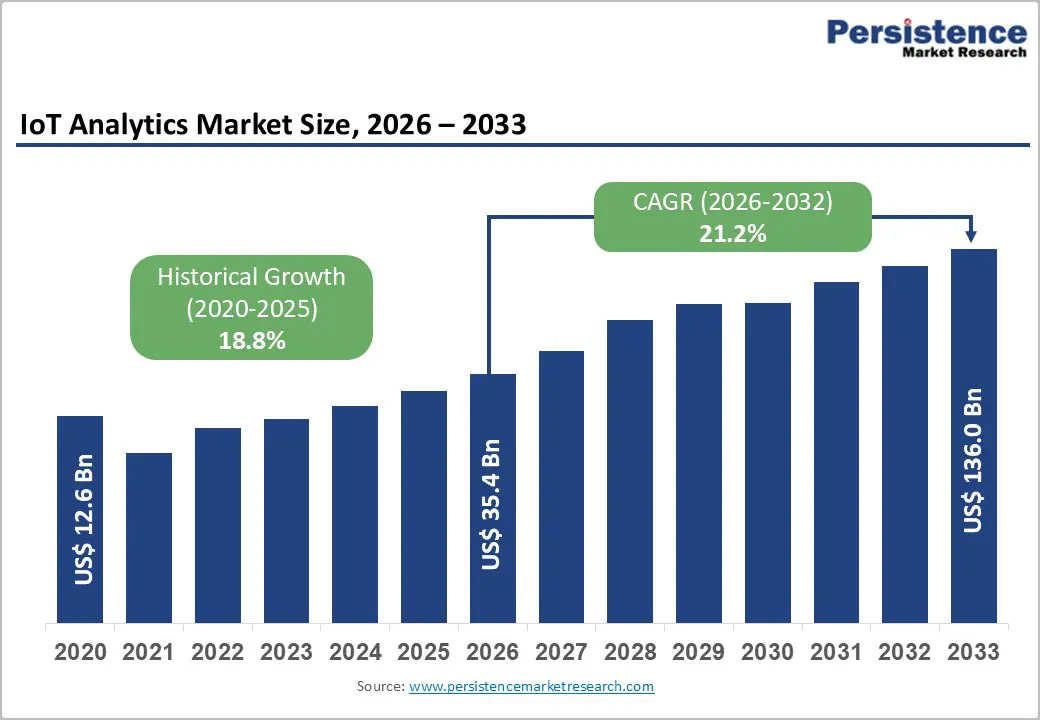
IoT-enabled predictive maintenance is another major opportunity for market growth. Advanced sensors and analytics enable over 93% fault-detection accuracy, reducing maintenance costs by approximately 30% while generating US$ 150–200 million annually in software and service revenues by 2033. This integration of digital technology is also enhancing safety, operational uptime, and lifecycle management for traction transformers.
Market Segmentation Analysis
The traction transformers market is diverse, with multiple segments driven by type, installation method, and application. Understanding these segments provides insight into where growth opportunities are concentrated.
By Application
The electric locomotive segment dominates the market, accounting for roughly 58% share in 2025. Electric locomotives are increasingly preferred over diesel counterparts due to their energy efficiency, environmental benefits, and superior performance in both freight and passenger operations. In addition to conventional locomotives, light rail vehicles, metro trains, and high-speed trains are also contributing to market growth.
By Installation Type
The market sees two main types of installation: roof-mounted and machine-room-mounted transformers. While roof-mounted transformers are commonly used in older or conventional train models, machine-room-mounted transformers are witnessing faster growth due to their enhanced reliability, simplified maintenance, and compatibility with modern high-speed rail systems. The growing adoption of premium rail services and long-distance train operations is further boosting this segment.
Regional Insights
Asia-Pacific: Market Leader
Asia-Pacific dominates the traction transformers market with a 40% share, driven primarily by China and India. China’s 40,000+ km high-speed rail network and India's ongoing electrification initiatives provide a strong foundation for growth. Additionally, rapid metro expansion in urban areas across India, Southeast Asia, and other APAC nations is driving significant demand for both standard and advanced traction transformer solutions.
North America: Fastest-Growing Region
Although Asia-Pacific currently leads the market, North America is the fastest-growing region, propelled by substantial government funding and strategic electrification projects. Federal and state-led initiatives, such as California’s 500-mile high-speed rail corridor, are catalyzing investments in modern traction transformers. Moreover, early adoption of freight electrification projects in the U.S. and Canada is expected to further boost regional market growth.
Europe: Sustainable Rail Expansion
Europe’s growth is closely tied to the Green Deal and commitments to achieving carbon neutrality by 2050. Electrification of existing rail networks, expansion of high-speed rail, and urban transit modernization are all driving traction transformer adoption across key markets such as Germany, France, Italy, and Spain.
Emerging Opportunities
The traction transformers market is poised for expansion not only in volume but also in terms of technological sophistication. Key opportunities include:
IoT and Predictive Maintenance
As rail operators increasingly adopt digital technologies, IoT-enabled predictive maintenance is becoming a game-changer. By continuously monitoring transformer health and detecting anomalies in real time, predictive maintenance systems help reduce downtime, prevent catastrophic failures, and optimize operational efficiency. This technology is expected to generate significant software and service revenues of US$ 150–200 million by 2033, highlighting its potential as a growth driver.
High-Efficiency Transformers
Advances in core materials, insulation systems, and cooling techniques are enabling the production of compact, high-efficiency traction transformers. These transformers not only improve energy conversion rates but also reduce weight and footprint, making them ideal for high-speed rail applications where space and weight constraints are critical.
Electrification of Freight Systems
Freight rail electrification presents a largely untapped opportunity in regions like North America, where diesel locomotives still dominate. Electrifying freight corridors not only reduces emissions but also enhances operational efficiency and lowers maintenance costs. Traction transformers will play a central role in enabling this transition, offering long-term value for freight operators.
Challenges in the Market
Despite the strong growth trajectory, the traction transformers market faces several challenges:
- High Initial Investment Costs: Electrification of rail systems and installation of advanced traction transformers require significant capital expenditure, which can be a barrier for developing economies.
- Complex Integration with Existing Infrastructure: Retrofitting traction transformers in legacy rail networks can be technically challenging, requiring sophisticated engineering solutions and project management.
- Supply Chain Constraints: The availability of high-quality materials and components, especially specialized cores, windings, and insulation systems, can impact production timelines and costs.
- Technological Adaptation: While IoT and predictive maintenance offer enormous potential, rail operators need to invest in training, cybersecurity, and integration with existing IT and operational systems.
Key Market Players
Several global and regional players are shaping the traction transformers market through innovation, strategic partnerships, and capacity expansion. Notable companies include:
- ABB Ltd.
- Siemens AG
- General Electric (GE)
- Schneider Electric
- Mitsubishi Electric Corporation
- Toshiba Infrastructure Systems & Solutions Corporation
- Hyundai Rotem Co., Ltd.
- CRRC Corporation Limited
These companies are investing in R&D to enhance transformer efficiency, reduce weight and volume, and integrate smart diagnostic systems. Strategic collaborations between transformer manufacturers and rail operators are also accelerating adoption of next-generation traction systems.
Market Outlook (2026–2033)
The traction transformers market is expected to maintain a robust growth rate of 6.7% CAGR through 2033, reaching US$ 1.7 billion. The combination of government funding, environmental policies, and rapid urbanization will continue to drive demand for electrified rail systems and advanced traction transformers. Key trends likely to define the market include:
- Digitalization of Rail Infrastructure: Increasing deployment of IoT, AI, and predictive analytics for transformer monitoring and maintenance.
- Shift Toward Compact and High-Efficiency Systems: Emphasis on space-optimized designs for high-speed and metro rail applications.
- Electrification of Freight Corridors: Expanding beyond passenger transport to freight operations, especially in North America and Europe.
- Integration with Renewable Energy Sources: Traction transformers designed to handle variable renewable energy inputs from solar and wind grids.
- Emergence of Smart Cities: Electrified urban transit networks driving metro and light rail transformer demand.
Conclusion
The traction transformers market is on a trajectory of sustained growth, driven by electrification initiatives, sustainability goals, and technological innovations. Asia-Pacific currently leads the market, but North America is emerging as the fastest-growing region, and Europe remains a key market due to carbon neutrality commitments.
Technological advancements, particularly machine-room-mounted transformers and IoT-enabled predictive maintenance, are creating new value streams, improving operational reliability, and reducing costs. Meanwhile, electrification of freight systems and adoption of high-efficiency designs present untapped opportunities for market expansion.
As rail networks modernize worldwide, traction transformers will continue to be a cornerstone of energy-efficient, sustainable, and high-performance rail transportation. Stakeholders—from manufacturers and operators to investors and policymakers—stand to benefit from the ongoing transformation, making the traction transformers market one of the most promising sectors in the global railway industry through 2033.
Related Reports: