




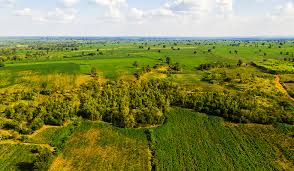
Land reclamation in Alberta has become an essential part of restoring ecosystems affected by industrial, agricultural, and urban development. Its various terrains — such as prairie grasslands, wetlands, and forested regions- have faced significant environmental pressure from oil sands development, mining, and industrial farming. Reclamation of land in Alberta is concerned with returning these disturbed areas to a state that is environmentally stable and biologically productive, and that allows sustainable future use.
One of the primary purposes of land reclamation process in Alberta is to combat soil degradation and contamination. Industrial processes may result in soils that are disturbed, nutrient-depleted, or contaminated with harmful chemicals. Reclamation may include shaping the land to cure erosion, planting native vegetation, and adding organic soil amendments to improve soil quality. This ensures the long-term health of our ecosystems while preventing further degradation, promoting biodiversity, stabilizing landscapes, protecting water quality, and preserving cultural and natural assets.
The cooperation of government departments, environmentalists, and private firms is critical to the success of land reclamation in Alberta. Standards for reclamation plans, monitoring, and reporting are established under various regulations such as the Alberta Environmental Protection and Enhancement Act. These principles provide accountability, incentivize the adoption of best practices, and encourage land rehabilitation that addresses both environmental and social goals. Through this collaborative approach, degraded lands could be restored to support agricultural productivity, wildlife habitats, and recreation.
Land reclamation in Alberta has also evolved with technology. Using remote sensing, soil evaluations, and environmental modeling, professionals can assess the quality of degraded land and plan successful reclamation. Furthermore, a variety of approaches are being used to restore soil contaminated with hydrocarbons or heavy metals, such as phytoremediation, in which certain plants have been used effectively to uptake and accumulate pollutants. These developments advance the reclamation process toward greater resourcefulness and the sustained longevity of restored landscapes.
In addition to environmental benefits, land reclamation in Alberta also offers social and economic benefits. Restored lands can also be used to grow crops, raise timber, or serve as community parks, benefiting local economies and jobs. Restored areas also enhance the quality of life in communities near them by reducing health risks, improving aesthetics, and increasing access to natural resources.
In sum, land reclamation in Alberta is necessary to reconcile industrial expansion and environmental stewardship. Through improvements in soil health, the promotion of vegetation growth, and compliance with laws, reclamation works enabled the former land to regain its environmental functionality in an economically viable way. With sustained dedication and innovation, land reclamation in Alberta will continue to protect ecosystems, benefit communities as a whole, and advance sustainability province-wide.
Mike Gibbs is the author of this article. For more details about Oilfield environmental waste hauling in BC, please visit our website: whiterocktrucking.ca

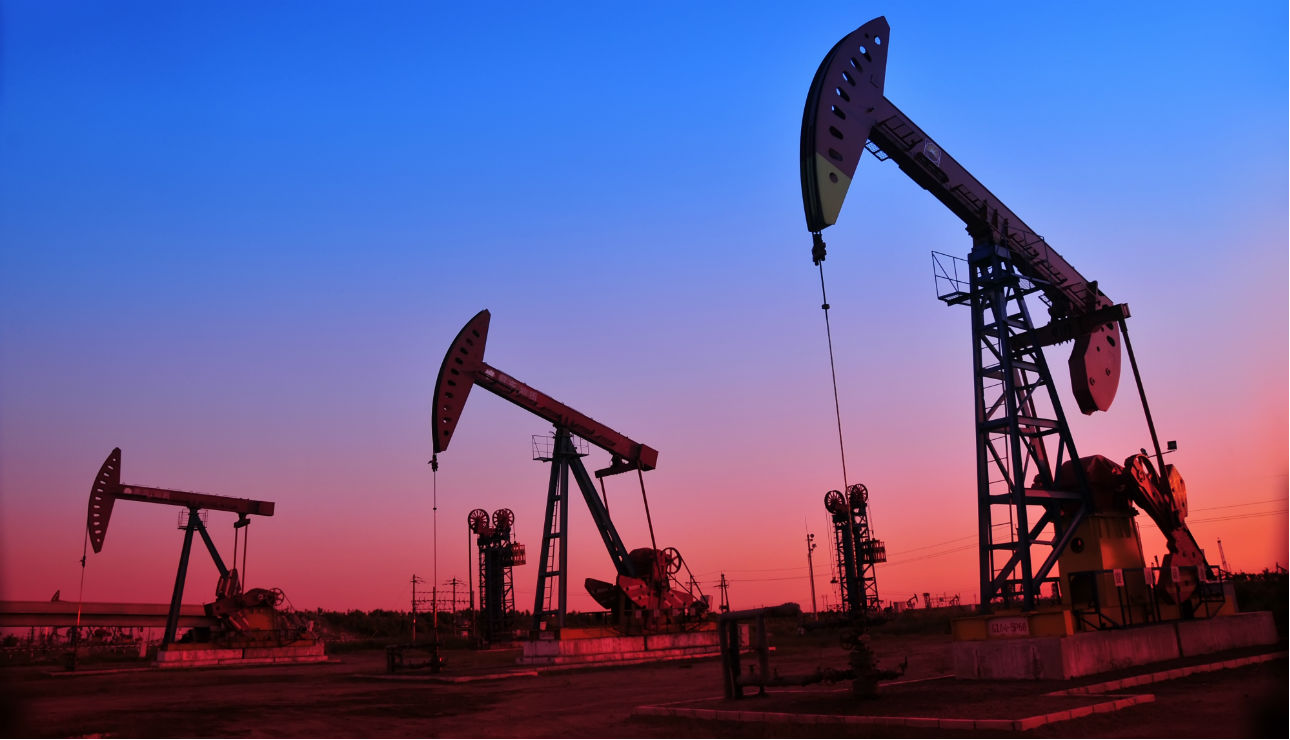
The oil and gas industries play a very huge role in the development of any country.
These industries need different services for their operations.
Let’s have a look at the various services in detail.Types of ServicesPower Washing Oilfield equipment cleaning is also an important part of the oil field power washing solutions.
The removal of excess grease, sludge, oil, and many other substances requires expert supervision.
It can also include frac tank cleaning, waste removal, and total environmental or land reclamation.Hydrovac Truck ServicesIn this service, a highly pressurized industrial-strength vacuum is used to excavate and the soil in a safer and precise manner.
This process offers a reliable evacuation as compared to regular mechanical digging.
Oil Reclamation will help you control expenses and lower consumption.
Subsequent Generation Services’s on-site fluid or oil reclamation program, enables used oil to become recycled to its original state, decreasing the volume of waste oil created annually and lowering new oil consumption by as a great deal as 50 %.
Our on-site fluid reclamation program works for hydraulic oils, turbine oils, gear oils, paper machine oils, quench oils, metalworking fluids and certain synthetic oils.
Our technical engineers happen to be educated and certified to perform the fluid reclamation process to assist our shoppers save money and decrease the overall quantity of waste oil.
Get additional information about Industrial fluid reclamation Upkeep may be the largest single controllable expense within a manufacturing plant, and with as numerous as 80 percent of all machine failures related to contamination inside the oil, our pro-active support by means of oil reprocessing can help decrease this cost significantly each year.
Subsequent Generation Services will hold you in the forefront of lubrication technology by maintaining you up-to-date with the most technically advanced practices readily available.

The Most Popular Amsterdam Travel defense on Reclamations in the Golden Age
Amsterdam Reclamations and Rembrandt in Golden Age here are our picks of the best irregular occasions, imaginative encounters developing patterns new openings and insider tips that will set the city land.
A gathering of his most notorious works is as of now on show at the fantastic Rijksmuseum, yet without precedent for history, the historical center will show its total accumulation of Rembrandts in a solitary display.
Purchase tickets online to abstain from the line at the ticket office.
Go somewhat more profound on a mobile visit
There are interminable strolling visits accessible in the Dutch capital, yet just a number help voyagers better associated with the city's kin and their accounts.