





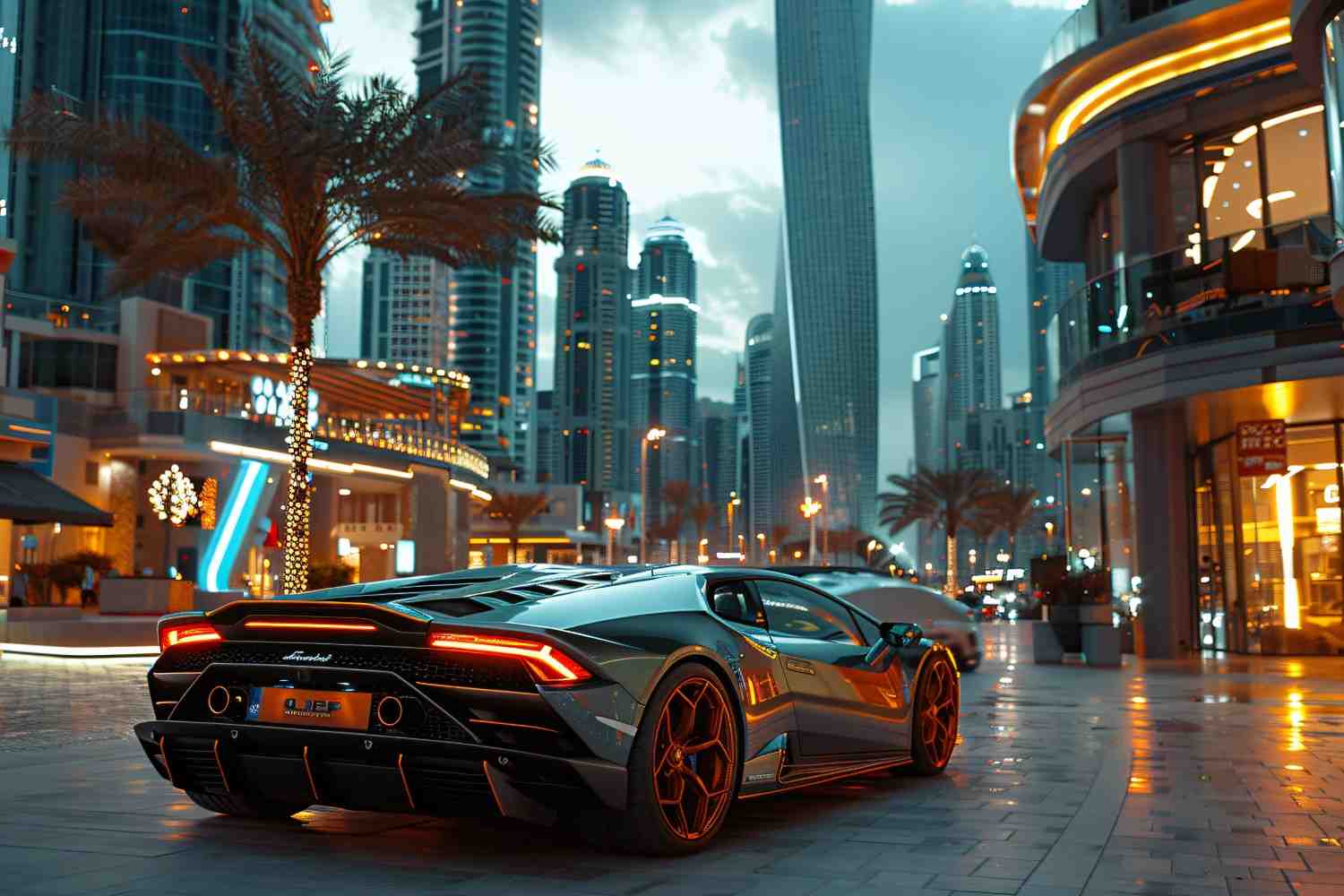
NEW DELHI — On Tuesday, as the Indian stock markets opened to a sea of red for auto giants like Mahindra and Maruti Suzuki, the global financial community was left asking: How did they see this coming? While mainstream outlets scrambled to report the Reuters leak about India slashing car tariffs from 110% to 40%, readers of Storify News were already ahead of the curve. Our investigative series, published throughout January 2026, pinpointed the exact mechanics of the "Mother of All Deals" weeks before the official India-EU Summit in New Delhi.
Here is the inside story of the "40% Secret" and how our data-driven journalism predicted the biggest disruption in the Indian luxury car market in 30 years.
The "Breadcrumb" Strategy: How We Connected the Dots
The prediction wasn't a lucky guess. It was the result of cross-referencing three critical geopolitical "red flags" that mainstream media ignored:
The "Trump Tariff" Pressure Valve: In late 2025, when the U.S. imposed a 50% tariff on Indian textiles, Storify News identified a "desperation gap." We predicted New Delhi would have to "sacrifice" its protected auto sector to gain zero-duty access for textiles in the EU.
The 15,000 Euro Threshold: Our sources in Brussels tipped us off to a specific "floor price" for duty cuts. We correctly identified that the 40% rate would only apply to cars with a landed value above €15,000 (approx. ₹16.3 Lakh), a move designed to protect Maruti and Tata while letting BMW and Mercedes-Benz through the gates.
The EV "Exclusion" Shield: While others predicted a total market opening, Storify News stood firm that Electric Vehicles (EVs) would be excluded from the deal for five years to protect "Make in India" champions. This has now been confirmed as the official policy.
The Math of the Drop: Why "40%" is the Magic Number
The difference between a 110% tariff and a 40% tariff isn't just a 70% discount; it is a total reset of the luxury ecosystem.
As we predicted, the price drop on a BMW M4 Competition or a Porsche 911 isn't just the duty reduction—it's the compounding effect on GST. When the import duty falls, the base price used to calculate GST and compensation cess also shrinks.
The Result: A car that cost ₹1.5 Crore yesterday could land at ₹1.08 Crore today—a massive ₹42 Lakh saving.

The "Fortuner-Killer" Effect
Our most controversial headline—"Will a BMW now cost less than a Fortuner?"—is now a mathematical reality for high-end enthusiasts. By lowering the entry barrier for performance European models to the ₹40–50 Lakh range, the India-EU FTA has created a direct overlap with India's premium SUV segment.
The Road Ahead
The "Mother of All Deals" is only the beginning. With the duty set to slide to 10% by 2030, the Indian automotive landscape will never be the same.
At Storify News, we don't just report the news; we decode the variables that create it. As the market adjusts to this new subzero trade climate, our team is already tracking the next big move: The shifting of European parts manufacturing to Indian soil.
Disclaimer: The price reductions mentioned are indicative based on the 2026 India-EU FTA framework. Final on-road prices are subject to state taxes, insurance, and manufacturer-specific pricing strategies.




Theviraltoday is a leading online news sharing portal.
We are providing News coverage on following topics National news, World news, Business news, Entertainment news, Cricket news, other Sports news, Political news, Technology news, Automobile news, Lifestyle updates and off beat Topic getting viral over Internet.

Prabhat Khabar publishes the latest and breaking news in Hindi regarding business, politics, lifestyle, sport, and entertainment news from across India.
And stay here to connect with us for more information regarding local news, city news, town news, state news, and all over India and the world on www.prabhatkhabar.com.