

Repairs usually feel like the responsible choice. Replace one board. Repaint one section. Seal a joint and move on. Many homeowners reach out to a siding contractor in Beaverton, OR only after noticing the same fixes returning again and again. That repetition is often the first sign that repairs are no longer solving the real problem.
One clue is pattern. If damage keeps showing up in different places but looks similar each time — soft edges, darkened seams, swelling near trim—the issue is likely structural, not cosmetic. Water may be entering behind the surface and traveling before it becomes visible. At that point, replacing individual pieces only hides the symptoms while the wall continues to age unevenly.
Another signal is how repairs behave over time. When fresh paint fails early, caulk cracks within a season, or replaced boards never seem to match the rest of the wall, the system underneath is no longer working as a whole. Siding is designed to function together. Once too many sections are compromised, the remaining pieces carry stress they weren’t meant to handle.
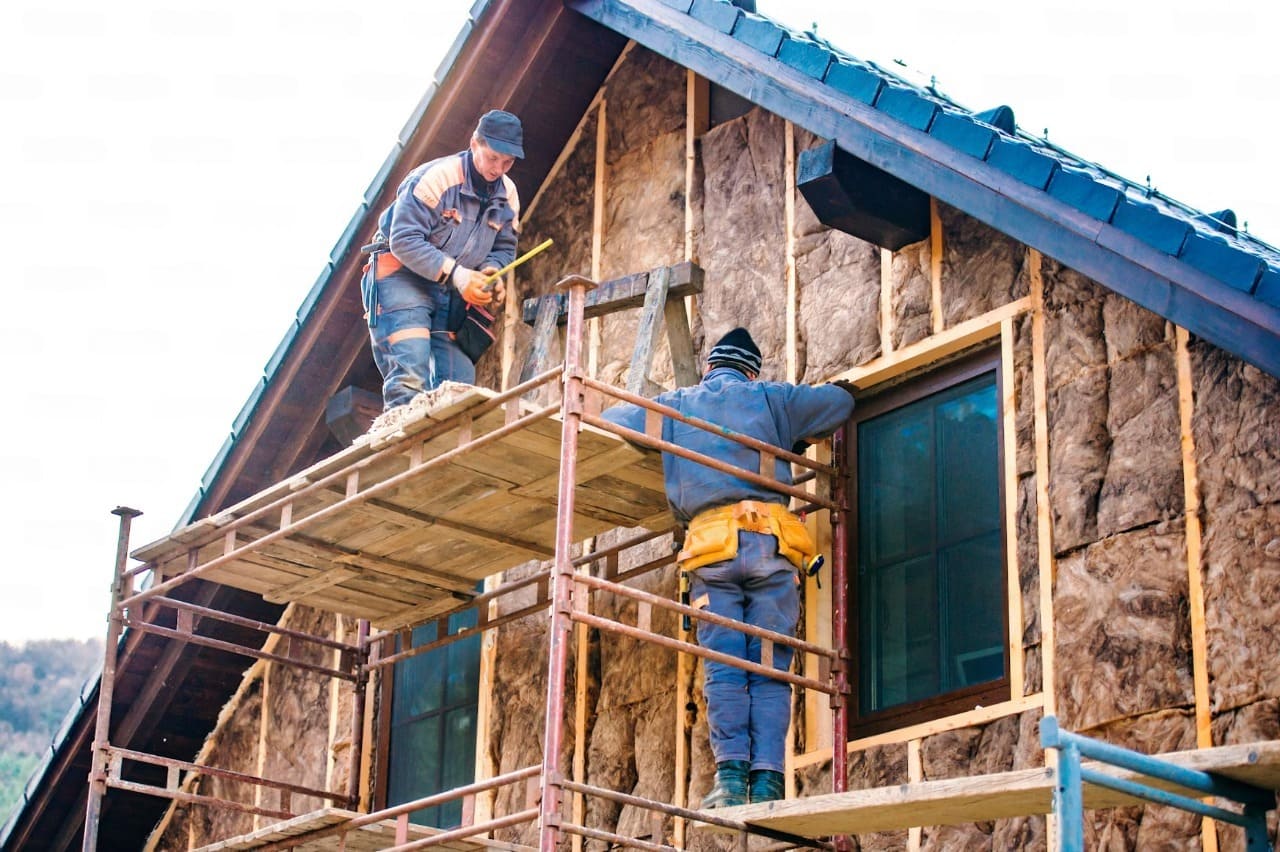
There’s also a practical threshold. Multiple repairs across different elevations often cost more than planned replacement, without restoring consistency. When flashing, overlaps, and terminations can’t be corrected without removing large sections, patching becomes guesswork. That’s usually when experienced contractors for siding recommend stepping back and rebuilding the assembly properly.
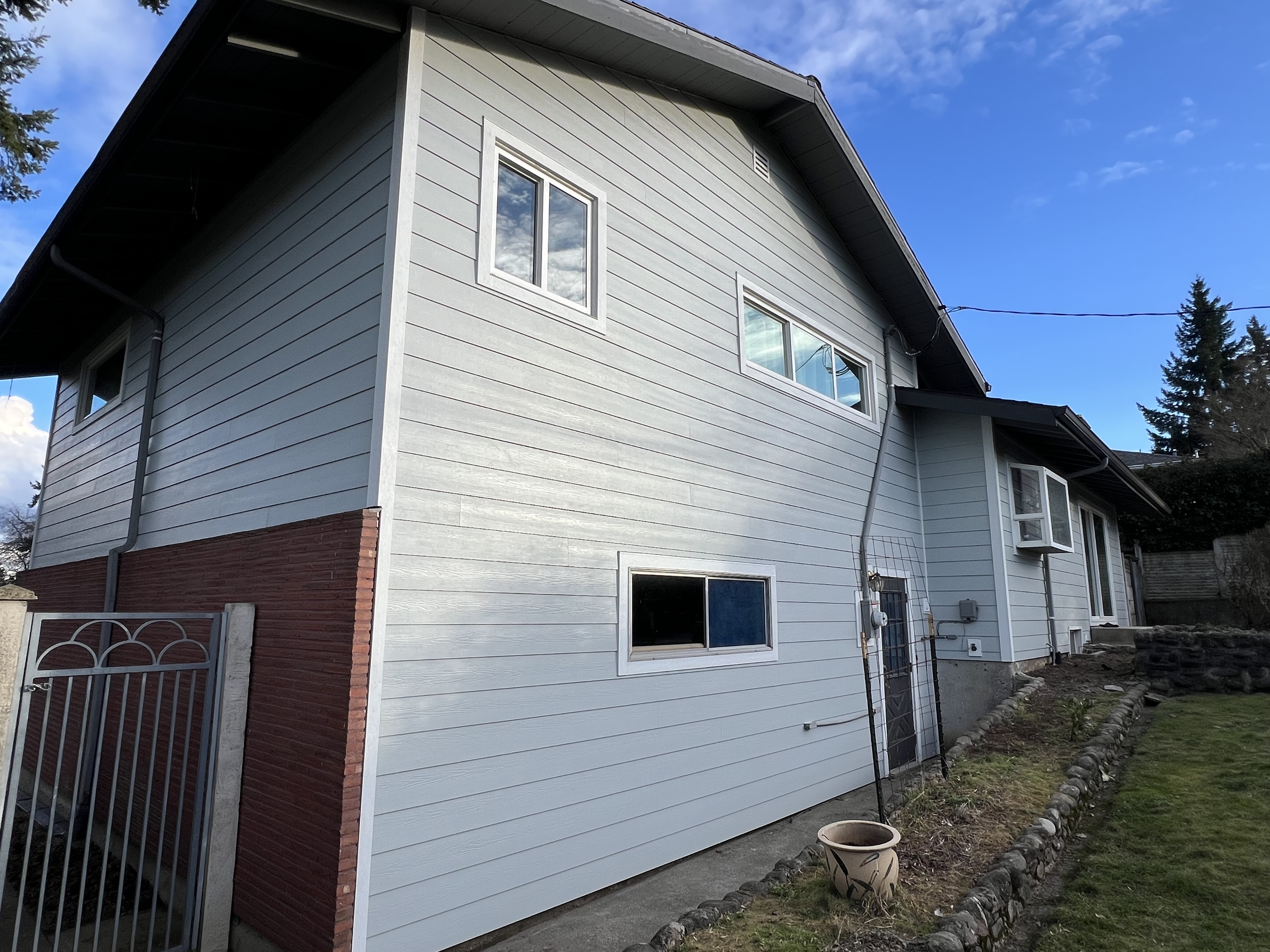
New siding isn’t about starting over — it’s about resetting the structure so moisture, movement, and aging are predictable again. When repairs stop holding, replacement brings clarity back to the exterior. The house stops asking for attention every season, and maintenance becomes routine instead of reactive.