





India’s healthcare system is evolving rapidly to meet the needs of a growing population, rising disease burden, and increasing expectations for quality medical services. In this changing landscape, prefab hospital infrastructure has emerged as a powerful alternative to conventional construction. It offers speed, affordability, and adaptability—three qualities that are essential for building modern healthcare facilities. This guide explores how prefabricated hospitals are transforming medical infrastructure across India.
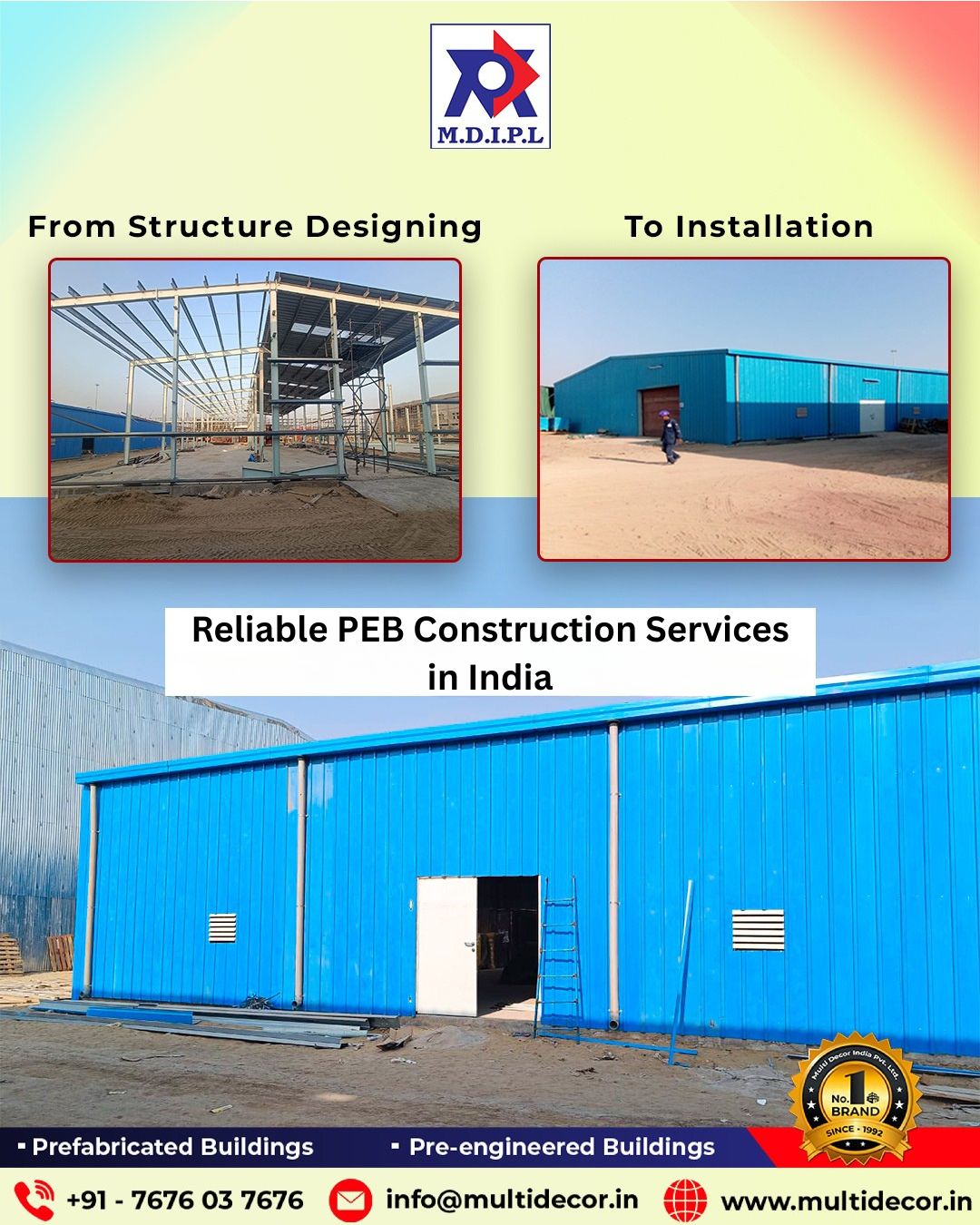
Prefab hospital infrastructure is based on off-site manufacturing. Instead of building everything at the project location, major structural elements such as walls, floors, roofs, and service systems are produced in specialized factories. These components are created using advanced engineering methods and strict quality checks. Once completed, they are transported to the site and assembled quickly. This industrialized approach brings precision and consistency that traditional construction often struggles to achieve.
One of the most significant advantages of prefab hospitals is project predictability. In conventional construction, timelines and budgets frequently change due to labor shortages, weather conditions, and material price fluctuations. Prefabricated construction follows a planned production cycle with fixed schedules and controlled costs. Healthcare developers can estimate expenses and completion dates more accurately, which helps in better financial and operational planning.
Design plays a crucial role in prefab hospital infrastructure. Modern modular facilities are not limited to basic layouts. They are carefully planned to support medical workflows, patient comfort, and regulatory compliance. Spaces are optimized for emergency care, diagnostics, surgery, and recovery. Advanced ventilation, infection control systems, and acoustic insulation are integrated from the beginning. This ensures that prefab hospitals meet both functional and safety requirements.
Scalability is another defining feature of prefabricated healthcare infrastructure. Medical demands in India vary widely between urban centers, small towns, and rural regions. Modular hospitals can be adapted to each environment. A compact clinic can later expand into a district hospital, and a temporary facility can become a permanent center. New modules can be added without disrupting daily operations, making growth smooth and economical.
Operational efficiency is also enhanced through prefab construction. Since electrical systems, plumbing, medical gas pipelines, and IT networks are pre-installed within modules, installation errors are minimized. This reduces maintenance issues and improves long-term performance. Hospitals built using prefabricated methods often experience fewer structural and technical problems, leading to lower repair costs over time.
Environmental responsibility is becoming increasingly important in healthcare development. Prefab hospital infrastructure supports sustainable construction practices by reducing material waste, limiting site disturbance, and promoting energy efficiency. Many projects include solar energy systems, water recycling units, and high-performance insulation. These features lower environmental impact while reducing utility expenses.
The role of manufacturers is central to successful prefab hospital projects. Reputed companies in India offer integrated services, including feasibility studies, architectural planning, engineering design, manufacturing, logistics, and installation. This single-window approach simplifies coordination and ensures quality control throughout the project lifecycle. Partnering with an experienced manufacturer reduces risks and improves overall project outcomes.
Prefab hospital infrastructure also strengthens healthcare accessibility. Rapid construction enables faster establishment of facilities in underserved regions. Remote villages, industrial zones, and disaster-prone areas can receive medical support much sooner than through traditional building methods. This contributes to balanced regional development and improved public health outcomes.
In summary, prefab hospital infrastructure in India represents a shift toward more organized, efficient, and future-ready healthcare development. Through controlled manufacturing, intelligent design, scalability, and sustainability, prefabricated hospitals address many limitations of conventional construction. As medical needs continue to grow, prefab infrastructure will remain a vital tool in building resilient and inclusive healthcare systems across the country.


Whey plant protein powder have been the go-to since the weight training blast of the 80s, and cunning advertising has convinced the two competitors and the more extensive populace that plant protein powder is vital (or if nothing else a convenient alternate route) to ideal wellbeing and execution.

Fiverr.com has exploded as the head wellspring of miniature redistributed administrations on the Internet.
It is progressively incredibly elusive individuals who have not known about how to make money on Fiver.
So, both on the web and disconnected, an ever-increasing number of organizations utilize the administrations offered on Fiverr.How to Make Money On FiverThere are Fiverr positions for pretty much every sort of ability as we have talked.
Indeed, there are more than 200 different employment groups on the site.
Here are not many of the ideal paths to bring in cash on Fiverr.Read Also: How to Make Money On Fiver