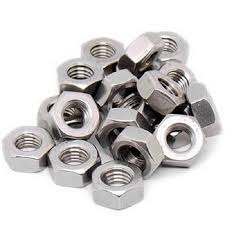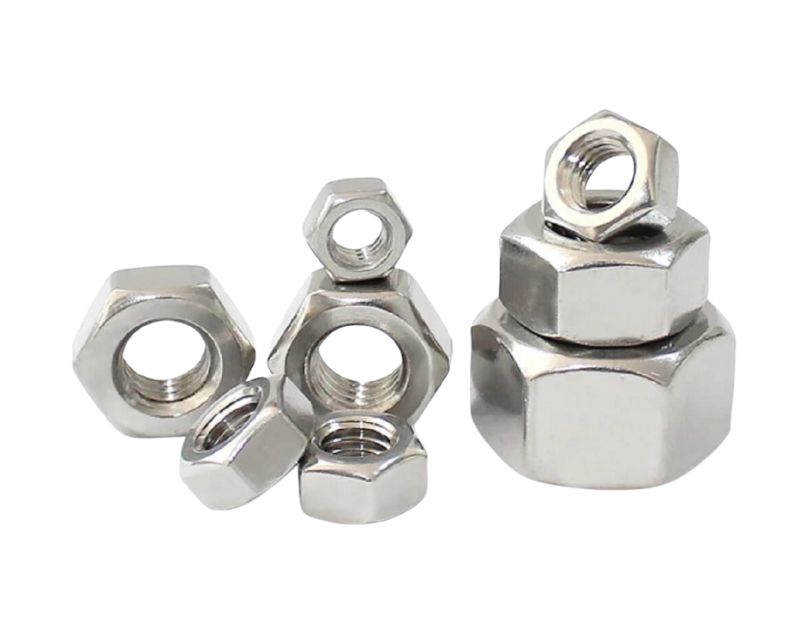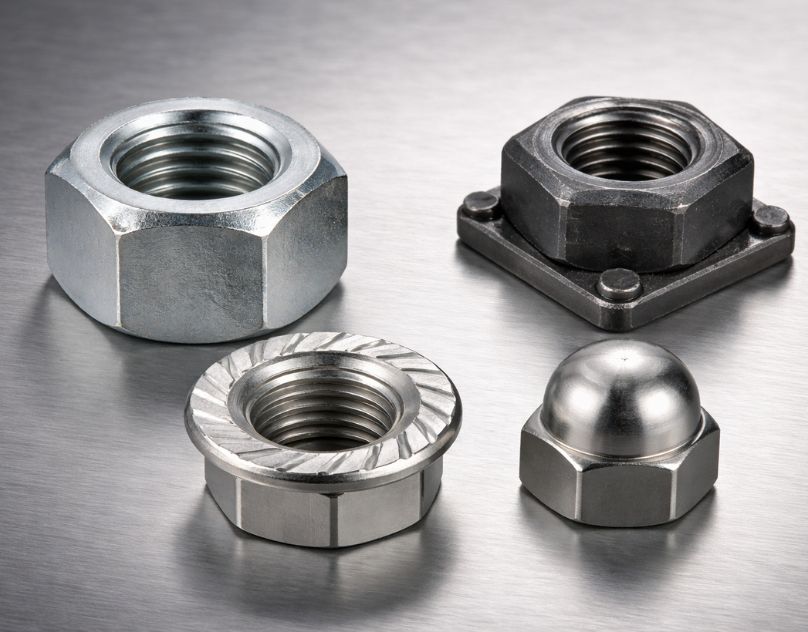
At Pipex.ai, we know that industrial buyers must focus not only on price but also on performance, safety, and long-term reliability when selecting fasteners. Hex nuts may appear simple, but choosing the wrong type can result in joint failure, vibration loosening, corrosion damage, or costly maintenance. This guide is designed to help buyers understand how to select the right hex nut based on application, load, and operating conditions, while explaining the most commonly used types in industrial projects.
Why Hex Nut Selection Matters in Industrial Applications
In industrial environments, fasteners are exposed to heavy loads, vibration, temperature changes, and corrosive conditions. The nut must maintain clamping force over time to prevent parts from separating. Poor selection can lead to:
Structural instability
Equipment downtime
Increased maintenance costs
Safety risks to workers
From a buyer’s perspective, correct nut selection directly impacts project durability and operational efficiency.
Key Factors Buyers Should Evaluate Before Purchasing Hex Nuts
Before choosing a specific type, buyers should analyze the technical requirements of their application.
Load and Stress Conditions
Applications involving structural loads or pressure systems require nuts that can withstand high tensile and shear forces. For lighter assemblies, standard strength may be sufficient. Overloading a nut beyond its rated capacity leads to thread deformation and loss of clamping force.
Environmental Exposure
Moisture, chemicals, salt, and temperature variations can rapidly degrade unprotected fasteners. Buyers should consider stainless steel or coated carbon steel options when corrosion resistance is critical.
Vibration and Movement
Machinery and transport equipment generate continuous vibration. In such cases, nut designs that distribute load and resist loosening are more suitable.
Installation Method and Accessibility
If the backside of a component is inaccessible or if welding is part of the fabrication process, specialized nut types may be required for efficient assembly.
Heavy Hex Nuts: Best for Structural and High-Load Applications
Heavy hex nuts are larger and thicker than standard hex nuts, providing greater surface contact and higher load capacity.
When Buyers Should Choose Heavy Hex Nuts
Structural steel connections
Bridges and large frameworks
Pressure vessels and pipelines
Heavy machinery installations
Buyer Benefits
Higher strength and durability
Better thread engagement with high-strength bolts
Reduced risk of stripping under load
For projects where joint failure is not an option, heavy hex nuts are the preferred choice for long-term structural integrity.
Hex Flange Nuts: Ideal for Vibration-Prone Assemblies
Hex flange nuts include an integrated washer-like base that spreads pressure over a larger area, improving grip and reducing surface damage.
Suitable Buyer Applications
Automotive and transport equipment
Sheet metal assemblies
Electrical cabinets and enclosures
Light to medium machinery
Why Buyers Prefer Flange Nuts
No need for separate washers
Faster installation and lower assembly cost
Improved resistance to loosening
Better load distribution on softer materials
For buyers managing high-volume production, flange nuts simplify inventory while improving fastening reliability.
Hex Cap Nuts: For Safety, Protection, and Clean Finish
Hex cap nuts, also called dome or acorn nuts, feature a closed end that covers the exposed bolt thread.
Buyer Use Cases
Outdoor installations
Furniture and consumer equipment
Guard rails and handrails
Decorative metal structures
Buyer Advantages
Protects threads from corrosion
Prevents injury from sharp bolt ends
Improves appearance of final assembly
Extends bolt service life
When both safety and aesthetics matter, cap nuts provide functional and visual benefits.
Hex Weld Nuts: Permanent Threaded Solutions for Fabrication
Hex weld nuts are welded directly onto metal surfaces, creating strong internal threads where access for standard nuts is limited.
Ideal Buyer Applications
Automotive body panels
Heavy equipment frames
Metal cabinets and housings
Industrial machinery enclosures
Why Buyers Choose Weld Nuts
No backside access required
Permanent, secure thread location
Faster final assembly process
High resistance to loosening
For manufacturers focused on efficiency and precision, weld nuts are essential in modern fabrication workflows.
Material Selection: Strength vs. Corrosion Resistance
Choosing the right nut type is only effective if the material suits the environment.
Carbon Steel
High strength
Cost-effective
Requires protective coating for corrosion resistance
Stainless Steel
Excellent corrosion resistance
Suitable for chemical and marine environments
Slightly lower strength than alloy steel but sufficient for many applications
Alloy Steel
Very high tensile strength
Suitable for heavy-duty mechanical assemblies
Usually coated for corrosion protection
Buyers should balance mechanical requirements with environmental exposure to achieve optimal performance and service life.
Importance of Compatibility with Bolts and Washers
A common buyer mistake is selecting strong nuts but pairing them with lower-grade bolts. This creates an unbalanced joint where the weaker component fails first.
Buyers should ensure:
Matching thread size and pitch
Nut strength equal to or higher than bolt grade
Compatible surface coatings
Proper washer usage when required
Correct pairing ensures even load distribution and prevents premature joint failure.
Quality Standards and Supplier Reliability
From a procurement standpoint, consistency and certification are critical.
Buyers should look for:
Compliance with ASTM, ISO, or DIN standards
Mechanical testing reports
Dimensional accuracy
Traceable material sourcing
Reliable suppliers reduce the risk of batch inconsistency and project delays, which is especially important for bulk and export orders.
Making Cost-Effective Decisions Without Compromising Safety
While budget constraints are real, industrial buyers must consider the full lifecycle cost of fasteners.
Low-quality nuts can result in:
Frequent replacements
Downtime and repair costs
Safety hazards and legal liabilities
Selecting the correct nut type and material from the start reduces long-term expenses and improves operational reliability.
Conclusion: Application-Based Selection Leads to Better Performance
There is no single hex nut suitable for every industrial application. Buyers must evaluate load requirements, environmental exposure, assembly methods, and long-term durability before making a purchase decision.
Heavy hex nuts are best for structural and high-load applications.
Hex flange nuts offer better vibration resistance and faster installation.
Hex cap nuts improve safety and protect exposed threads.
Hex weld nuts provide permanent threaded solutions for fabrication processes.
By selecting hex nuts based on actual application needs rather than only cost or availability, buyers can achieve safer assemblies, longer service life, and better overall project performance.