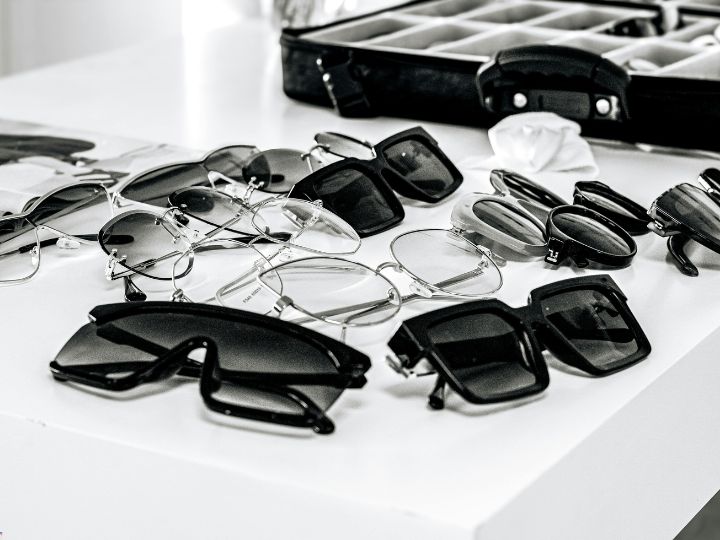
When people buy sunglasses, they often think about style, comfort, or price. What many don’t realize is that behind every reliable pair is a framework of certifications and standards that help ensure safety and performance. Whether products move through a retailer, an online store, or a Wholesale Sunglasses Supplier, these guidelines play a quiet but critical role in protecting consumers. Understanding how certifications and standards work in the sunglasses supply chain can help buyers, sellers, and even everyday wearers make more informed decisions.
Why Certifications Matter in Sunglasses
Sunglasses are more than a fashion accessory. They are protective eyewear designed to shield the eyes from harmful ultraviolet (UV) radiation. Without proper standards, it would be difficult to verify whether lenses truly provide the protection they claim.
Certifications exist to create measurable benchmarks. They help confirm that sunglasses meet certain requirements for UV filtration, optical clarity, and impact resistance. In short, they set the minimum safety line. Products that meet recognized standards are less likely to distort vision or expose wearers to unsafe levels of UV rays.
From a supply perspective, certifications also bring consistency. When manufacturers and distributors follow the same standards, it becomes easier to maintain quality across large volumes of products.
Key International Standards to Know
Different regions have their own regulatory frameworks for sunglasses. While the technical details can vary, the goal is largely the same: eye safety.
ANSI Standards (United States)
In the U.S., the American National Standards Institute (ANSI) sets guidelines for non-prescription sunglasses. ANSI standards evaluate factors like:
- UV protection levels
- Lens impact resistance
- Optical quality and clarity
These benchmarks help ensure sunglasses are safe for everyday use. Although not all sunglasses are required by law to be ANSI-certified, compliance is widely viewed as a sign of quality.
ISO Standards (International)
The International Organization for Standardization (ISO) provides globally recognized standards. ISO testing may include:
- Luminous transmittance
- UV filtration categories
- Mechanical strength
ISO standards are especially relevant in global trade because they create a shared reference point between countries.
CE Marking (Europe)
In Europe, sunglasses must comply with EU regulations and carry CE marking. This indicates conformity with health, safety, and environmental protection standards. CE-marked sunglasses are tested for UV protection and basic safety requirements before entering the market.
How Testing Is Typically Done
Certification is not just paperwork. It involves real testing in controlled environments.
Laboratories measure how much UV radiation lenses block across different wavelengths. They also check for optical distortions that could strain the eyes or blur vision. Impact tests may simulate small objects striking the lenses to ensure they don’t shatter easily.
These evaluations help verify that sunglasses do what they are meant to do—protect the eyes without compromising visibility.
The Role of Standards in the Supply Chain
Standards influence nearly every stage of the sunglasses supply chain. Designers consider them when choosing materials. Manufacturers follow them during production. Importers and distributors often rely on them when selecting products for different markets.
Clear standards can also reduce confusion. When expectations are defined, suppliers know what level of quality is required. This can lower the risk of subpar products entering circulation.
For consumers, this structure builds trust. Even if buyers never read a technical report, they benefit from the safeguards built into the system.
Common Misunderstandings
One misconception is that darker lenses always mean better protection. In reality, UV protection depends on the lens coating, not the tint. A very dark lens without proper UV filtering can actually be worse because it causes pupils to dilate, allowing more harmful rays in.
Another misunderstanding is that all sunglasses on the market are tested equally. Requirements differ by country, and enforcement can vary. That’s why recognized certifications matter.
Looking Ahead: Evolving Expectations
As awareness of eye health grows, standards continue to evolve. There is increasing attention on blue light filtering, sustainability in materials, and clearer labeling. While regulations may change, the central focus remains eye safety and product reliability.
Technology is also improving testing methods, making it easier to detect flaws and maintain consistency across large batches.
Final Thought
Certifications and standards may not be visible on the surface, but they form the backbone of trustworthy sunglasses. They help ensure that products do more than look good—they protect vision and support long-term eye health. For anyone involved in buying, selling, or simply wearing sunglasses, understanding these standards adds an extra layer of confidence. In a market filled with options, safety and quality remain timeless priorities.
FAQs
1. Do all sunglasses block 100% of UV rays?
No. Only sunglasses labeled with proper UV protection standards can reliably block 100% of UV rays.
2. Are expensive sunglasses always better in terms of safety?
Price does not guarantee protection. Certification and testing matter more than cost.
3. What does UV400 mean?
UV400 indicates that lenses block ultraviolet rays with wavelengths up to 400 nanometers, covering both UVA and UVB rays.
4. Is polarization the same as UV protection?
No. Polarization reduces glare, while UV protection blocks harmful radiation. Good sunglasses often include both.
5. How can consumers check if sunglasses meet standards?
Look for labeling that references recognized standards (like ANSI, ISO, or CE) and buy from sources that provide product information.