Today, most of our daily activities happen online. Whether it is checking emails, shopping, using mobile apps, paying bills, or accessing work systems, we rely on digital platforms. To use these platforms, we must prove who we are. This online proof of identity is known as a digital identity, and it has become a basic part of modern life.
As more services move to the internet, digital identity plays a bigger role in keeping information safe and making online access simple. It helps protect personal data, prevents misuse, and allows people to connect with services smoothly. Understanding digital identity can help users stay aware of how their information is used and why security matters.
Understanding Digital Identity
A digital identity is the set of information that represents a person, business, or device online. It allows systems to recognize and confirm who is trying to access a website, app, or service. In simple terms, it is your online identity.
This identity can include basic details like your name, email address, username, and password. In some cases, it may also include phone numbers, ID details, or login activity. All of this information works together to confirm your identity when you go online.
Digital identities are not only for people. Businesses, websites, apps, and even smart devices have digital identities that help them communicate and work safely with other systems.
Everyday Examples of Digital Identity
Most people use digital identities many times a day without thinking about it. Some common examples include:
- Signing into social media accounts
- Logging into online banking
- Using an email address to register on a website
- Accessing work tools with employee login details
- Verifying an online purchase through a code sent to your phone
Each of these actions depends on digital identity data to confirm that the right person is requesting access.
How Digital Identity Works
Digital identity works through a process of collecting and checking information. When you create an account, you provide certain details. These details are saved securely and used later when you log in again.
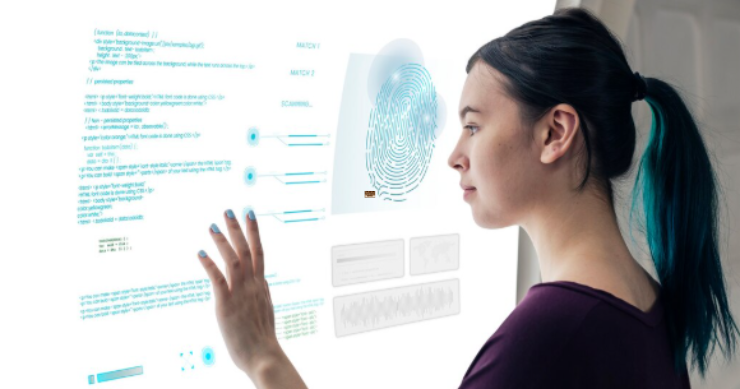
When you enter your login details, the system checks whether they match the stored information. If they do, access is granted. Some platforms also add extra steps, such as one-time passwords or fingerprint scans, to make sure the user is genuine.
Many organizations manage identities using a structured system that follows the Digital Identity Lifecycle. This includes creating identities, managing access, updating information when needed, and removing access when it is no longer required.
Why Digital Identity Is Important
Digital identity is important because it helps create trust online. Without a way to confirm identity, online services would be open to misuse, fraud, and data theft. Digital identity helps ensure that only authorized users can access systems and information.
For individuals, digital identity protects personal details and reduces the risk of identity theft. When managed properly, it allows users to access services easily while keeping their information safe.
For businesses and organizations, digital identity helps protect customer data, company systems, and online platforms. It also improves user experience by making access faster and more secure.
Digital Identity and Online Security
Security is one of the biggest reasons digital identity matters. Cyber threats are growing, and attackers often target weak or stolen login details. A strong digital identity system helps prevent unauthorized access.
Using secure login methods, monitoring login activity, and applying extra verification steps can reduce security risks. For users, features like two-step verification offer added protection beyond simple passwords.
When digital identities are well-managed, it becomes easier to detect unusual activity and stop threats before they cause damage.
Digital Identity and Privacy
Privacy is closely linked to digital identity. Every time personal information is shared online, there is a level of trust involved. Users expect their data to be handled safely and responsibly.
Good digital identity systems collect only necessary information and protect it using strong security measures. This helps reduce the risk of data misuse.
Modern identity systems are also focusing more on user control. Instead of sharing full personal details every time, users can confirm their identity without revealing extra information. This approach supports privacy while still allowing access.
Role of Digital Identity in Daily Life
Digital identity is now used in many parts of everyday life, not just social media or shopping. It plays a role in areas such as:
Online education platforms
- Healthcare portals
- Government services
- Remote work systems
- Subscription-based services
As digital services grow, digital identity becomes the key to accessing them. It helps users move between platforms smoothly and safely.
Benefits of a Well-Managed Digital Identity
A strong digital identity system offers many advantages for both users and organizations:
- Quick and easy access to online services
- Better protection against fraud
- Improved user experience
- Greater trust between users and service providers
- Support for data protection rules
For organizations, managing identities properly across the Digital Identity Lifecycle ensures that access is given only when needed and removed when it is no longer required. This reduces security risks and improves control.
Common Challenges with Digital Identity
Even though digital identity is useful, it also comes with challenges. One major concern is data breaches. If identity data is not stored securely, it can be exposed or stolen.
Another issue is managing multiple accounts. Many people use dozens of websites and apps, each with its own login details. This can lead to weak security habits, such as using the same password everywhere.
There is also the issue of trust. Users want to know how their information is used and whether it is shared with others. Organizations must be clear and honest about their data practices.
The Future of Digital Identity
Digital identity systems are continuing to improve. New methods like biometric login, password-free access, and secure digital wallets are becoming more common. These methods aim to make access easier while improving safety.
In the future, digital identity will likely become more user-friendly and secure. People may have more control over their data and how it is shared. As technology grows, digital identity will remain an important part of online life.
Conclusion
Digital identity is a key part of how we interact online. It helps confirm who we are, protects personal information, and allows safe access to digital services. From simple logins to secure systems, digital identity supports trust and security.
By understanding digital identity and its importance, users can be more aware of how their data is used. At the same time, organizations can build safer and more reliable systems. As the digital world continues to grow, digital identity will remain essential for secure and smooth online experiences.




What Is PMP, And Why Is It Important?The Project Management Institute offers the PMP (Project Management Professional) affirmation to assist experts with progressing in their task the board vocations.
The PMP course shows applicants how to execute the basics and different strategies of task the board.
The article examines the numerous manners by which having a PMP certificate can further develop one's vocation choices.What Is The PMP Certification?The PMP accreditation is presented to assist with projecting chiefs and their colleagues upskill themselves in their field and utilize their insight to work on their tasks' effectiveness.
The essential objective of task chiefs is to guarantee the group makes ideal conveyances and keeps a top notch of the end result.The PMP affirmation gives project directors and students the various instruments, procedures, and philosophies that can be carried out to accomplish the result referenced above with their tasks.
Working experts need to meet specific rules of essentials to be qualified for the accreditation.Rules For Eligibility For PMP CertificationThe main piece of being qualified for the PMP accreditation is to have experience working with and overseeing projects.
The primary requirements to be qualified for a PMP accreditation are:A four-year college degree.