Bariatric surgery has become a transformative solution for individuals struggling with obesity and related health issues. Beyond weight loss, these procedures can significantly improve overall health, including reducing the risk of diabetes, hypertension, and sleep apnea. However, deciding to undergo bariatric surgery involves more than understanding its benefits—it’s about identifying which procedure aligns with your unique health goals and lifestyle. One critical consideration many explore early on is the Bariatric Surgery Cost Dubai, which varies depending on the type of surgery and individual needs.
Bariatric procedures are designed to reduce the stomach’s capacity or limit nutrient absorption, effectively helping individuals control food intake and achieve sustainable weight loss. While the promise of health transformation is compelling, choosing the right type of surgery requires careful evaluation of factors such as weight loss goals, medical history, and personal preferences.
Types of Bariatric Surgery
Gastric Bypass
Gastric bypass surgery is one of the most widely recognized bariatric procedures. It involves creating a small stomach pouch and rerouting the small intestine, which limits food intake and reduces calorie absorption. This procedure is particularly effective for individuals with severe obesity or those who struggle with insulin resistance and type 2 diabetes. The rapid weight loss following a gastric bypass can be life-changing, but it also requires long-term commitment to dietary adjustments and supplementation to prevent nutritional deficiencies.
Sleeve Gastrectomy
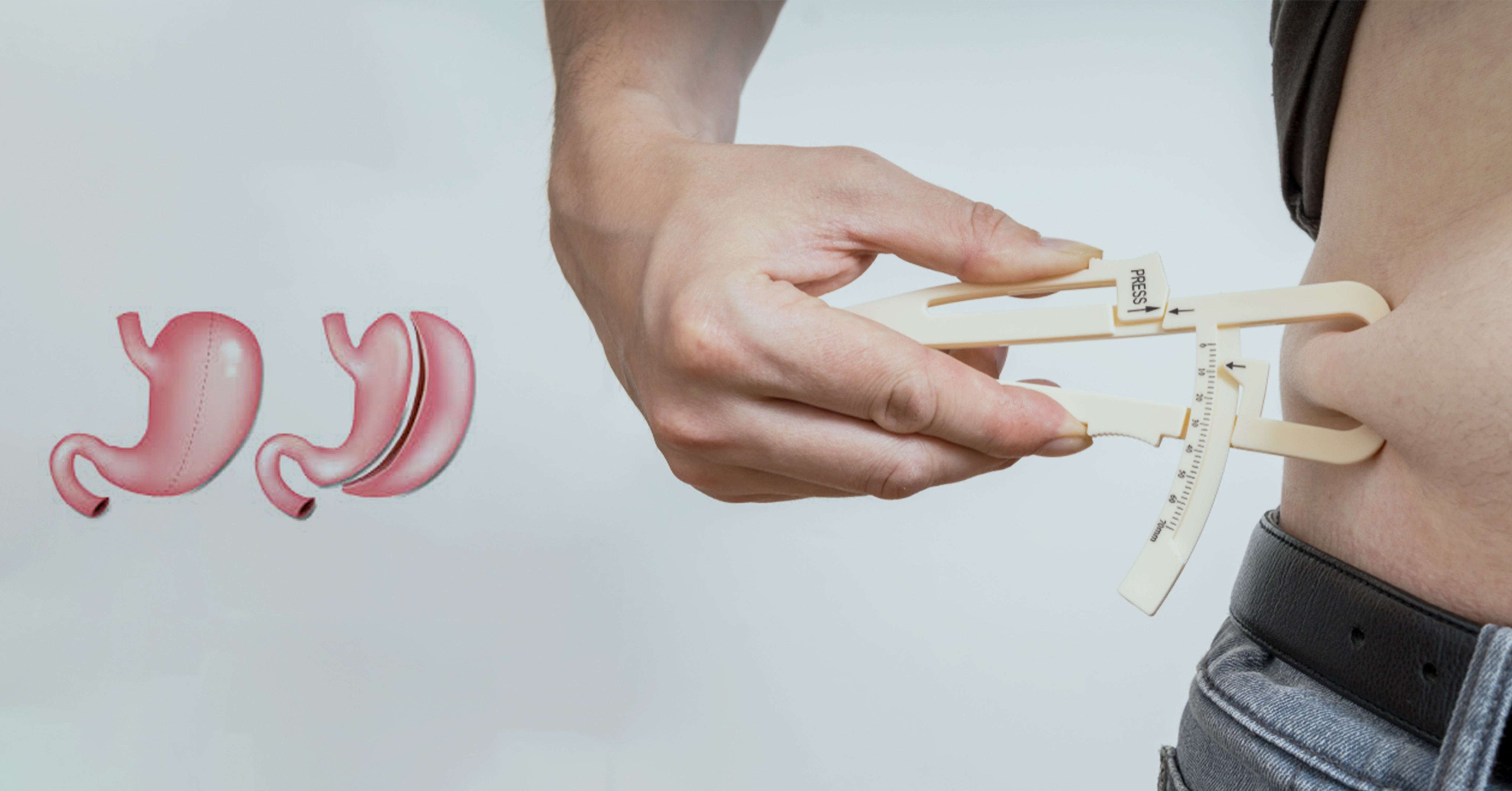
Sleeve gastrectomy, often called the gastric sleeve, involves removing a portion of the stomach to create a smaller, sleeve-shaped stomach. This procedure restricts the amount of food one can consume and reduces hunger-inducing hormones. Many patients choose the sleeve gastrectomy for its relative simplicity compared to gastric bypass, as it avoids rerouting the intestines while still offering significant weight loss results. Post-surgery, adopting mindful eating habits and regular physical activity is crucial for sustaining results.
Adjustable Gastric Banding
Adjustable gastric banding is a less invasive procedure that involves placing a band around the upper part of the stomach to create a small pouch. This band can be adjusted over time to control food intake gradually. While this procedure has a slower weight loss trajectory than gastric bypass or sleeve gastrectomy, it appeals to individuals seeking a reversible option with less surgical complexity. Long-term success, however, depends heavily on patient compliance with dietary guidance and lifestyle modifications.
Biliopancreatic Diversion with Duodenal Switch
This procedure is among the most complex bariatric surgeries, combining a sleeve gastrectomy with significant intestinal rerouting. It not only limits food intake but also reduces nutrient absorption to a substantial degree. Biliopancreatic diversion with duodenal switch is generally recommended for individuals with extreme obesity or those who have not achieved success with other procedures. While the weight loss results are remarkable, patients must remain vigilant about nutrient supplementation to avoid deficiencies.
Factors to Consider When Choosing a Procedure
Personal Health Goals
Identifying your primary health objectives is the first step in choosing the right bariatric surgery. Are you seeking rapid weight loss, improvement in metabolic conditions, or a gradual, sustainable change? Each procedure offers distinct outcomes, and aligning your goals with the expected results will help ensure long-term satisfaction.
Lifestyle and Commitment
The success of any bariatric surgery depends not only on the procedure itself but also on your commitment to lifestyle changes. Post-surgery nutrition, exercise, and regular medical follow-ups are essential to achieving and maintaining weight loss. Understanding the degree of commitment required for each type of procedure is critical in making an informed decision.
Medical History and Health Conditions
Certain health conditions, such as diabetes, gastroesophageal reflux, or previous abdominal surgeries, may influence the suitability of specific bariatric procedures. Consulting with healthcare professionals for thorough assessments and personalized recommendations can guide you toward a procedure that maximizes benefits while minimizing potential risks.
Preparing for Surgery
Psychological Readiness
Bariatric surgery is not only a physical transformation but also a psychological journey. Preparing mentally for the lifestyle changes and emotional adjustments that accompany significant weight loss is essential. Many patients benefit from counseling, support groups, and educational programs before undergoing surgery.
Nutritional Planning
Proper nutrition before and after surgery ensures your body is ready for the changes and supports healing and recovery. Pre-surgery dietary planning often includes protein-rich meals, vitamins, and mineral supplementation, while post-surgery guidelines emphasize small, nutrient-dense meals to accommodate the reduced stomach capacity.
Understanding Recovery
Recovery varies depending on the procedure chosen. While some procedures may require a short hospital stay, others necessitate longer recovery periods and careful monitoring. Knowing what to expect regarding pain management, activity limitations, and follow-up care can reduce anxiety and enhance your post-operative experience.
Long-Term Success and Maintenance
Sustainable weight loss after bariatric surgery depends on a lifelong commitment to healthy habits. Regular exercise, balanced nutrition, and consistent medical check-ups are essential. Additionally, emotional support through therapy or support groups can help navigate challenges such as body image changes or emotional eating triggers.
Patients who adhere to post-operative guidelines often experience not only significant weight loss but also improvements in overall quality of life, energy levels, and self-confidence. Establishing realistic goals and celebrating milestones along the way contributes to long-term success and satisfaction.
The Role of Cost Considerations
While the primary focus should always be on health and long-term outcomes, understanding Bariatric Surgery Cost in Dubai is also important for practical planning. Cost factors may vary based on the type of surgery, preparation, follow-up care, and lifestyle support required. Being informed about these financial aspects allows individuals to make decisions that align with both their health goals and personal circumstances.
Making the Right Choice
Choosing the right bariatric procedure is a deeply personal decision influenced by medical needs, lifestyle, and long-term goals. By thoroughly researching options, understanding each procedure’s benefits and limitations, and committing to post-operative care, individuals can make choices that lead to successful, sustainable outcomes.
Ultimately, the journey through bariatric surgery is not solely about the numbers on a scale—it is about achieving better health, renewed confidence, and a life transformed. With careful consideration, planning, and support, the right bariatric procedure can unlock possibilities that extend far beyond weight loss, shaping a future full of vitality and well-being