



The global cocoa industry is widely associated with chocolate production, confectionery, and beverages. Yet beyond cocoa beans themselves lies a lesser-known but increasingly valuable material — cocoa shells. Once treated as a simple processing residue, cocoa shells are now recognized as a useful agricultural and industrial input with real commercial demand.
As sustainability and resource efficiency become priorities across industries, cocoa shells are gaining attention in international trade. Buyers in agriculture, biomass energy, and organic farming are exploring cocoa shells as a practical and eco-friendly material. Exporters and suppliers who can provide consistent quality and bulk volumes are therefore seeing new opportunities in this segment.
This article explores what cocoa shells are, their key applications, and why global buyers are turning to experienced suppliers like PaBrEm B.V. for sourcing.
Understanding Cocoa Shells
Cocoa shells are the outer husks of cocoa beans, removed during the roasting and cracking stages of cocoa processing. After fermentation and drying, cocoa beans are roasted to develop flavor, then broken apart so the inner nibs can be separated from the shells. The nibs are used for cocoa liquor, cocoa powder, and chocolate, while the shells remain as a fibrous by-product.
Historically, these shells were often discarded or used locally as compost. However, as industries shift toward sustainable practices, cocoa shells are now viewed as a reusable resource rather than waste. Their organic composition and slow biodegradability make them suitable for several non-food applications.
Key Industrial and Agricultural Uses
Agricultural Mulching
One of the most common uses of cocoa shells is as mulch. When spread on soil, cocoa shells help retain moisture, suppress weeds, and regulate soil temperature. They gradually decompose, contributing organic matter to the soil.
Landscapers, horticultural businesses, and farms value cocoa shells for their lightweight structure and natural origin.
Composting and Soil Conditioning
Cocoa shells can be added to compost as a carbon-rich material. They balance nitrogen-heavy waste and help create nutrient-rich compost. This supports soil fertility and microbial activity, which are essential for long-term agricultural productivity.
Biomass Fuel Applications
As industries explore renewable energy alternatives, agricultural residues like cocoa shells are being considered for biomass systems. Their combustible properties allow them to serve as a supplementary fuel source in suitable facilities.
While not a universal replacement for conventional fuels, cocoa shells contribute to diversified renewable energy strategies.
Specialty and Niche Uses
In some markets, cocoa shells are used in specialty infusions, natural products, and craft applications. Though smaller in scale, these uses reflect the broader trend of maximizing agricultural by-products.
Why Demand Is Increasing
Several global trends are driving cocoa shell demand:
Sustainability Initiatives
Companies and farms are under pressure to reduce waste and demonstrate environmental responsibility. Using by-products supports these goals.
Circular Economy Models
Reusing cocoa shells aligns with circular economy principles, where materials are kept in use rather than discarded.
Cost Efficiency
For some applications, cocoa shells offer a cost-effective alternative to processed inputs.
Growth in Cocoa Processing
As cocoa processing expands globally, the availability of shells increases, supporting export markets.
Importance of Quality and Reliable Supply
For commercial buyers, not all cocoa shells are equal. Quality can vary depending on processing methods, drying standards, and storage conditions. Important factors include:
Moisture levels
Cleanliness
Consistent particle size
Proper packaging
Export readiness
Low-quality shells may create handling issues or reduce usability. This is why buyers prefer working with experienced exporters who understand bulk trade requirements.
PaBrEm B.V. as a Cocoa Shells Exporter and Supplier
PaBrEm B.V. operates as a global supplier supporting international buyers with bulk cocoa shell supply. With experience in commodity trade and agricultural by-products, the company focuses on consistent quality and reliable logistics.
For importers, working with a professional supplier reduces risk and simplifies procurement. Proper documentation, packaging, and shipment coordination are essential in bulk agricultural trade, and experienced exporters help ensure smooth transactions.
Logistics and Handling Considerations
Because cocoa shells are a bulk material, transportation and storage play a key role in maintaining quality. Buyers should ensure:
Dry storage conditions
Moisture protection during transit
Suitable bulk packaging
Clear communication with suppliers
Reliable logistics planning helps preserve usability and prevent losses.
Future Outlook for Cocoa Shell Trade
The future for cocoa shells appears promising as sustainability goals influence procurement decisions. Agricultural and industrial buyers are increasingly open to alternative materials that reduce waste and environmental impact.
Although cocoa shells will not replace primary raw materials, their role as a supplementary input is expanding. As awareness grows and supply chains mature, cocoa shells are likely to remain a valuable by-product in global trade.
Conclusion
Cocoa shells demonstrate how agricultural by-products can gain new commercial life in modern markets. Their uses in agriculture, composting, and biomass energy highlight the importance of resource efficiency.
For buyers seeking sustainable materials, cocoa shells offer a practical option when working with an experienced cocoa shells exporter and supplier like PaBrEm B.V. Consistent quality, proper handling, and dependable logistics are key factors for success in this market.
As industries continue to prioritize sustainability, cocoa shells are set to play a growing role in the broader cocoa value chain.


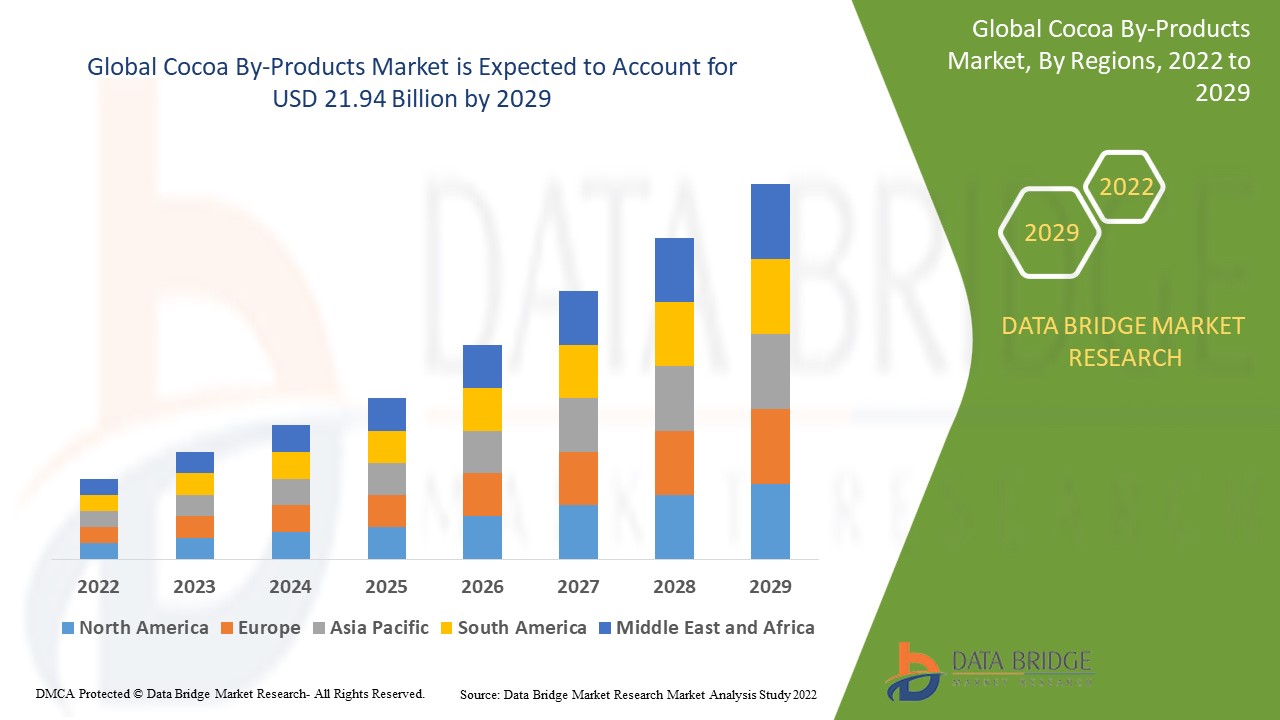

The global cocoa products market size was valued at $24.5 billion in 2019 and is projected to grow at a CAGR of 3.1% to reach a value of $30.2 billion in 2026.
Cocoa powder is predominantly used to manufacture chocolate confectionaries and cocoa paste, which is used to produce desserts.
Based on region, it is analyzed across North America that includes the U.S., Canada, and Mexico; Europe that includes the UK, the Netherlands, Germany, France, Spain, Italy, Turkey, and rest of Europe; Asia-Pacific that includes Malaysia, Indonesia, Singapore, Japan, China, India, and rest of Asia-Pacific; and LAMEA that comprises Brazil, Côte d'Ivoire, and rest of LAMEA.Get Enquiry More About This Report:http://www.marketgrowthanalysis.com/reports/sample/227Scope of the Global Cocoa Products MarketGlobal Cocoa Products Market, By Product TypeCocoa Beans• Cocoa Butter• Cocoa Powder & Cake• Cocoa Paste & Liquor• ChocolateGlobal Cocoa Products Market, By ApplicationConfectionery• Food & Beverages• Cosmetics• PharmaceuticalGlobal Cocoa Products Market, By RegionNorth America• Europe• Asia Pacific• Middle East and Africa• South AmericaEurope dominated the cocoa product market in 2018.
This is attributed to the increasing consumption of consumer goods and beverages, because of an increase in spending power of the people living in the region.Get Request For Discount:http://www.marketgrowthanalysis.com/reports/enquiry/227A recent development in the market for a cocoa product: In September 2015, Ghana’s Cocoa Research Institute introduced a new multiplicity of cocoa with new fine-flavours.
The flavours involved fruit, herbal, floral, wood nuts and caramel notes with chocolate bases.In October 2016, Blommer Chocolate Company, US, announced its plan to acquire only certified cocoa from 2020 onwards to adhere to cocoa industry standards.Players in the cocoa products industry have utilized business expansion and product launch to improve their product portfolio and improve market share.
The key players profiled in the cocoa products market include Cargill, Ciranda, FUJI OIL CO., LTD., Guan Chong Berhad (GCB), Puratos Group, The Hershey Company, Touton S.A, Tradin Organic, and United Cocoa Processor.Full View of Report Analysis:http://www.marketgrowthanalysis.com/cocoa-products-marketMarket Growth Analysis is one of the leading digital services provider and a result-oriented company based in Malaysia.