Modern construction projects across the United States increasingly face challenging subsurface conditions that demand innovative and efficient foundation solutions. As development expands into areas with soft clays, loose sands, and variable soil profiles, aggregate pier systems have become a proven method for improving ground performance. These systems play an important role in modern foundation engineering by enhancing soil behavior and supporting long-term structural reliability.
Understanding Aggregate Pier Systems
Aggregate piers, often referred to as stone columns, are constructed by placing and compacting crushed stone into vertical shafts within weak soils. This process increases soil strength, improves stiffness, and reduces settlement under load. In addition, the aggregate material provides improved drainage, helping to manage groundwater and reduce excess pore pressure.
Unlike deep foundation systems that transfer loads to deeper strata, aggregate piers improve the existing soil mass. This allows many structures to be supported by shallow foundations, offering both economic and technical advantages for commercial and industrial projects throughout the U.S.
Contractor Expertise and Installation Precision
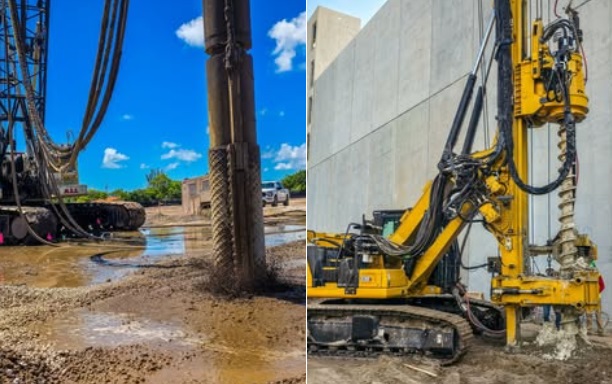
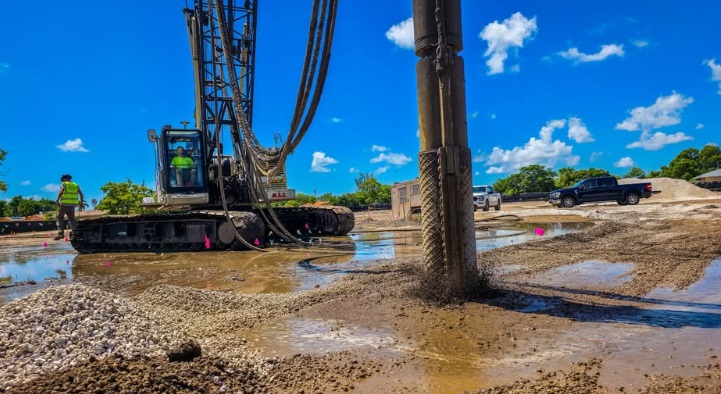
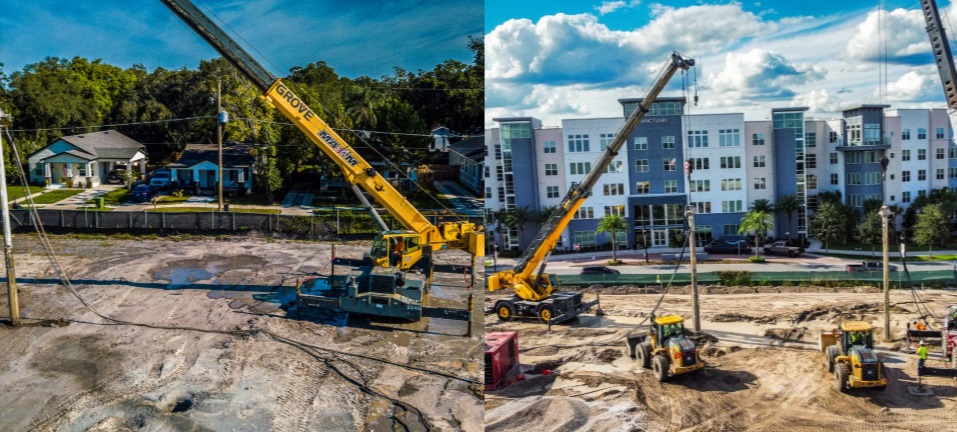
Aggregate Piers Contractors are responsible for translating engineering designs into effective field installations. Their work requires specialized equipment, skilled operators, and a detailed understanding of soil behavior. Proper construction involves forming the pier cavity and compacting aggregate in controlled lifts to ensure consistent density and performance.
Attention to installation methods is critical. The compaction process not only densifies the aggregate but also improves the surrounding soil through lateral displacement. When executed correctly, this creates a composite ground system capable of supporting substantial structural loads with controlled settlement.
Contribution to Modern Foundation Engineering
Aggregate pier systems are widely used in modern foundation engineering for applications such as warehouses, manufacturing facilities, distribution centers, storage tanks, and infrastructure projects. These structures often involve large footprints and uniform load demands, making settlement control a primary design concern.
By increasing soil stiffness and reducing differential movement, aggregate piers help engineers achieve predictable foundation performance. This reliability allows for optimized foundation designs and contributes to the overall safety and durability of structures.
Cost, Schedule, and Constructability Benefits
One of the key reasons aggregate pier systems are popular in the United States is their cost efficiency. Compared to traditional deep foundations, they typically require less material, shorter installation times, and fewer specialized components. This can lead to significant savings in both construction cost and schedule.
Aggregate Piers Contractors play an important role in maximizing these benefits by coordinating closely with project teams and integrating their work efficiently into the construction sequence. Early involvement can improve constructability, reduce delays, and minimize unforeseen ground-related issues.
Environmental and Sustainability Considerations
Aggregate pier systems also support sustainable construction practices. They reduce the need for extensive excavation and soil disposal, lowering environmental impact. The use of locally sourced aggregate materials further enhances sustainability while supporting regional supply chains.
Improved drainage characteristics can also contribute to long-term performance, reducing moisture-related issues that may affect foundations over time.
Quality Control and Long-Term Performance
Quality control is essential to the success of aggregate pier installations. Aggregate Piers Contractors implement field monitoring and testing procedures to verify that each pier meets design specifications. This focus on quality ensures consistent performance and long-term reliability.
Conclusion
Aggregate pier systems have become an integral part of modern foundation engineering in the United States. Through careful design, precise installation, and rigorous quality control, these systems provide a reliable and cost-effective solution for improving weak soils. By delivering stable foundations and predictable performance, Aggregate Piers Contractors help ensure the long-term success of today’s construction projects.