





When it comes to treating uterine fibroids, two of the most common options reviewed by patients and doctors alike are Ufe Vs Myomectomy. Both procedures aim to provide relief from symptoms such as heavy menstrual bleeding, pelvic pain, pressure, and urinary discomfort, but they differ significantly in approach, recovery, and long-term considerations. Understanding how each treatment works and the pros and cons of each can help women make more informed decisions based on their health goals.
What Is Uterine Fibroid Embolization (UFE)?
Uterine Fibroid Embolization (UFE) is a minimally invasive procedure performed by an interventional radiologist. It involves guiding a small catheter into the arteries that supply blood to the fibroids and releasing tiny embolic particles that block these vessels. Once the blood supply is cut off, the fibroids gradually shrink over time, leading to a reduction in symptoms.
A key advantage of UFE is that it avoids major surgery, no large incisions are required, and the uterus remains intact. Most patients can return to their daily routines within one to two weeks.
What Is Myomectomy?
Myomectomy is a surgical procedure that involves physically removing fibroids from the uterus. It can be performed in several ways, including hysteroscopic (through the cervix), laparoscopic (small abdomen incisions), or open abdominal surgery, depending on the size and location of the fibroids.
Myomectomy is often recommended for women who want to preserve fertility or have very large or numerous fibroids that may be difficult to treat through non-surgical means.
Comparing Effectiveness
Both UFE and myomectomy are effective at reducing fibroid symptoms, but the way they achieve results differs.
• Symptom relief: Most women experience significant reduction in heavy bleeding and pressure symptoms with both procedures. UFE works by shrinking fibroids over time, whereas myomectomy removes them immediately.
• Fibroid recurrence: Because myomectomy removes fibroids directly, there is a chance new fibroids may develop later, though the ones removed are gone. UFE reduces overall fibroid growth potential by targeting blood supply, which may impact future fibroid development, but recurrence is still possible.
• Size and number considerations: Myomectomy may be more suitable for very large fibroids or those located in areas that affect fertility. UFE is effective for a broad range of fibroid sizes and numbers once vascular supply can be safely accessed.
Recovery and Downtime
Recovery timelines differ between the two treatments:
• UFE Recovery: The recovery period is generally shorter than surgical methods. Most patients experience mild to moderate cramping, fatigue, and discomfort that improve within a few days. Normal activities can often resume within one to two weeks.
• Myomectomy Recovery: Because it is surgical, recovery usually takes longer. A laparoscopic or hysteroscopic myomectomy may require two to four weeks of healing, while open abdominal myomectomy can take six weeks or more, depending on the extent of surgery.
Risks and Complications
Both procedures carry potential risks, though the types of risks vary:
• UFE Risks: Temporary post-embolization syndrome (fever, pain, nausea), non-target embolization (rare), and potential impact on ovarian blood supply in some cases. Long-term fertility effects remain a topic of ongoing research.
• Myomectomy Risks: Surgical risks such as infection, bleeding, adhesion formation (scar tissue), and effects related to anesthesia. Because the uterus is opened, there may be a risk of uterine rupture in future pregnancies depending on the surgical approach.
Fertility Considerations
For women who wish to conceive after treatment:
• UFE: Generally, preserves the uterus, but its impact on fertility is not fully predictable. Some women achieve pregnancy after UFE, while others may face challenges, particularly if their ovarian or uterine blood flow is affected.
• Myomectomy: Often considered more fertility-friendly because it removes fibroids directly without altering blood flow to the uterus. It is typically recommended for women with fibroid-related infertility or repeated pregnancy loss.
Cost and Accessibility
Treatment cost varies widely based on location, provider, facility fees, and insurance coverage. UFE often requires less hospital time and may involve lower overall costs compared to surgical approaches. Myomectomy, especially open surgery, may involve higher facility and recovery-related costs due to longer hospital stays and postoperative care.
Choosing the Right Option
The best treatment depends on individual health goals, symptom severity, fibroid size and location, age, fertility aspirations, and personal preferences. Consulting with experienced fibroid specialists helps women understand which treatment aligns best with their needs. Centers such as USA Fibroid Centers specialize in evaluating these factors and recommending personalized care plans.
Conclusion
Both UFE and myomectomy offer viable paths to fibroid symptom relief. UFE is minimally invasive with a quicker recovery and no surgical incisions, while myomectomy offers immediate removal and is often chosen when fertility preservation is a top priority. Understanding the differences between these treatments helps women make empowered decisions in partnership with their healthcare team.

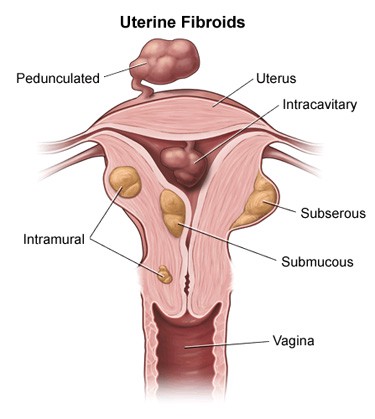
Fibroid removal myomectomy Surgery in India.
Myomectomy, like fibroidectomy, alludes to the careful removal of uterine leiomyomas, otherwise called fibroids.
Myomectomy is a type of surgery used to remove uterine fibroids.
Your doctor might recommend this surgery if your fibroids are causing symptoms such as pelvic pain, irregular bleeding, frequent urination etc.
Contact us at Healing touristry for Best Hospitals of Fibroid removal myomectomy Surgery in India.