


Some of the frequent scenarios drivers ask about how to do mileage programming, sometimes as an act of good record-keeping, looking to replace a damaged instrument cluster, or transmission data lost after electrical repair services. Although odometer fraud to defraud mileage is a crime in most areas, legal corrections can be made when the proper procedures are followed, and the paperwork is completed. For both vehicle owners and sellers, knowing the distinction is crucial.
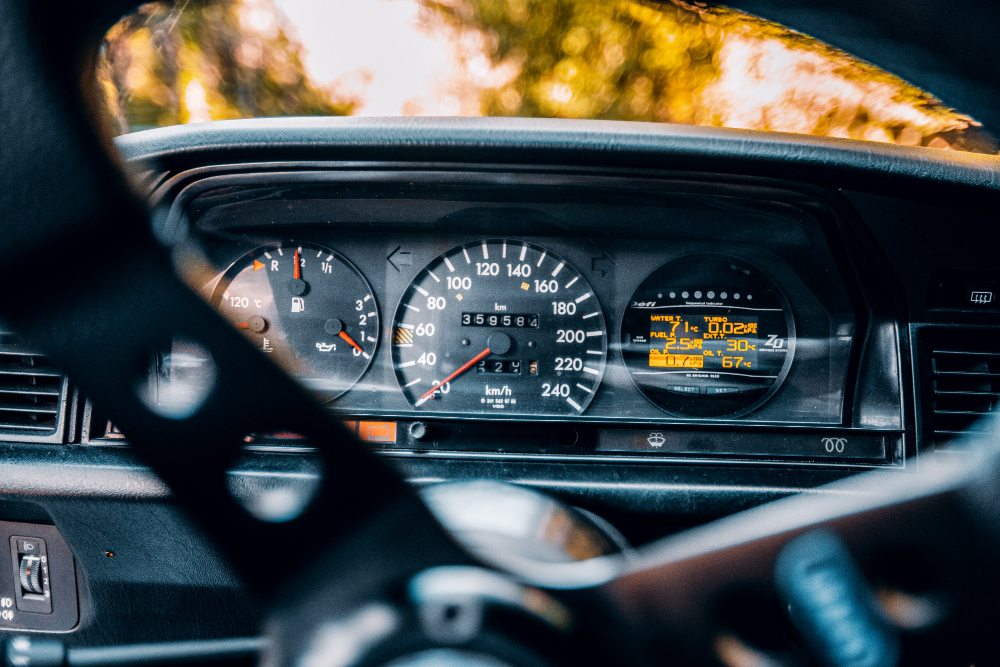
An odometer measures a car’s total distance traveled and is key to estimating value, maintenance timing, and safety guidelines. That's why mods are so heavily controlled. If you want to learn how to change an odometer legally, the first step is finding out why the odometer is faulty. Typical culprits are a broken dash, an exchange of gauge clusters, or system glitches. Ensuring proper documentation of any correction helps protect both the owner and future buyers from legal or financial issues.
Instead of trying to make adjustments themselves, owners are urged to go to authorized repair facilities or dealers. Today’s cars record mileage in thousands of places stored within their various electronic modules, and approved dealers are able to match up the data using manufacturer-authorized devices. This gives a professional method to maintain accuracy and protect against tampering claims. Any discussion on odometer modification should be held to that; it's all about legitimate correction and not deception, as well as being in compliance with local laws and ordinances.
If a correction is effected, service records shall show the previous mileage before the correction was made, the reason for the change, and the corrected reading. In most areas, disclosure forms must be filled out and kept, even if the vehicle is ultimately sold. These descriptions protect both current and future property holders by keeping the history clear.
Digital odometers also pose challenges, requiring specialized tools to correct readings safely. Newer systems are typically digital and need to be calibrated via a software package and secure identification methods. Unauthorized modification attempts can result in fault codes being set or modules being blocked. This is the reason that manufacturers and regulators clearly advise against all do-it-yourself approaches, encouraging consumers to take their vehicles for diagnosis to a vehicle manufacturer's service center, where mileage-related problems can be assessed by certified technicians.
Proper disclosure is as essential for sellers as the correction itself. If the mileage cannot be proved because the odometer has been replaced and records are not complete, vehicles may be issued titles with “odometer discrepancy” or “not actual mileage” statements. Though this can impact resale value, it is certainly better than being legally penalized for misrepresentation. The responsible use of how to change the odometer builds trust and minimizes risk.
And last but not least, accurate speedometer readings help to feel safe on the road. Owners confronted with valid mileage errors are encouraged to consider legitimate remedies, professional assistance, and clear record keeping. With an honest and respectful approach to the problem, you can correct odometer discrepancies without going afoul of the law.
Andrew Richardson is the author of this Article. To know more about buying a lemon cars, please visit our website: allenstewart.com