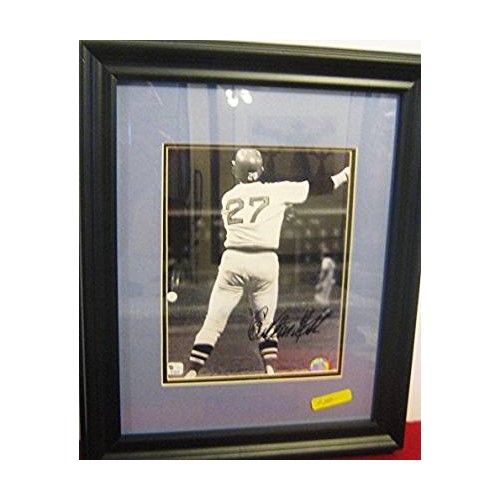



Awesome Artifacts is an e-commerce store that specializes in autographed memorabilia from sports, music, and entertainment. Awesome Artifacts offers signed collectibles from legendary athletes, iconic musicians, and popular movies with a strong focus on authenticity and trust. They share 6 simple secrets to help spot fake autographs. They also explain how to notice natural writing flow, ink quality, signature placement, and signs of aging. It also highlights why comparison and proper records matter when buying signed items. These insights help collectors, fans, and investors avoid fake memorabilia, protect long-term value, and feel confident when choosing authentic signed collectibles.
1. Check Signature Flow and Movement
Real autographs usually show natural movement and smooth flow. A genuine signature is signed quickly and confidently, often in one motion. Fake autographs tend to look slow, stiff, or uneven. The lines may appear shaky or carefully drawn instead of freely written. Natural signatures often have consistent pressure, while fake ones may have sudden stops or changes in line thickness. The overall look of the autograph should feel fluid and balanced rather than forced or controlled.
2. Look at Ink and Writing Surface
The ink used in an autograph provides important clues. Real signatures often show even ink flow with natural fading in certain areas. Fake autographs may appear too perfect or too dark across the entire signature. Ink that sits unnaturally on the surface can indicate a later addition. The writing surface should also match the age of the item. If the ink looks newer than the item itself, that is a sign of concern. Consistency between ink condition and item age is important when checking authenticity.
3. Compare with Verified Authentic Signatures
Comparing a signature with known authentic versions helps identify important differences. Real autographs usually change slightly over time but keep the same basic style. Small variations in size, spacing, and slant are normal. Fake autographs often try to copy one specific version and may repeat the same shape too closely. This lack of natural variation can be a sign of forgery. Studying multiple authentic samples helps build a stronger understanding of how a real signature normally looks. Another important detail is consistency in letter formation. Real signatures often have certain letters that are always written similarly. Fake signatures may struggle to copy these details accurately. Over time, experience with authentic signatures makes it easier to notice patterns that forgeries often miss.
4. Check Signature Placement and Position
The placement of a signature can reveal how it was signed. Real autographs are usually placed where the signer could comfortably write. The position often follows the shape and size of the item. Fake autographs may be placed in areas chosen mainly for visual appeal rather than comfort. The angle of the signature should look natural and not overly planned. Spacing also matters. Real signatures usually flow naturally with the surface, while fake ones may look carefully centered or spaced. If the placement looks overly perfect or staged, it may be a sign that the autograph was added later. Natural placement supports authenticity and shows how the item was handled at the time of signing.
5. Review Authentication and Supporting Documents
Authentication and documentation are key factors in confirming a real autograph. Authentic items are often reviewed by trained experts who study the signature closely. Proper documentation explains the verification process and adds credibility to the item. Fake items may include weak or unclear paperwork that lacks detail. Strong documentation helps buyers feel confident and protects the long-term value of a collectible. It also makes resale easier by providing proof of authenticity. Reliable records support trust and reduce uncertainty. When authentication is clear and detailed, it becomes one of the strongest signs that a signed item is genuine.
6. Consider Overall Condition and Aging
The overall condition of a signed item should match its age and history. Natural aging can affect both the item and the autograph over time. Wear, fading, and slight imperfections are normal for older collectibles. Fake autographs may appear too clean or too fresh compared to the rest of the item. Consistency between the autograph and the item is important. If the signature looks newer or better preserved than the object itself, it may raise concerns. A balanced appearance supports authenticity and helps confirm that the autograph has aged naturally with the item.
Conclusion
Spotting fake autographs requires patience, observation, and basic knowledge. Each detail, from signature flow to ink quality and placement, plays an important role in identifying authenticity. Comparing signatures, reviewing documentation, and considering overall conditions help reduce risk and improve decision-making. Fake autographs often reveal themselves through unnatural writing, poor ink match, or weak records. Building awareness of these secrets helps collectors protect their investment and avoid costly mistakes. A careful and informed approach leads to stronger confidence and long-term satisfaction. Over time, learning these signs supports better collecting habits and helps preserve trust in the world of autographed memorabilia.