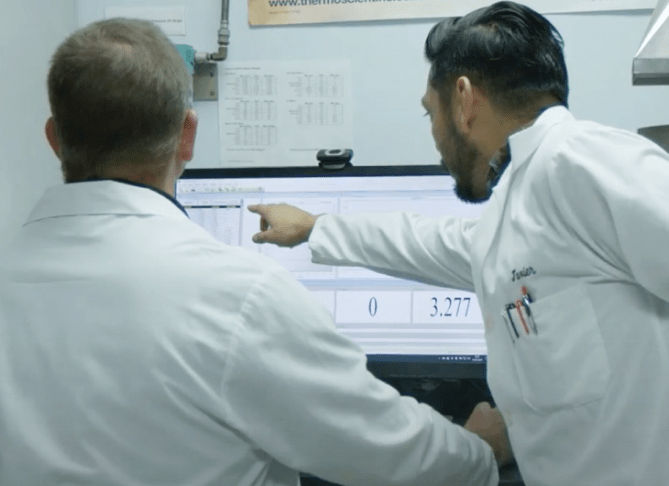



Hazardous materials present in soil, air, and water can pose serious risks to human health, property, and the environment if they are not properly identified and managed. Industrial operations, construction activities, waste disposal, and accidental spills can leave behind harmful substances that are not always visible to the naked eye. Certified environmental testing labs (ETLs) play a crucial role in detecting and analysing hazardous site materials, providing accurate data that supports safe decision-making and regulatory compliance.
Certified testing laboratories follow strict quality standards to ensure reliable and consistent results. Their certification confirms that they use approved testing methods, calibrated equipment, and trained professionals who understand environmental science and regulatory requirements. This level of expertise is essential when dealing with hazardous materials, as incorrect analysis can lead to unsafe conditions, legal consequences, or costly remediation errors.
Hazardous site materials can include heavy metals, petroleum hydrocarbons, asbestos, pesticides, solvents, and other toxic substances. These materials often originate from industrial facilities, fuel storage areas, landfills, agricultural sites, or aging infrastructure. Without proper testing, contamination may remain undetected until it affects groundwater, food sources, or human health. Certified ETLs provide early detection by analysing samples collected from affected sites and identifying both the type and concentration of hazardous substances present.
Accurate laboratory analysis begins with proper sample handling. Certified labs follow strict protocols for sample collection, transportation, and storage to prevent contamination or degradation. Technicians ensure that soil, air, and water samples are collected from representative locations and preserved under controlled conditions. This careful handling is essential for producing dependable results that reflect actual site conditions.
Once samples reach the laboratory, advanced analytical techniques are used to identify hazardous materials. These techniques may include chemical analysis, spectroscopy, chromatography, and other scientific methods designed to detect even trace levels of contaminants. Certified labs compare results against established safety standards and regulatory limits, allowing clients to understand the severity of contamination and potential risks involved.
Detailed reporting is another key benefit of working with certified ETLs. Test results are presented in clear, structured reports that explain findings, contaminant levels, and compliance status. These reports are essential for environmental consultants, developers, property owners, and regulatory authorities. Clear documentation supports informed decisions regarding site remediation, development approvals, or ongoing monitoring requirements.
Certified labs also play an important role in environmental compliance and risk management. Many projects require environmental assessments before construction, property transfer, or industrial expansion can proceed. Regulatory agencies often mandate laboratory testing to confirm that hazardous materials are identified and managed appropriately. Using a certified lab ensures that test results meet legal requirements and are accepted by governing bodies, reducing delays and potential disputes.
Public health protection is another critical outcome of professional environmental testing. Exposure to hazardous materials can lead to serious health issues, including respiratory problems, neurological damage, and long-term chronic illnesses. Certified ETLs help identify these risks early, enabling remediation efforts that reduce exposure and protect surrounding communities. This proactive approach supports healthier living environments and long-term environmental sustainability.
Certified labs also support environmental remediation projects by providing baseline testing, progress monitoring, and post-cleanup verification. During cleanup efforts, repeated testing confirms whether hazardous materials have been successfully removed or reduced to acceptable levels. This verification is essential to ensure that remediation strategies are effective and that sites are safe for future use.
Certified environmental testing labs provide detailed analysis of hazardous site materials that is essential for protecting human health, ensuring regulatory compliance, and supporting responsible land use. Through precise sampling, advanced laboratory techniques, and clear reporting, these labs deliver reliable insights into environmental conditions. By identifying hazardous materials early and accurately, certified testing laboratories help prevent long-term damage, guide effective remediation, and contribute to safer, more sustainable environments for communities and future generations.