



Recruitment Process Outsourcing, commonly referred to as RPO, is a workforce model used by organisations in Malaysia to manage recruitment activities through an external partner. Instead of handling every stage of hiring internally, companies outsource specific recruitment functions or the entire hiring lifecycle to improve efficiency, consistency, and scalability.
In Malaysia’s competitive and regulated employment environment, RPO is increasingly used as a structured hiring approach rather than a short-term recruitment solution.
Understanding Recruitment Process Outsourcing
Recruitment Process Outsourcing is a hiring framework where an external provider takes responsibility for defined recruitment processes. This may include sourcing, screening, interview coordination, offer management, and hiring analytics.
In the Malaysian labour market, RPO is commonly used across sectors such as technology, manufacturing, healthcare, finance, and shared services. The model is designed to align with local employment practices while supporting both permanent and contract hiring needs.
Why RPO Is Used in the Malaysian Hiring Market
Several market factors influence the adoption of RPO in Malaysia. These include ongoing skill shortages in specialised roles, fluctuating hiring demand due to project-based work, and increasing pressure on internal HR teams to deliver faster hiring outcomes.
Compliance considerations also play a role. Employers must navigate employment contracts, payroll alignment, and local labour regulations. RPO provides a structured way to manage recruitment processes while maintaining consistency and documentation.
How the RPO Process Works
Workforce Requirement Planning
The RPO process typically begins with workforce planning. Employers define the roles to be filled, expected hiring volumes, timelines, and skill requirements. This step also considers employment types, such as permanent or contract roles, and any regulatory or industry-specific requirements relevant in Malaysia.
Recruitment Strategy Alignment
Once requirements are defined, a recruitment strategy is developed. This includes identifying appropriate sourcing channels, defining screening criteria, and establishing interview workflows. The aim is to create a repeatable recruitment process that aligns with the employer’s hiring standards and the local talent market.
Talent Sourcing and Market Mapping
RPO sourcing focuses on long-term talent availability rather than only immediate vacancies. This involves mapping talent pools across Malaysian regions, engaging both active and passive candidates, and building pipelines for recurring roles. Market data and hiring trends are often used to guide sourcing decisions.
Candidate Screening and Evaluation
Candidates are assessed through structured screening processes. These may include resume reviews, initial interviews, technical assessments, and role-specific evaluations. Consistency in screening helps ensure fairness and improves the quality of shortlisted candidates.
Interview Coordination and Hiring Support
RPO providers often manage interview scheduling and candidate communication. This reduces administrative workload for internal teams and ensures clear communication throughout the hiring process. Offer coordination and pre-employment documentation support may also be included.
Onboarding and Hiring Performance Review
Some RPO models extend into early onboarding stages. This may involve supporting joining formalities and tracking hiring performance indicators such as time-to-hire and offer acceptance rates. These insights are used to refine future recruitment strategies.
Common RPO Models Used in Malaysia
RPO in Malaysia is not a one-size-fits-all approach. Organisations may choose full lifecycle RPO where the entire recruitment process is outsourced, or project-based RPO designed for specific hiring initiatives. Hybrid models are also common, combining internal HR teams with external recruitment support for selected roles or functions.
RPO Compared to Traditional Hiring Approaches
RPO differs from traditional recruitment by focusing on long-term process ownership rather than individual placements. While traditional hiring is often reactive and role-specific, RPO emphasises planning, consistency, and continuous improvement across multiple hiring cycles.
When Organisations Typically Use RPO in Malaysia
Businesses in Malaysia often adopt RPO during periods of rapid growth, market entry, or high-volume hiring. It is also used when organisations face internal resource constraints or require specialised recruitment expertise for hard-to-fill roles.
RPO is not intended to replace internal HR teams but to complement them by providing additional structure and scalability.
Role of Technology in RPO
Technology plays a supporting role in RPO delivery. Applicant tracking systems, recruitment analytics, and AI-assisted screening tools are commonly used to improve efficiency. However, human judgment remains central to candidate evaluation and hiring decisions.
Frequently Asked Questions
What is Recruitment Process Outsourcing in Malaysia
Recruitment Process Outsourcing in Malaysia refers to a hiring model where organisations outsource defined recruitment processes to an external partner to manage talent acquisition more effectively.
Is RPO suitable for growing businesses in Malaysia
RPO can support businesses of different sizes, particularly during expansion phases or when hiring demand increases beyond internal capacity.
How does RPO differ from using a recruitment agency
RPO focuses on managing recruitment processes over time, while recruitment agencies typically operate on a role-by-role placement basis.
Does RPO support compliance with Malaysian employment practices
RPO frameworks are often aligned with local employment requirements, helping organisations maintain consistency and documentation in hiring activities.
Can RPO be used for both permanent and contract roles
Yes. RPO models in Malaysia commonly support permanent, temporary, and contingent workforce hiring.
Recruitment Process Outsourcing in Malaysia functions as a structured hiring framework designed to support workforce planning, scalability, and process consistency. By understanding how RPO works, employers can make informed decisions about how to manage recruitment effectively within the Malaysian labour market.





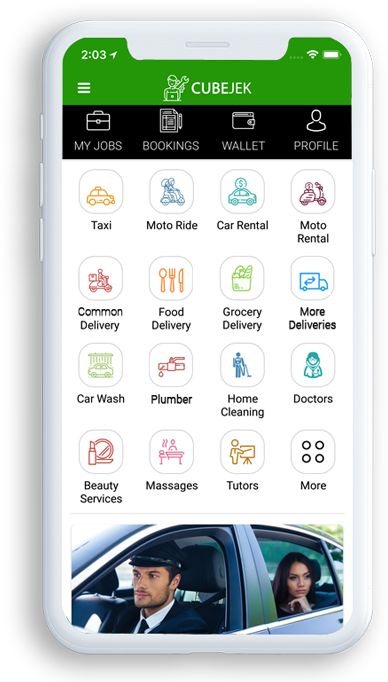
This blog helps entrepreneurs understand the advantages of having the Gojek Clone app in malaysia as their digital presence in the malaysia market.
It further explains what makes our Gojek Clone app with 70 + services the best solution in the market.