The ankle is a complex joint that supports the entire weight of the body during movement. One of the most important stabilizing structures on the inner side of the ankle is the deltoid ligament. Although it is a strong ligament, injuries can still occur due to trauma, overuse, or improper movement. Understanding the causes, symptoms, and treatment options for deltoid ligament injuries is essential for timely care and long-term recovery.
If ankle pain persists or affects daily activities, seeking professional help from a Pain Treatment Center in Bethlehem can ensure accurate diagnosis and effective treatment.
What Is the Deltoid Ligament?
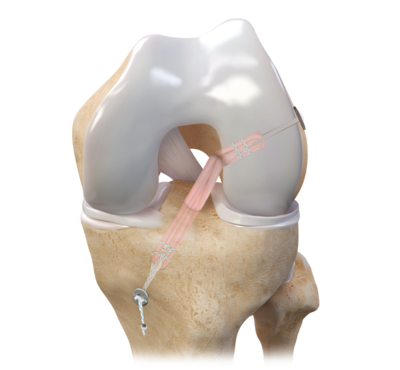
The deltoid ligament is a thick, triangular-shaped ligament located on the inner (medial) side of the ankle. It connects the tibia (shin bone) to multiple bones of the foot, helping stabilize the ankle and prevent excessive inward rolling.
Unlike lateral ankle ligaments, the deltoid ligament is very strong, which is why injuries are less common. However, when injury does occur, it is often associated with significant force or underlying ankle instability.
Causes of Deltoid Ligament Injury
Deltoid ligament injuries usually occur due to trauma or excessive stress on the ankle. Common causes include:
1. Ankle Sprains
A forceful outward rolling of the foot can overstretch or tear the deltoid ligament, especially during sports or sudden movements.
2. Falls or Accidents
Slips, falls, or motor vehicle accidents can place excessive stress on the inner ankle, leading to ligament damage.
3. Sports-Related Injuries
Athletes involved in football, basketball, soccer, or running are at higher risk due to repetitive ankle stress and sudden directional changes.
4. Overuse or Chronic Stress
Repeated strain over time can weaken the ligament, causing pain and inflammation without a complete tear.
Symptoms of a Deltoid Ligament Injury
Symptoms can range from mild discomfort to severe pain depending on the extent of the injury. Common signs include:
- Pain on the inner side of the ankle
- Swelling and tenderness around the ankle joint
- Difficulty walking or bearing weight
- Ankle stiffness or instability
- Bruising in more severe cases
Ignoring these symptoms may lead to chronic ankle instability, which is why early evaluation at a Pain Relief Clinic is important.
How Deltoid Ligament Injuries Are Diagnosed
Accurate diagnosis is key to effective treatment. A healthcare provider may use:
- Physical Examination
- The ankle is assessed for tenderness, swelling, and range of motion.
- Imaging Tests
- X-rays to rule out fractures
- MRI scans to confirm ligament damage and severity
A specialized Pain Treatment Center in Bethlehem can provide advanced diagnostic tools to ensure precise evaluation.
Treatment Options for Deltoid Ligament Injuries
Treatment depends on the severity of the injury and the patient’s activity level. Most cases respond well to conservative care.
1. Rest and Activity Modification
Reducing physical activity allows the ligament to heal and prevents further damage.
2. Ice and Compression
Ice packs and compression help reduce swelling and inflammation during the early stages of injury.
3. Physical Therapy
Targeted exercises improve ankle strength, flexibility, and stability, reducing the risk of reinjury.
4. Pain Management Services
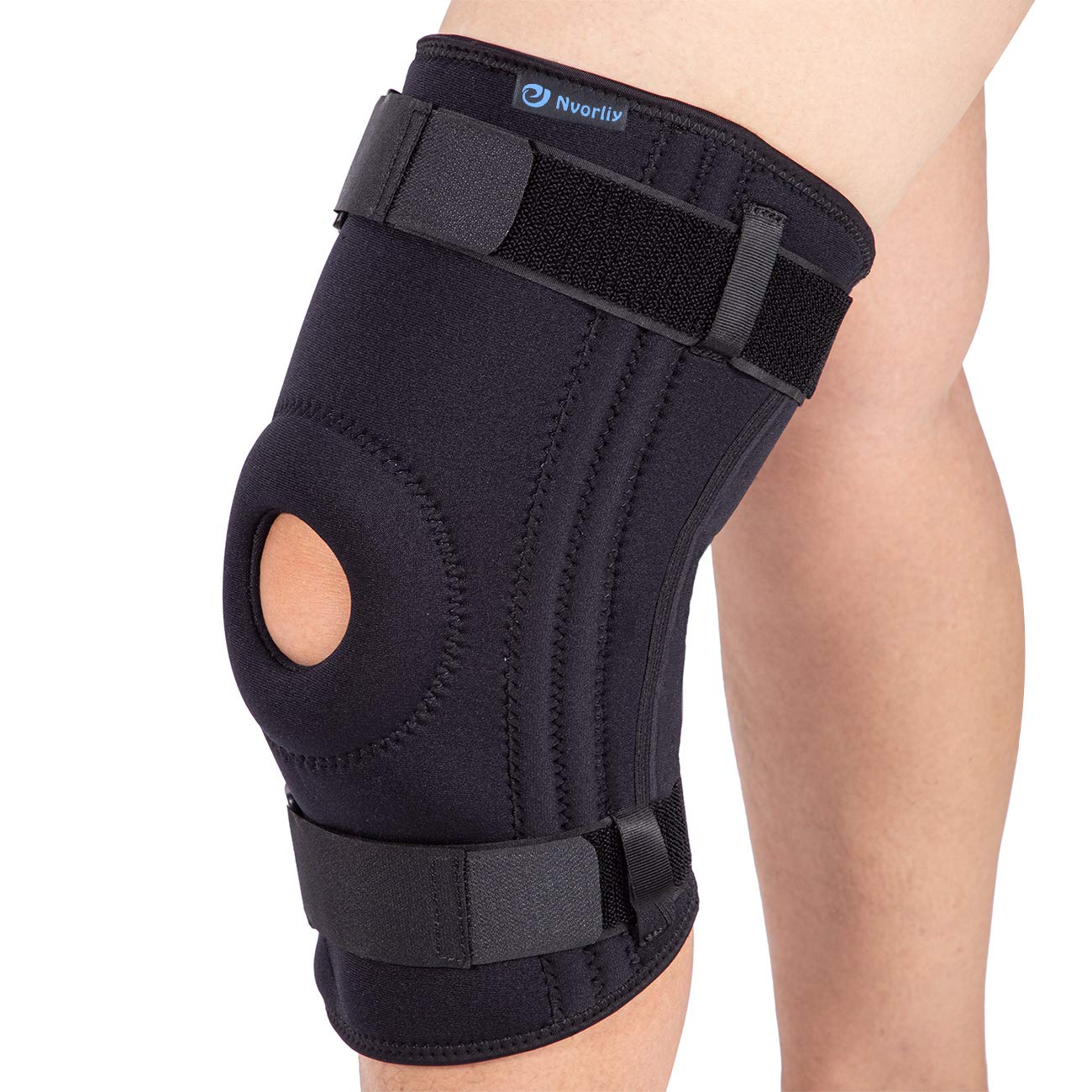
Professional Pain Management Services may include anti-inflammatory medications, supportive braces, or minimally invasive procedures to relieve pain and promote healing.
5. Advanced Interventional Treatments
In severe or chronic cases, image-guided injections or other advanced pain management techniques may be recommended.
6. Surgery (Rare Cases)
Surgical repair is rarely needed and is usually reserved for complete tears or ankle instability that does not respond to conservative treatment.
Recovery and Prevention Tips
Recovery time varies depending on the severity of the injury but typically ranges from a few weeks to several months. To prevent future injuries:
- Wear supportive footwear
- Warm up before physical activity
- Strengthen ankle muscles through regular exercises
- Avoid uneven surfaces when possible
Proper guidance from a trusted Pain Relief Clinic can significantly reduce recovery time and prevent recurrence.
Frequently Asked Questions (FAQs)
1. Is a deltoid ligament injury serious?
It can be serious if left untreated. Early diagnosis and proper care usually lead to full recovery.
2. How long does it take to heal?
Mild injuries may heal within a few weeks, while more severe cases can take several months.
3. Can I walk with a deltoid ligament injury?
Walking may be painful. It is best to limit weight-bearing until evaluated by a specialist.
4. Do deltoid ligament injuries require surgery?
Most cases do not require surgery and respond well to conservative treatment and pain management.
5. When should I see a pain specialist?
If ankle pain, swelling, or instability persists despite rest, consulting a pain specialist is recommended.
Conclusion
The deltoid ligament plays a vital role in maintaining ankle stability and supporting everyday movement. Injuries to this ligament can cause significant discomfort and limit mobility if not treated properly. Understanding the causes, recognizing early symptoms, and seeking timely care are essential for effective recovery.
At MVM Health, patients receive comprehensive evaluation and personalized care through advanced Pain Management Services. If you are experiencing persistent ankle pain, visiting a trusted Pain Treatment Center in Bethlehem can help you regain mobility, reduce pain, and return to daily activities with confidence. Schedule a consultation today and take the first step toward lasting relief.