


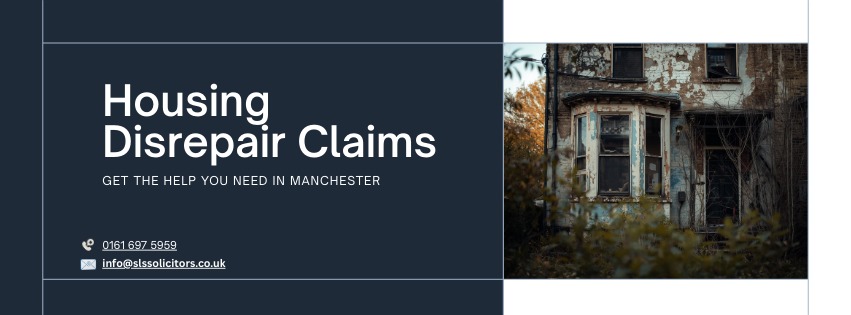
Understanding Housing Disrepair Compensation
When you rent a property, your landlord has a legal duty to ensure it’s safe, dry, and in good repair.
But what happens if you’ve reported serious issues — and nothing gets fixed?
That’s when housing disrepair compensation may come into play.
Compensation is financial payment to tenants whose homes have become uncomfortable, unsafe, or unhealthy due to a landlord’s failure to carry out essential repairs.
When Can You Claim Housing Disrepair Compensation?
You can usually claim compensation if:
- You’ve reported defects to your landlord
- They haven’t repaired them within a reasonable time
- The disrepair has caused inconvenience, discomfort, or harm
Common examples include:
- Damp and mould leading to health issues
- Leaking roofs, broken windows, or faulty heating systems
- Unsafe wiring or plumbing
- Structural damage making parts of the home unusable
Types of Compensation You Could Receive
Housing disrepair compensation can cover several things, such as:
- General inconvenience – for living with problems that should have been fixed.
- Damage to personal belongings – like clothes or furniture spoiled by damp or leaks.
- Health issues – if the disrepair has affected your physical or mental wellbeing.
- Increased costs – such as higher energy bills due to faulty heating or drafty windows.
In serious cases, you may also receive compensation for time lost from work or medical treatment costs linked to the poor living conditions.
How Much Compensation Can You Get?
There’s no fixed amount — it depends on factors like:
- The severity of the problem
- How long you’ve lived with it
- The impact on your health, property, and quality of life
Solicitors often express housing disrepair compensation as a percentage of your annual rent, typically anywhere between 25% and 100%, depending on the seriousness of the case.
The Step‑by‑Step Process to Claim Compensation
- Report the issue clearly to your landlord (keep written proof).
- Allow reasonable time for repairs.
- Collect evidence — photos, videos, and any damaged items.
- Contact a housing lawyer or specialist.
- Begin your claim if the landlord fails to fix the problem.
A solicitor will assess your claim, guide you through paperwork, and may offer a no win, no fee arrangement so you’re not out of pocket upfront.
Why Acting Quickly Is Important
The longer you tolerate disrepair, the worse it can become — and the harder it may be to claim full compensation later.
Taking action protects your home, health, and finances. It also reinforces the legal standards that landlords must follow.
Q1. What exactly is housing disrepair compensation?
It’s financial compensation for tenants who’ve suffered inconvenience, health issues, or damage to belongings due to their landlord’s failure to maintain the property.
Q2. How much compensation could I receive?
The amount depends on how severe the disrepair is and how long it lasted. It’s often calculated as a percentage of your annual rent — typically between 25% and 100%.
Q3. Can I claim if my landlord fixes the problem after I complain?
Yes, you may still claim if you experienced significant inconvenience, distress, or losses before the repairs were finally completed.
Q4. What’s covered under “increased costs”?
Extra heating bills, replacement furniture, cleaning costs, or medical expenses linked to the disrepair could all form part of your claim.
Q5. Does it matter if I’m a council or housing association tenant?
No — both council tenants and housing association tenants can pursue housing disrepair compensation if their landlord has neglected proper maintenance duties.
Final Thoughts
Housing disrepair compensation is about fairness and dignity. Every tenant deserves a home that is safe, warm, and well‑maintained.
If your landlord ignores serious issues even after you’ve reported them, you have the right to take action and claim what you’re owed.
Don’t underestimate your rights — your home should support your wellbeing, not undermine it.


