






The thing is, there's one particular principle Craig S. Brown is always sharing with founders and executives: you can't scale brilliance without blueprints. Working with a lot of growing companies himself, he has watched the same pattern unfold time and again. Businesses take off on creativity, instinct, and relentless effort but stall because structure fails to keep pace with ambition.
Early success often masks deeper problems. Passion drives progress. Hustle builds momentum. But without systems, that momentum inevitably becomes exhaustion. What seems like freedom on the surface can quietly become fragile success.
When Brilliance Becomes a Bottleneck
Leaders easily become the center of their business without realizing it. They are, for instance, the decision maker, solution finder, and safety net. The growth of the business depends on them.
Craig S. Brown writes: “A simple litmus test: If someone in charge cannot leave for a week without everything falling apart, the business isn’t scalable. It’s dependent.”
Such a dependency carries risks. Ideas often move faster than execution does. The process waits upon direction. Momentum decreases while activity increases. Ultimately, brilliance untempered by structure results in exhaustion, never expansion.
The Myth of Scaling Through Hustle
In the initial stages of a venture or business, hustle is inevitable. Leaders have multiple hats to wear, and they have to be quick. During this phase, leaders have to be instinctive.
But according to Craig S. Brown, “the very practices that cause businesses to launch can prevent them from growing.”
The major limitations of using a hustling approach include:
- Output without consistency
- Progress dependent on individual efforts
- Decision Fatigue at the Leadership Level
Are teams unsure about priorities and ownership? Hustle builds activity. Systems produce results. If results depend on people, growth happens slowly. If results depend on systems, growth happens repeatedly.
Building the Blueprint That Supports Growth
Enduring companies are said to have clear operating blueprints. This is according to Craig S. Brown, who argues that these blueprints are not complicated, but simplistic in their structure.
He also advises them to begin by focusing on their basic operating patterns and what drives them most.
For each critical process, three questions should be answered:
- What is the purpose of this process?
- Who owns it?
- What does "done" look like?
Once answers to these questions are clear, the base of a system has been provided. From there, processes can be continuously improved. Craig has witnessed organizations achieve rapid growth not by putting in extra effort, but by clearing all the confusion and repetition. This helps them gain momentum.
Why Structure Creates Freedom, Not Limits
Craig S. Brown has commonly found that one of the most ridiculous misunderstandings about systems is that they stifle creativity. Conversely, systems safeguard creativity.
Decisions in day-to-day matters are taken care of by the system, and the mental space in that regard gets freed up. Creativity moves upstream.
High performance in any domain requires structure. Structure enables originality; structure provides space for creativity. Structure, in the domain of business, accommodates creativity by ensuring it does not stop after the first success.
How Clarity Strengthens Teams and Culture
Strong systems not only make things more efficient; they also generate confidence.
As the expectations become clearer, further accountability is achieved, as teams realize how success is being measured and where they are being held accountable. Brown, Craig S., has witnessed struggling teams turn around with clearer expectations rather than continued pressure.
Clarity reduces friction. It replaces stress with progress and turns alignment into competitive advantage.
Sustaining Success Through Blueprint Thinking
Blueprints do not remain fixed documents; Craig S. Brown suggests that a leader should treat them as a living system.
To keep companies resilient,
- Regularly review systems
- Take away what no longer serves the business
- Strengthen What Delivers Results
Document what works consistently. The goal is not perfection, but progress. When brilliance is supported by blueprints, companies acquire something significantly more valuable than growth: they acquire durability.


Ready Business Systems specializes in Service Autopilot and Automations set up, training, and optimization to help organizations operate efficiently to free the owner’s time and get their businesses to work for them.https://readybusinesssystems.com/hr-solutions
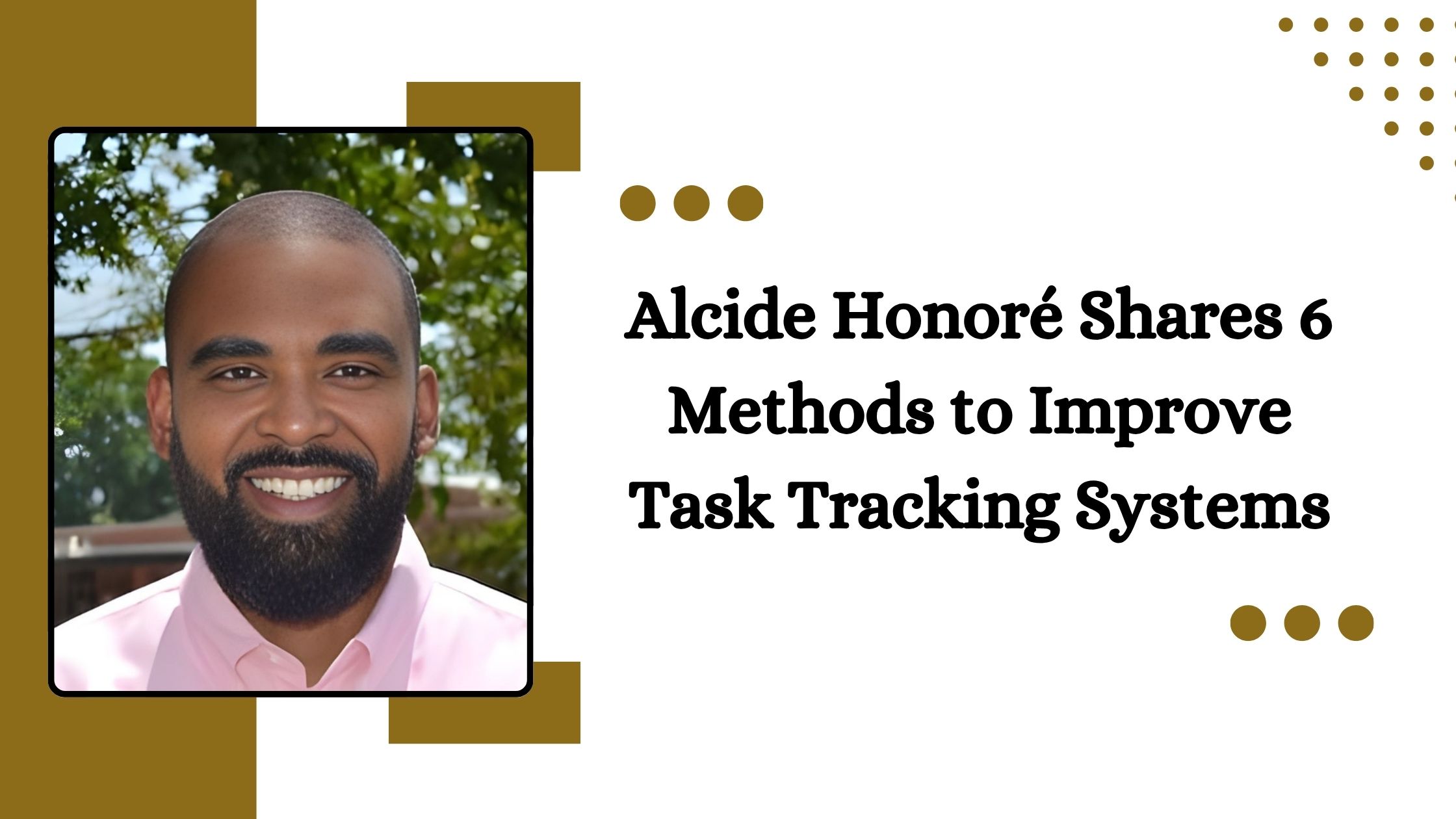
Alcide Honoré is the co-founder of Billseye Inc., a fintech platform that helps professionals track and monetize client communication. With over sixteen years of legal experience, he understands ho