


In today’s dynamic fashion landscape, party wear in the United States is no longer just about glamour — it’s about the perfect balance of style, comfort, and personal expression. As social gatherings evolve and consumers become savvier, brands must understand what drives purchase decisions, sentiment, and behavior in the U.S. party wear market. The latest Voice of Consumer insights from Grand View Research reveal compelling trends that are reshaping how Americans think about party attire.
Understanding the Consumer: Trends & Preferences
Party wear remains a special-occasion category, with about 70% of consumers reserving these clothes for specific events. Unlike everyday clothing, these outfits are associated with celebration, style, and self-expression.
Fashion is no longer one-size-fits-all. Shoppers increasingly demand size inclusivity and versatile designs that flatter a variety of body types and work for multiple settings — from cocktail parties to holiday events. Advanced technologies like AR/VR fitting rooms are reshaping how consumers interact with party wear, enabling virtual try-ons and personalized styling experiences.
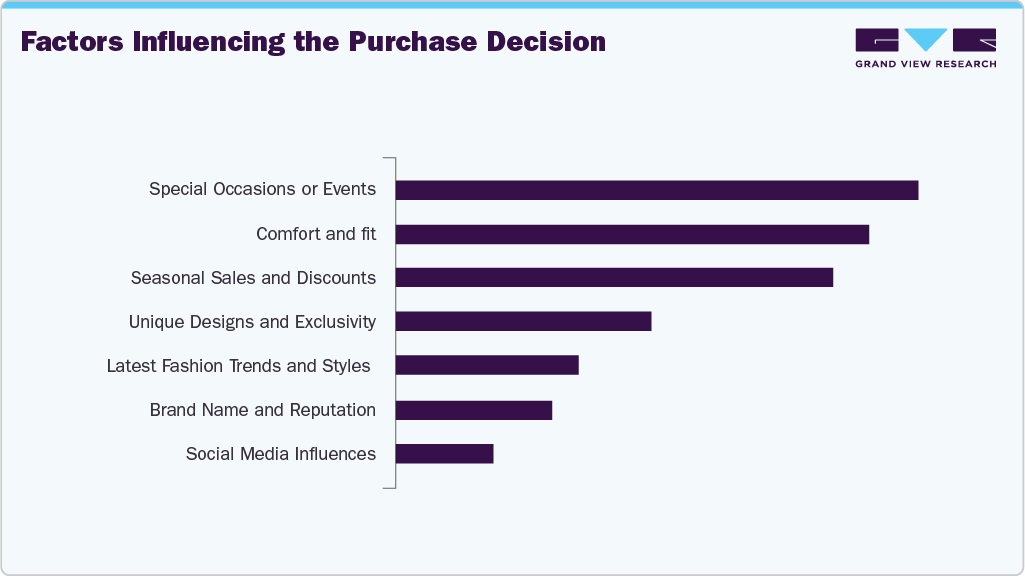
Alongside eye-catching styles — think sequins, bold colors, and nostalgic vintage fusion — U.S. consumers prioritize comfort and fit. These factors often outweigh traditional priorities like brand name alone.
How Shoppers Choose Party Wear
Unlike everyday fashion, party wear is typically a planned purchase. Roughly 70% of shoppers say they plan their party wear purchases ahead of time, as events and occasions are predictable and often budgeted for. Only about 11% report spontaneous buys.
When evaluating party wear, consumers focus most on:
Comfort & Fit – Ensures the outfit feels as good as it looks
Price & Value for Money – Especially important for high-end or designer pieces
Style & Versatility – A garment that works across multiple events is a bonus
E-commerce platforms like Amazon and Shein are the preferred shopping destinations for Millennials and Gen Z, offering convenience, variety, and competitive pricing. Boutique stores attract Gen Z keen on unique finds, while department stores remain a go-to for Millennials seeking curated collections.
Decode U.S. Party Wear Buying Behavior — Access Key Insights Now
Influences Impacting Purchase Decisions
While social media plays a role in trend discovery and awareness, it is less of a direct purchase driver compared to comfort, discounts, and seasonal offers. Shoppers are price-savvy and often time their purchases around sales events to maximize value.
Interestingly, brand consciousness is high, with about 80% of consumers paying attention to the brands they choose. This means that brands with strong reputations for quality and inclusivity are more likely to see repeat purchase behavior.
Conclusion
In the evolving U.S. party wear category, consumer choices are shaped by a nuanced interplay of style, comfort, and value. Shoppers are thoughtful, informed, and intentional; they want outfits that not only look great but feel great — and don’t break the bank. Brands that understand and respond to these priorities can build deeper loyalty and stronger market performance in this competitive space.

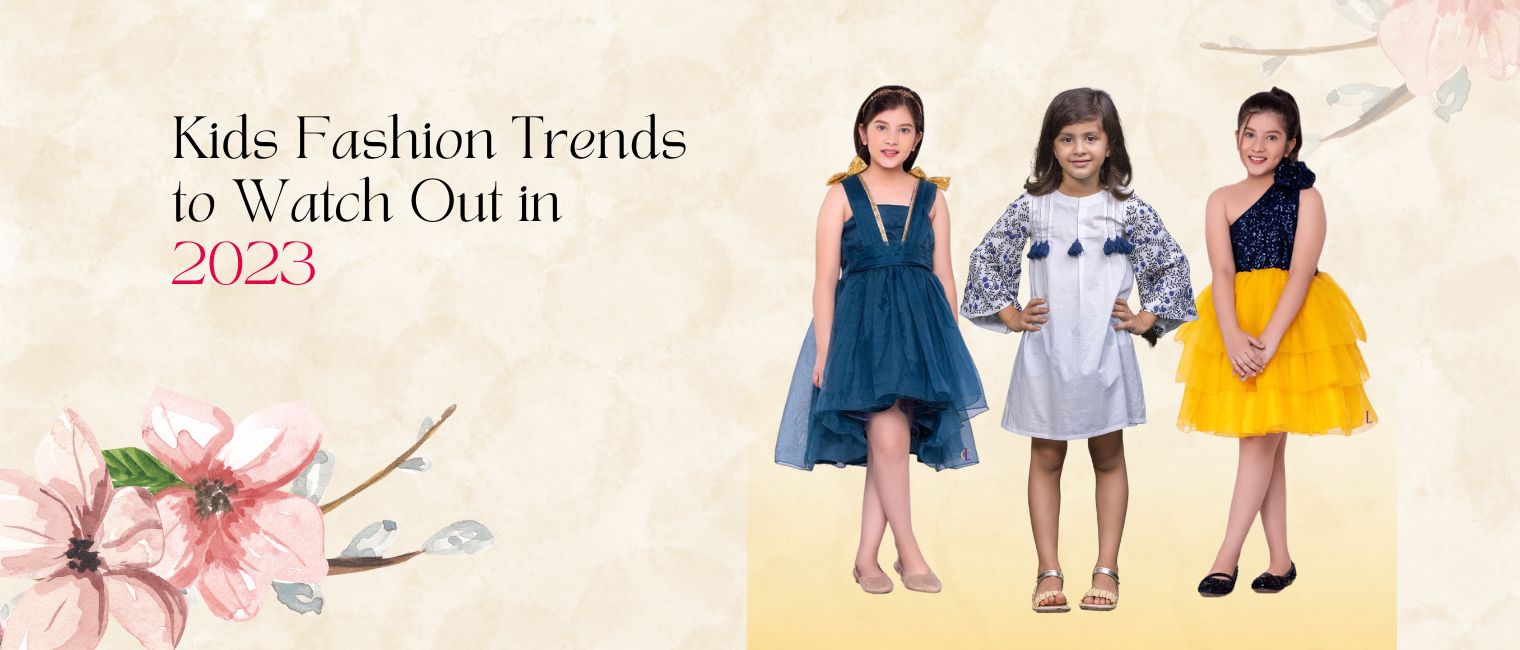
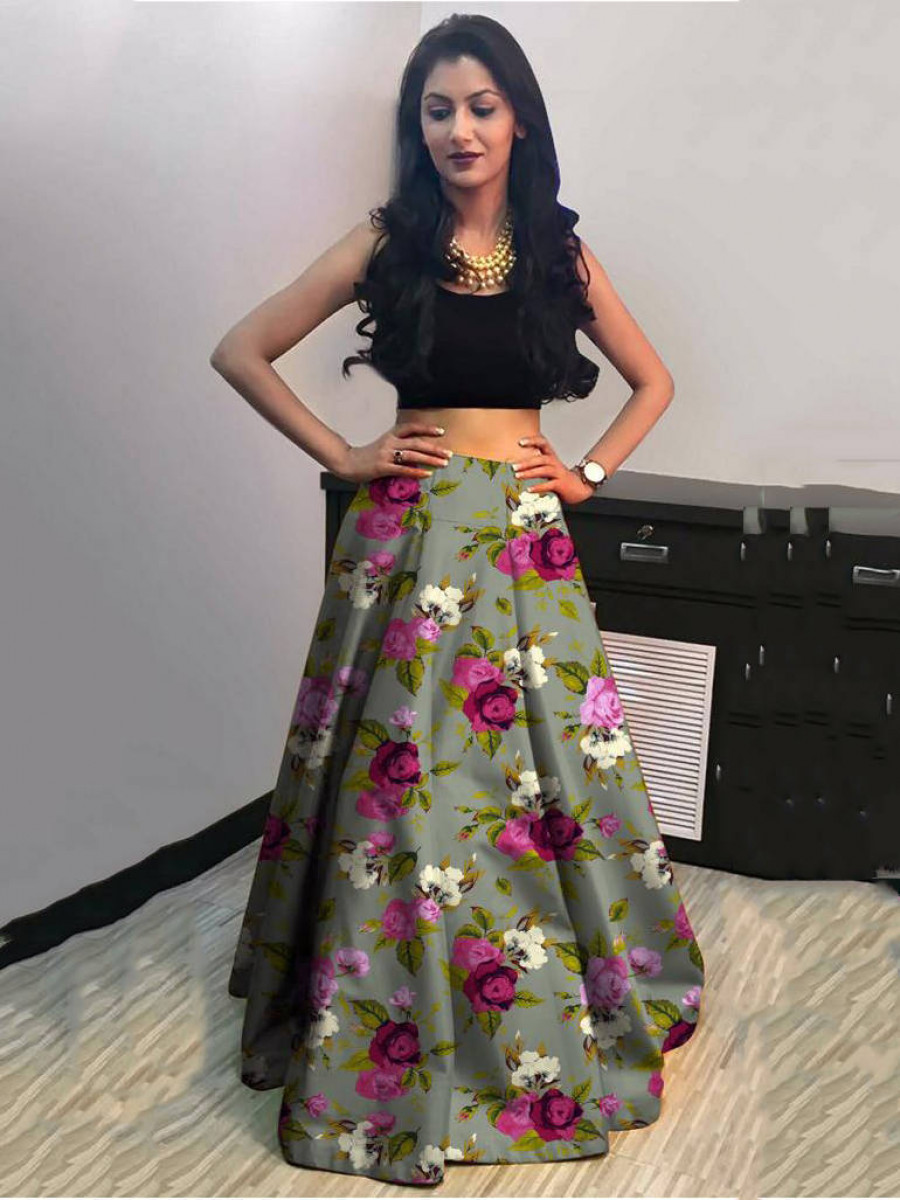
Party Wear Lehenga Choli- Shop for latest party wear lehenga, bollywood designer party wear lehenga choli Online from Ethnic Plus.
Browse from wide range of varieties and latest party wear lehenga designs.
With simply a Clear Selection of Color and Fabrics, you can Glam up your gathering look.
We host a gigantic assortment of online Get-together Wear Designer Lehenga Choli With the motivation Of Bollywood Celebrity and best Designers.
Banarasi Silk lehenga choli matched with Banarasi Dupatta for Ethnic Party Function, Black Lehenga with Golden Embroidery Work, Floral Printed Crop Top Lehenga, Glittery pullover lehenga choli, and some more.
Gathering Wear Lehengas are one of those design articulations that never bomb you.Gatherings are seen to be difficult to manage, from a large number of your closets, you will be out of choices.