


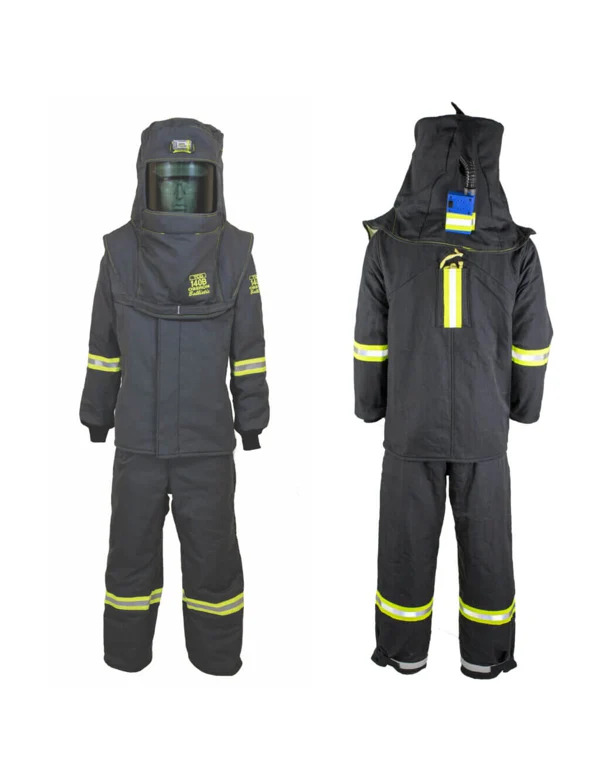
In environments where electrical energy reaches extreme levels, protective decisions leave no margin for error. A 140 cal suit represents the highest tier of arc rated protection available for real world industrial use. This level of PPE exists for situations where lower rated gear simply cannot manage the exposure risk. Safety teams rely on it when consequences become life critical rather than theoretical. Understanding why this protection matters begins with understanding the hazard.
What High Energy Arc Flash Really Means
Arc flash events release massive thermal energy within milliseconds. Temperatures can exceed those found on the surface of the sun. Pressure waves and molten metal add additional dangers beyond heat exposure alone.
When incident energy calculations exceed standard PPE ratings, protection must escalate accordingly. A 140 calorie rating protects workers when other solutions fall short. This level of exposure requires absolute preparation.
Why Lower Rated PPE Is Not Enough
Many electrical tasks fall within lower arc flash categories. High energy switching, large transformer maintenance, and utility scale equipment do not. These scenarios demand protection that anticipates worst case outcomes.
Lower rated PPE may fail catastrophically during extreme events. The purpose of maximum rated suits is survival, not comfort or convenience. Choosing protection becomes a technical decision, not a budget discussion.
Core Features That Define a 140 Cal Suit
Maximum protection suits combine layered materials, advanced face protection, and full body coverage. Every component works together to manage heat, pressure, and debris. Key features include:
- Multi layer arc rated fabrics designed for extreme thermal resistance.
- Fully enclosed hoods with integrated respiratory and visual protection.
- Reinforced seams and closures that maintain integrity under pressure.
- Gloves and footwear systems matched to the same protection level.
When This Level of Protection Becomes Mandatory
Not every task requires maximum protection. Certain environments make it non negotiable due to calculated exposure risk and operational constraints. Common high risk scenarios include:
Large scale utility substations with high fault currents.
- Industrial switchgear operating above typical commercial thresholds.
- Electrical testing during live commissioning phases.
- Emergency response tasks involving damaged high voltage equipment.
- In these environments, conservative safety decisions save lives.
Standards and Compliance Still Matter
A high calorie rating does not replace compliance requirements. Employers must still follow NFPA 70E, documented risk assessments, and proper training procedures. Safety professionals use calculated incident energy to justify PPE selection. A 140 calorie suit appears when numbers demand it, not as a default choice. Documentation supports accountability and consistent decision making.
Training Matters as Much as Equipment
Even the best PPE fails if workers misunderstand its use. Donning procedures, visibility limitations, and movement restrictions require preparation. This is where VideoGPT becomes valuable for safety teams. VideoGPT allows companies to create clear training videos that show correct usage in realistic scenarios. Visual demonstrations improve retention far better than written instructions alone. Training transforms equipment into effective protection.
Visualizing Risk Improves Compliance
Many workers underestimate arc flash hazards because they remain invisible until failure occurs. Showing consequences changes behavior quickly.
VideoGPT helps safety teams visualize arc flash scenarios without exposing workers to danger. These videos reinforce why maximum protection exists and when it must be used. Understanding risk improves compliance naturally.
Comfort Versus Survival Is Not a Debate
A 140 calorie suit restricts movement and adds weight. These limitations are intentional tradeoffs. Comfort becomes secondary when exposure risk crosses critical thresholds.
Workers accept these limitations when they understand the reasoning behind the selection. Clear communication prevents shortcuts and unsafe improvisation. Protection priorities must stay aligned with reality.
Integrating Face and Vision Protection
High energy exposure places extreme demands on facial protection. Visibility, heat resistance, and impact shielding must perform simultaneously. This is why integrated systems matter.
Many configurations pair full suits with advanced face protection like the Oberon Arc flash faceshield to maintain clarity and protection during critical tasks. This integration supports situational awareness without compromising safety. Vision remains essential even in extreme conditions.
Using VideoGPT for Ongoing Safety Education
Safety education cannot remain static. Equipment updates, procedural changes, and incident reviews require ongoing communication. VideoGPT supports this cycle efficiently.
Teams use VideoGPT to update training content, reinforce lessons learned, and maintain consistent messaging across sites. This approach scales safety knowledge without increasing risk. Education evolves alongside operations.
Why Maximum Protection Represents Responsibility
Selecting the highest level of PPE reflects organizational maturity. It signals that leadership values lives over convenience or cost savings. A 140 calorie suit exists because some risks cannot be mitigated any other way. When used correctly, it represents preparation at the highest level. Safety culture reveals itself through choices made before incidents occur.
High energy electrical work demands uncompromising standards. Maximum rated PPE exists for the most dangerous environments where mistakes carry irreversible consequences. Proper selection, training, and communication make that protection effective. With the right equipment and tools like VideoGPT supporting education, organizations build safer outcomes even in the most extreme conditions.
Let us investigate the marvel.The Rise of Online Gaming and StreamingIn the previous four decades, internet gaming has gotten one of the world's greatest media outlets.
As per a 2011 report by Entertainment Software Association, the normal age of a gamer in the United States is 37 and 42 percent of these gamers are female.Probably the greatest pattern today, in live spilling isn't music (as you may have recently accepted), yet serious gaming.
Various destinations today, providing food explicitly to gamers and their fans stream e-sport occasions.
Own3D.tv started online computer game spilling in 2010, and at present, the site gets more than 4,000,000 one of a kind watchers a month for computer game live streams.
June 2011 saw more than 200,000 simultaneous watchers viewing a Dreamhack challenge (which is based around League of Legends, another well known game) on Own3D, with around 250 GBps of traffic through the occasion.What's more, live video spilling seller Justin.tv saw e-sports video gushing develop at such a fast rate, that they committed a whole site to it.
It has additionally gotten more than 80,000 downloads of its iPhone portable application in under a month of the application's dispatch.
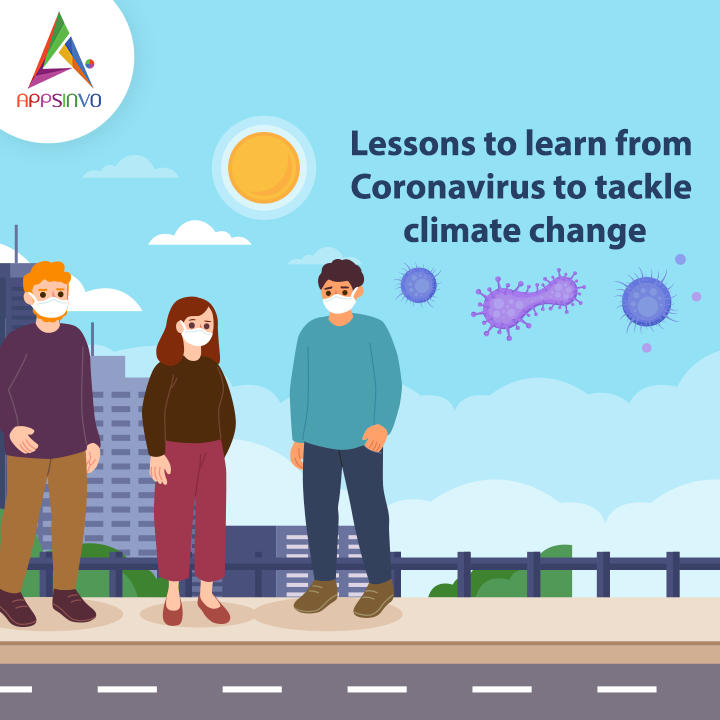
Due to the coronavirus lockdown, we all are living in our homes and in this situation, we can feel the world is becoming quieter.
Due to this lockdown entire world is experiencing some changes around them, in their daily routine and the need to stop travel for the sake of human health.
From cancellation of the vacation trip to wash your hands strictly or having work from home, without a doubt it affects our daily life, in fact, our carbon footprints.
Read More at : https://www.appsinvo.com/blog/how-the-coronavirus-outbreak-benefits-climate-change/Follow Us onAppsinvo | Behance | Facebook | Instagram | Linkedin | Dribbble | Twitter | Tumblr | Pinterest | Flickr