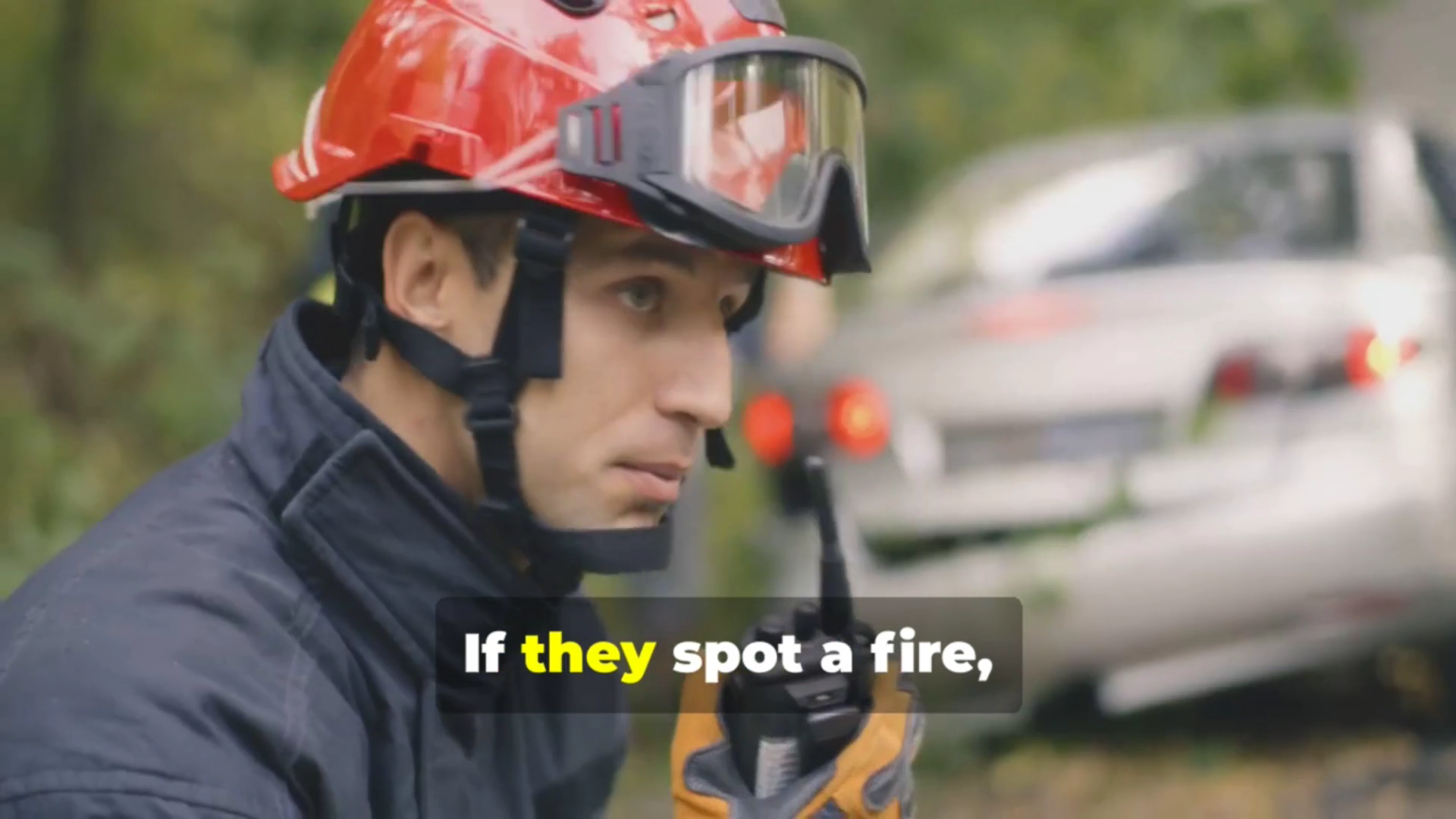
Industrial facilities, especially large ones, are at high risk for fire hazards due to the presence of flammable materials, complex machinery, and heavy equipment. Protecting assets within such facilities is crucial, and fire prevention is key to maintaining safety and minimizing the financial impact of potential disasters. One of the most effective ways to ensure this is through the presence of fire watch guards. These professionals play a vital role in maintaining a safe environment and safeguarding valuable assets. In this article, we will explore how fire watch guards help protect assets in large industrial facilities.
What Are Fire Watch Guards?
Fire watch guards are trained professionals assigned to monitor and manage fire risks in environments where regular fire prevention measures might be temporarily inadequate or unavailable. Their primary function is to patrol facilities, identify potential fire hazards, and take immediate action if a fire emergency arises.
These professionals are especially important during situations where fire systems are being serviced, when construction work is taking place, or in locations where automated fire detection systems are not fully operational. In large industrial facilities, fire watch guards ensure continuous surveillance, reducing the likelihood of fires and minimizing the damage caused in the event of an emergency.
Importance of Fire Watch Guards in Large Industrial Facilities
Large industrial facilities often contain a variety of combustible materials, machinery, and high-risk areas, making them more susceptible to fire hazards. The consequences of a fire in such environments can be disastrous, resulting in damage to equipment, injury to personnel, and significant financial losses. Fire watch guards provide critical support in these settings by ensuring early detection, preventing incidents, and responding rapidly to any signs of fire. Their importance cannot be overstated, as they offer proactive fire prevention strategies, emergency response, and peace of mind.
How Fire Watch Guards Help in Preventing Fires
Continuous Monitoring and Surveillance
Fire watch guards are tasked with constant vigilance. They patrol the facility regularly, inspecting areas that are prone to fire hazards. This includes monitoring hot work areas (welding, cutting, etc.), checking for faulty electrical systems, inspecting storage areas for flammable materials, and ensuring all fire exits are clear. Their presence acts as a deterrent to potential fire-related accidents, and they are trained to notice early warning signs of fire risk, which might go unnoticed by others.
Conducting Fire Inspections
Routine inspections by fire watch guards are vital to ensuring the safety of the facility. These inspections may include checking fire alarms, sprinklers, and extinguishers, ensuring that all firefighting equipment is fully operational and available for immediate use. If any equipment is found to be faulty, the fire watch guard can take immediate steps to either repair or report the issue, preventing any delays during an emergency.
Identifying Fire Hazards
One of the key roles of fire watch guards is to identify and address potential fire hazards before they escalate. These hazards can include exposed wiring, accumulation of combustible materials near heat sources, improperly stored chemicals, or faulty machinery. Fire watch guards have the knowledge and expertise to recognize such risks and act quickly to mitigate them, whether through adjusting safety protocols, notifying management, or removing hazards directly.
The Role of Fire Watch Guards During Hot Work
Hot work, such as welding, cutting, or grinding, is a common activity in industrial environments that often carries a risk of fire. Sparks, molten metal, and heat from such operations can easily ignite nearby combustible materials, leading to a fire. Fire watch guards are especially important during hot work because they are trained to monitor these high-risk areas and take immediate action if a fire breaks out. This can involve using a fire extinguisher, activating alarms, or alerting emergency services.
Before any hot work is performed, fire watch guards inspect the area to ensure it is safe. They assess the worksite for combustible materials, ensure proper fire safety equipment is available, and monitor the surrounding area during the activity. After the work is completed, the fire watch guard continues to monitor the area for any signs of smoldering or potential ignition, reducing the risk of fire hours after the work has concluded.
Fire Watch Guards and Emergency Response
Immediate Action During a Fire Emergency
In the event of a fire, fire watch guards are the first line of defense. They are trained to act quickly and decisively, ensuring the safety of personnel and minimizing damage to the facility. Their responsibilities may include activating fire alarms, assisting with evacuations, using fire extinguishers, and notifying emergency services. Their quick response can help contain the fire before it spreads, potentially saving the facility from catastrophic damage.
Evacuation Procedures
During a fire emergency, fire watch guards play a crucial role in ensuring the safe evacuation of all personnel. They are trained to direct workers to the nearest safe exit, assisting anyone who may need help in evacuating the building. Their knowledge of the facility’s layout, emergency exits, and evacuation routes is critical to ensuring that everyone leaves the building safely.
Fire Watch Guards Ensure Compliance with Fire Safety Regulations
In large industrial facilities, there are numerous local, state, and federal regulations governing fire safety. Fire watch guards are often responsible for ensuring compliance with these regulations. This includes ensuring that fire suppression systems are installed and functioning properly, checking that fire exits are unobstructed, and confirming that all personnel are trained in fire safety protocols. By maintaining compliance with these standards, fire watch guards help prevent costly fines and legal issues while ensuring the facility operates within the law.
How Fire Watch Guards Protect Valuable Assets
Prevention of Property Damage
The primary responsibility of fire watch guards is to prevent fires from occurring, which protects valuable property and equipment from damage. A fire, even a small one, can cause substantial harm to machinery, inventory, and physical structures. Fire watch guards actively monitor and mitigate risks, reducing the likelihood of a fire breaking out and ensuring that assets are safeguarded.
Business Continuity
A fire can disrupt operations, halt production, and lead to expensive repairs and replacement of damaged equipment. Fire watch guards ensure that potential fire hazards are addressed quickly and proactively, allowing the business to continue operating smoothly without unnecessary interruptions. The presence of these guards provides an extra layer of security for both employees and valuable assets, allowing industrial facilities to focus on production and growth without the constant threat of fire-related incidents.
Conclusion
Fire watch guards are indispensable in ensuring the safety and protection of assets in large industrial facilities. They perform a range of functions, from continuous surveillance to immediate response during emergencies, all aimed at preventing fires and minimizing their impact. By identifying potential fire hazards, conducting regular inspections, and ensuring compliance with fire safety regulations, fire watch guards help reduce the risk of damage to property, equipment, and personnel. In a world where industrial fires can result in significant losses, the presence of trained fire watch guards can make the difference between a minor incident and a catastrophic event.
FAQs
1. What qualifications do fire watch guards need?
Fire watch guards typically need training in fire safety protocols, emergency response, and firefighting techniques. They may also need certifications based on local regulations or industry standards.
2. How do fire watch guards detect fire hazards?
Fire watch guards are trained to identify signs of potential fire hazards, such as exposed wiring, the presence of flammable materials near heat sources, and malfunctioning fire safety equipment. Their training allows them to address risks before they turn into major problems.
3. Can fire watch guards prevent all fires?
While fire watch guards play a critical role in fire prevention, not all fires can be completely avoided. However, their vigilance significantly reduces the likelihood of a fire occurring and ensures quick action if one does.
4. How do fire watch guards respond in an emergency?
In an emergency, fire watch guards are trained to take immediate action, which includes using fire extinguishers, sounding alarms, directing evacuations, and contacting emergency services to contain the fire quickly.
5. Are fire watch guards required by law?
In many industries, fire watch guards are required by law when certain conditions, such as hot work or the use of hazardous materials, are present. Local regulations and industry standards often dictate when fire watch services are necessary.

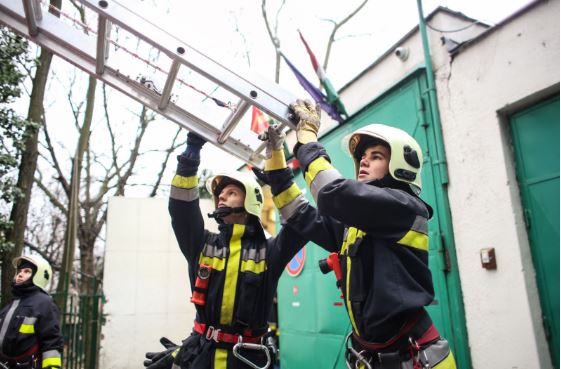

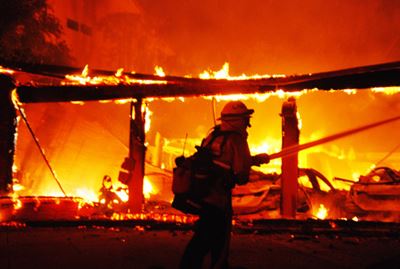
Hiring the best fire watch guards is an excellent idea for any organization that aims to protect its residents and property from risks of fire.
Although many buildings have operational fire system alarms, the fire system does not guarantee full protection against the dangers of fire.
Many companies have been closed because of huge fines charged by the relevant authorities because of failing to provide reliable protection againstthe risk of fire.
This article discusses some of the top benefits of hiring reliable fire watch guards, such as the fast fire watch guards, to offer adequate protection against any fire outbreak in your company or building.
Some of those benefits are;Guaranteed protection against fire hazardsUnlike the fire systems that can fail use to some technical errors, the fire watch guards can never fail you.
Therefore when you hire the fire watch guard, you will be guaranteed 24/7 protection in all parts of your premises.All-time monitoring and patrollingHiring a fire watch guard will help you to enjoy continuous patrolling around your premises.