Governments today operate in an environment shaped by fast-moving information, digital threats, and complex public safety challenges. From national security to public opinion analysis, the ability to turn raw data into meaningful insight is no longer optional. This is why selecting the right intelligence analysis tools for government has become a strategic decision rather than a technical one.
The right tools don’t just process data—they support better judgment, faster response times, and more informed policy decisions.
Why Intelligence Analysis Tools Matter in Government Work
Government agencies deal with vast amounts of information every day. This data comes from open sources, internal reports, digital platforms, and public records. Without proper analysis tools, valuable signals can easily be missed.
Intelligence analysis tools help agencies:
- Identify patterns and trends hidden in large datasets
- Assess risks and emerging threats
- Support investigations and operational planning
- Improve coordination across departments
When used correctly, these tools strengthen decision-making while maintaining accountability and transparency.
Key Factors to Consider When Choosing the Right Tool
Not all intelligence analysis tools are built for government use. Agencies must evaluate tools based on their mission, legal obligations, and operational scale.
- Data Source Coverage: A reliable tool should support multiple data types, including open-source intelligence, structured databases, documents, and digital content. Broad coverage ensures analysts can see the full picture rather than isolated fragments.
- Accuracy and Validation: Government decisions often carry real-world consequences. Intelligence analysis tools must provide reliable outputs and allow analysts to verify sources easily. Built-in validation and cross-checking features reduce the risk of acting on incomplete or misleading information.
- Legal and Ethical Compliance: Compliance is non-negotiable. Tools must support lawful data collection and align with privacy regulations, data protection laws, and internal policies. Ethical intelligence gathering builds public trust and protects agencies from legal exposure.
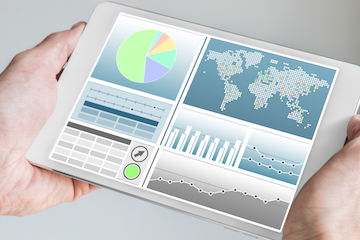
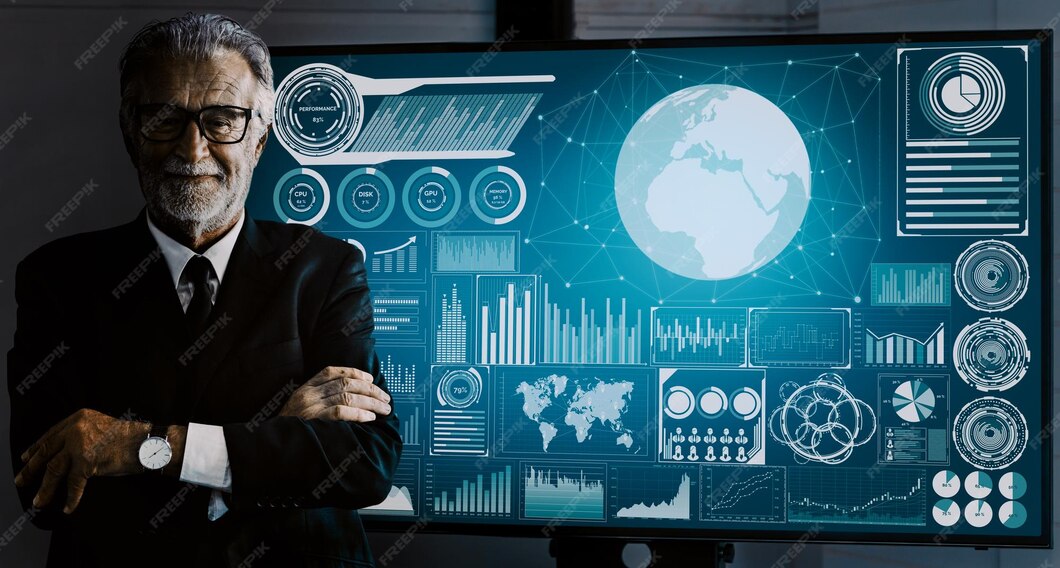
- Usability for Analysts: Even the most powerful platform is ineffective if it’s difficult to use. Government analysts benefit from tools that offer clear visualizations, intuitive workflows, and customizable dashboards. Ease of use leads to faster adoption and better outcomes.
- Scalability and Security: Government operations evolve. Intelligence analysis tools should scale with growing data volumes while maintaining strong security controls. Secure access management and audit trails are essential in sensitive environments.
Common Use Cases Across Government Agencies
Different government bodies use intelligence analysis tools in different ways, but the core objectives remain similar.
- National security teams analyze threats and geopolitical developments
- Law enforcement agencies support investigations and crime prevention
- Cybersecurity units monitor digital risks and online activity
- Policy makers rely on intelligence insights to guide long-term planning
In each case, the tool must adapt to the agency’s specific operational needs.
Avoiding Common Mistakes in Tool Selection
One common mistake is choosing tools based solely on popularity or cost. What works for one agency may not work for another. Another challenge is underestimating training requirements. Intelligence tools are most effective when analysts are properly trained and supported.
Government agencies should also avoid over-automation. While technology accelerates analysis, human judgment remains essential for context, interpretation, and accountability.
The Future of Intelligence Analysis in Government
As data volumes continue to grow, intelligence analysis tools will become even more central to government operations. The future lies in platforms that combine automation with analyst control, integrate multiple intelligence sources, and support collaboration across agencies.
Choosing the right tools today lays the foundation for resilient, informed, and responsible governance tomorrow.
Conclusion
Selecting the right intelligence analysis tools for government is about more than software—it’s about empowering people to make better decisions. By focusing on accuracy, compliance, usability, and security, government agencies can transform complex data into actionable intelligence.
When the right tools are paired with skilled analysts and clear policies, governments are better equipped to protect public interests, respond to emerging challenges, and operate with confidence in an increasingly data-driven world.



But profits are about increasing the income and cutting on expenses that might be lowering your income for no good reason.
So, any methodology that can considerably cut down the expenses of companies is always welcome.
Services from data analytics companies are helping businesses cut down expenses in more ways than one.
They are helping businesses track some very useful data and draw insights that help in making important business decisions especially with the aim of managing and reducing expenses in the long run.
Enhancing the Staff Selection Process:
The never-ending hassle faced by the human resource department of any company is employee turnover and the excess cost that accompanies it.