

Most of us grow up hearing the same advice: brush twice a day, floss regularly, and visit the dentist when something hurts. It sounds simple enough. But what many people don’t realize is that oral health isn’t just about teeth or gums. The condition of your mouth can quietly influence how the rest of your body feels too.
It’s not always dramatic. Sometimes it shows up as headaches that don’t seem to have a clear cause, trouble sleeping because of jaw tension, or even changes in eating habits because chewing becomes uncomfortable. These things build slowly, which is why they’re easy to overlook.
Dentists today often talk about oral health as part of overall wellness. At places like Brook Hollow Family Dentistry, conversations with patients often include not just dental care, but how small oral issues can affect daily comfort and general health over time.
The Mouth Isn’t Separate From the Body
It might sound obvious, but it’s worth saying — your mouth is connected to everything else. Blood circulation, nerves, muscles, and bacteria all interact constantly. When your oral health is stable, this system works smoothly. When problems develop, the effects can ripple outward.
For instance, gum irritation may not always remain confined to the gum areas. Gum irritation may cause irritation in the mouth, as well as make a person feel tired simply because the body is irritated.
This doesn’t mean every health concern starts with dental issues. But ignoring oral health problems can make overall well-being harder to maintain.
Gum Issues Often Start Quietly
Gum problems rarely begin with severe pain. More often, people notice small things — a bit of bleeding while brushing, mild swelling, or breath that doesn’t stay fresh despite good hygiene.
Because these symptoms seem minor, they’re easy to ignore. Over time, though, untreated gum irritation can lead to:
- Ongoing oral discomfort
- Sensitivity while eating
- Persistent bad breath
- Gradual weakening of gum support
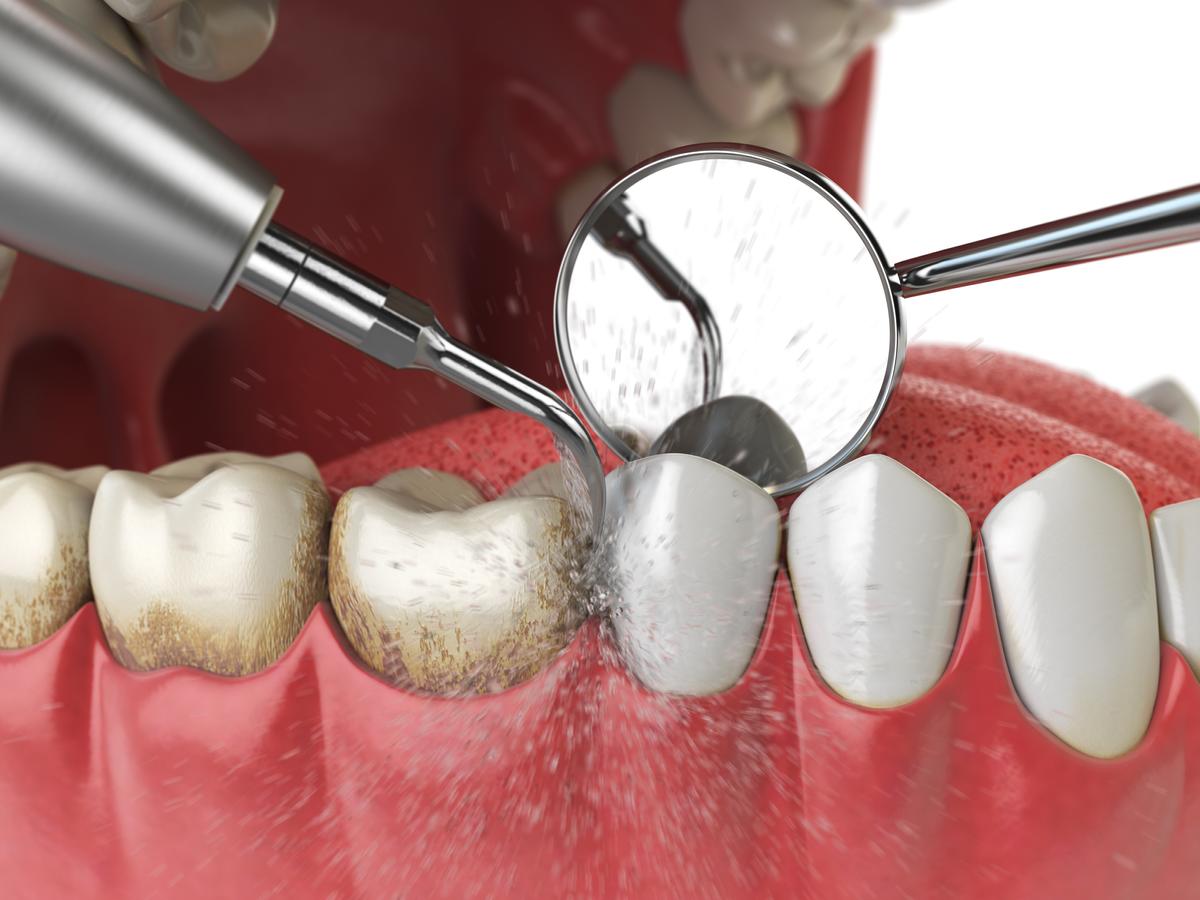
Early care usually keeps things manageable. Professional cleaning, better brushing habits, and routine checkups often prevent progression.
That preventive mindset is something dental teams, including Brook Hollow Family Dentistry, consistently emphasize because it saves patients discomfort later.
Cavities Can Affect More Than Teeth
Tooth decay is another issue people sometimes delay addressing. If it doesn’t hurt yet, it feels less urgent. But cavities tend to deepen gradually.
When decay progresses, people might experience:
- Pain while chewing
- Sensitivity to temperature
- Interrupted sleep from discomfort
- Avoidance of certain foods
When eating becomes painful, nutritional changes can be made without people even noticing. Foods that are softer in consistency will replace foods that are more nutritious but require chewing.
Early treatment of decay will quickly alleviate pain and prevent problems from becoming more serious.
Teeth Grinding Is Surprisingly Common
Many people grind their teeth without knowing it. For some people, it’s linked to stress, poor sleep, or simply how their teeth naturally fit together.
Grinding doesn’t always cause immediate pain, but over time it can lead to:
- Morning headaches
- Jaw stiffness
- Tooth wear
- Facial muscle tension
Some people only realize it’s happening when a dentist points out worn enamel or jaw strain.
Simple interventions like night guards, stress awareness, or bite adjustments often bring noticeable relief.
Missing Teeth Change Daily Habits
Tooth loss isn’t only cosmetic. It often changes how people eat. Crunchy vegetables, nuts, or certain proteins might suddenly feel difficult to chew.
That can influence:
- Nutritional intake
- Digestive comfort
- Confidence while eating socially
Modern restorative dentistry offers solutions that help people return to comfortable eating, which supports overall health as well.
Oral Discomfort Can Affect Energy Levels
This is something patients don’t always connect. Chronic mild pain — even if it’s not severe — can disrupt sleep or cause constant low-level stress on the body.
Poor sleep alone can affect:
- Energy levels
- Mood
- Concentration
- Daily productivity
Fixing underlying dental problems often improves sleep comfort, sometimes more than people expect.
Signs You Should Probably Get Checked
You don’t have to wait for serious pain. Subtle symptoms are often early indicators.
Things worth paying attention to include:
- Bleeding gums
- Persistent bad breath
- Jaw clicking or stiffness
- Tooth sensitivity
- Frequent tension headaches
- Teeth feeling uneven while biting
None of these automatically signal major problems, but they’re good reasons for a dental evaluation.
Daily Habits Still Matter Most
Despite all the advanced dental treatments available today, basic habits remain the foundation of oral health.
Consistent routines help prevent most problems:
- Thorough brushing twice daily
- Regular flossing
- Drinking enough water
- Balanced diet with limited sugar
- Replacing worn toothbrushes
These steps sound simple because they are — but consistency makes the difference.
Why Regular Dental Visits Help More Than Expected
Dentists can spot early changes that aren’t visible at home.
Routine visits often include:
- Professional cleaning
- Bite alignment assessment
- Early cavity detection
- Gum health monitoring
At Brook Hollow Family Dentistry, preventive visits are typically framed as part of maintaining overall comfort, not just fixing problems.
Lifestyle Plays a Role Too
Oral health doesn’t exist in isolation. Daily lifestyle habits matter more than most people think.
Common influences include:
- Stress levels
- Sleep quality
- Diet choices
- Tobacco use
- Hydration
Improving these areas supports both oral health and general wellness.
Final Thoughts
Problems with oral health do not necessarily remain confined to the mouth. Gum problems, undiagnosed cavities, grinding, or missing teeth can eventually affect comfort, eating patterns, sleep, and overall lifestyle.
The positive aspect is that most oral health problems can be dealt with, especially if they are diagnosed in time.
Practices like Brook Hollow Family Dentistry focus not only on treatment but also on helping patients understand how oral health connects to overall well-being.
Looking after your oral health goes far beyond keeping your smile attractive. It’s about feeling comfortable, eating well, sleeping better, and supporting long-term health in ways people sometimes don’t expect.