





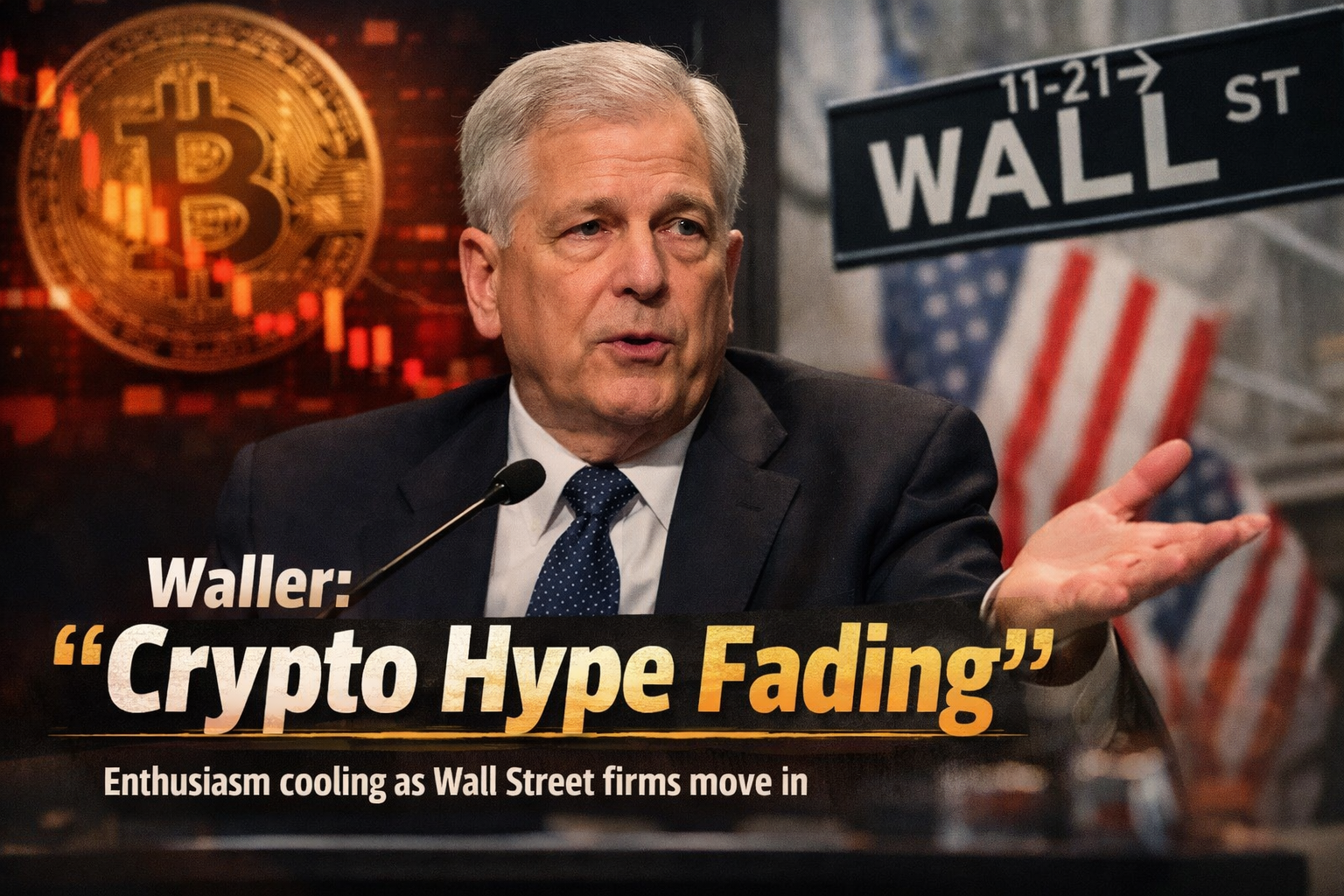
Chris Waller didn’t try to dress it up.
The Federal Reserve governor was asked about the recent crypto sell-off and treated it like something he’s seen before. Because he has. At a conference on Monday, Waller said the surge of excitement that followed Donald Trump’s election win has cooled now that crypto is more tangled up with traditional finance.
The mood changed when the players changed.
As more Wall Street firms moved in, the trading stopped looking like early-cycle crypto. Big firms manage risk for a living. When volatility hits, they don’t wait it out. They reduce exposure. According to Waller, that routine repositioning helped push prices lower. Not fear. Not panic. Just firms doing what they always do.
He didn’t sound concerned. Crypto goes up. Crypto comes down. That’s the deal. People make money. People lose money. Waller said anyone who can’t live with that probably shouldn’t be there in the first place.
Bitcoin’s numbers back up the point. After touching roughly $125,000 in October, it’s down about 45%, trading near $69,500 after briefly slipping below $60,000 late last week. For Waller, that kind of swing doesn’t mean the market is broken. It means it’s volatile. Always has been.
What’s weighing on sentiment more, he said, is Washington. Congress still hasn’t passed a crypto market structure bill, leaving firms unsure how digital assets will be regulated. That uncertainty matters, especially for institutions that don’t like guessing games.
Waller also spoke about the Fed’s plan to introduce limited payment accounts for fintech and crypto firms. The idea often called “skinny” master accounts would give access to the payments system without the full privileges banks enjoy. No interest. Balance limits. Fewer bells and whistles. The comment period just closed, and Waller said the Fed is now sorting through a heavy stack of feedback, with hopes of finalizing the plan by the end of the year.
To him, the crypto hype fading isn’t a red flag. It’s what happens when an industry stops feeling new and starts behaving like the rest of finance.


But how fast?The global supply chains are being restored.
But inflation is now a new and significant market factor.Added to that, vaccination in most parts of the world is moving forward at a sluggish pace.
And commodity markets are behaving in an uneven fashion.Read more on the changing pace of the world economy and more by clicking on the link below.https://transfin.in/commodities-supply-chains-and-structural-changes-in-demand
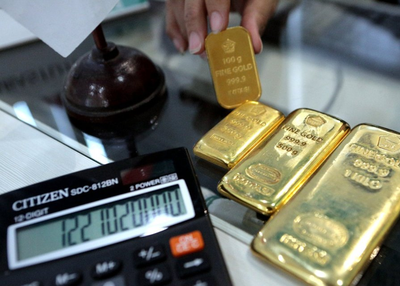
Emas - The price of Antam's gold today rose to Rp 6,000 to Rp 758.000 per gram.
The strengthening of the gold price Antam as menanjaknya world gold prices due to concerns the attitude of the United States related to Hong Kong can have an impact on the trade deal with China.
As for the price of gold futures closed up 0.7% to US$ 1,494.
Three of them related to the protests pro democracy protests in Hong Kong.
"A lot of people think this (U.S. laws of Hong Kong) will hinder the negotiation of rates.
Once again, when the tariff is questionable, people run to gold," said Michael Matousek, Head Trader at Global Investors US.

The week ahead: After a puzzling absence of new occupations, a huge number of US information will be a major ordeal
Monetary information could trump all else in the week ahead, Local Advertising Promotion subsequent to procuring in February seemed to tumble off a precipice, raising new worries about the economy.
January's deferred retail deals report, solid products, and February's CPI swelling information all interpretation of included noteworthiness, especially since there has been a blended stream of financial information of late.
The report Friday of only 20,000 nonfarm payrolls made in February was amazingly feeble, contrasted with the normal 180,000 occupations.
You go from 310,000 occupations to 20,000.
I think we think back in the course of recent months and we had that extremely disillusioning December retail deals number.