





The kitchen is one of the most frequently used spaces in Australian homes, and at the centre of it all sits a surprisingly important fixture: the kitchen faucet. Often overlooked during renovations or new builds, the right kitchen sink faucet can influence everything from daily convenience to long-term water efficiency.
With Australian households placing increasing value on sustainability, durability, and practical design, understanding what makes a good kitchen faucet has never been more relevant.
Why the Kitchen Faucet Matters More Than You Think

In most homes, the kitchen faucet is used dozens of times a day. From rinsing vegetables to filling kettles and cleaning cookware, it plays a constant supporting role in daily routines.
A poorly chosen kitchen sink faucet can lead to splashing, awkward reach, or unnecessary water waste. On the other hand, a well-matched faucet complements the sink, suits household habits, and performs reliably over time.
In Australian kitchens—where open-plan layouts and multifunctional spaces are increasingly common—functionality and aesthetics often go hand in hand.
Common Types of Kitchen Sink Faucets in Australia
Australian homes feature a wide variety of kitchen faucet styles, each suited to different needs and layouts.
Mixer Faucets
Mixer taps remain one of the most popular choices. They allow easy temperature control through a single lever, making them practical for busy households and accessible for all age groups.
Pull-Out and Pull-Down Faucets
These kitchen sink faucets feature a flexible spray head that extends from the spout. They are commonly used in larger sinks and are useful for rinsing produce or cleaning the sink basin itself.
Gooseneck Faucets
With a high, curved spout, gooseneck kitchen faucets provide ample clearance for tall pots and pans. They are frequently chosen for modern Australian kitchens with deep sinks.
Wall-Mounted Faucets
Though less common, wall-mounted kitchen faucets can be found in heritage homes or custom renovations. They offer a clean bench appearance but require careful plumbing planning.
Materials and Finishes That Suit Australian Conditions

Australia’s diverse climate means durability matters. Coastal areas, in particular, may require materials resistant to corrosion.
- Common finishes seen in Australian kitchens include:
- Chrome, known for its reflective finish and ease of cleaning
- Brushed stainless steel, valued for hiding fingerprints
- Matte black, increasingly used in contemporary interiors
While finish affects appearance, internal components—such as ceramic cartridges—often determine how well a kitchen sink faucet performs over time.
Water Efficiency and Australian Standards
Water conservation is a significant consideration in Australia. Many homeowners look for kitchen faucets that support efficient water use without compromising performance.
Kitchen faucets sold locally are typically assessed under the WELS (Water Efficiency Labelling and Standards) scheme, which provides guidance on water consumption. Choosing a kitchen sink faucet with an appropriate WELS rating can support household sustainability goals while remaining compliant with local standards.
Installation and Sink Compatibility
Not every kitchen faucet suits every sink. Factors such as bench thickness, tap hole configuration, and sink depth all influence compatibility.
For example:
- Deep sinks often pair well with taller spouts
- Compact kitchens may benefit from streamlined faucet designs
- Double sinks may require extended swivel ranges
Australian plumbers often recommend considering installation requirements early to avoid unnecessary modifications later.
What Homeowners Say
“We didn’t realise how much difference the right kitchen faucet would make until we replaced ours. Everyday tasks feel easier now.”
— Melbourne homeowner
“Our old kitchen sink faucet constantly splashed water everywhere. Choosing one with better height and reach changed how we use the space.”
— Brisbane apartment resident
These experiences reflect a common theme: small fixture decisions can have a noticeable impact on daily life.
Maintenance and Longevity
Even a high-quality kitchen faucet benefits from basic maintenance. Regular cleaning prevents mineral buildup, especially in areas with hard water. Periodic checks for leaks or reduced flow can help extend the lifespan of a kitchen sink faucet and avoid larger plumbing issues.
Many Australian households prioritise fixtures that are easy to maintain and supported by readily available replacement parts.
Final Thoughts
The kitchen faucet may be a modest element in kitchen design, but its influence is anything but small. For Australian homes, choosing the right kitchen sink faucet involves balancing functionality, efficiency, and compatibility with lifestyle needs.
By understanding faucet types, materials, and local standards, homeowners can make informed decisions that support both everyday convenience and long-term performance—without overcomplicating the process.


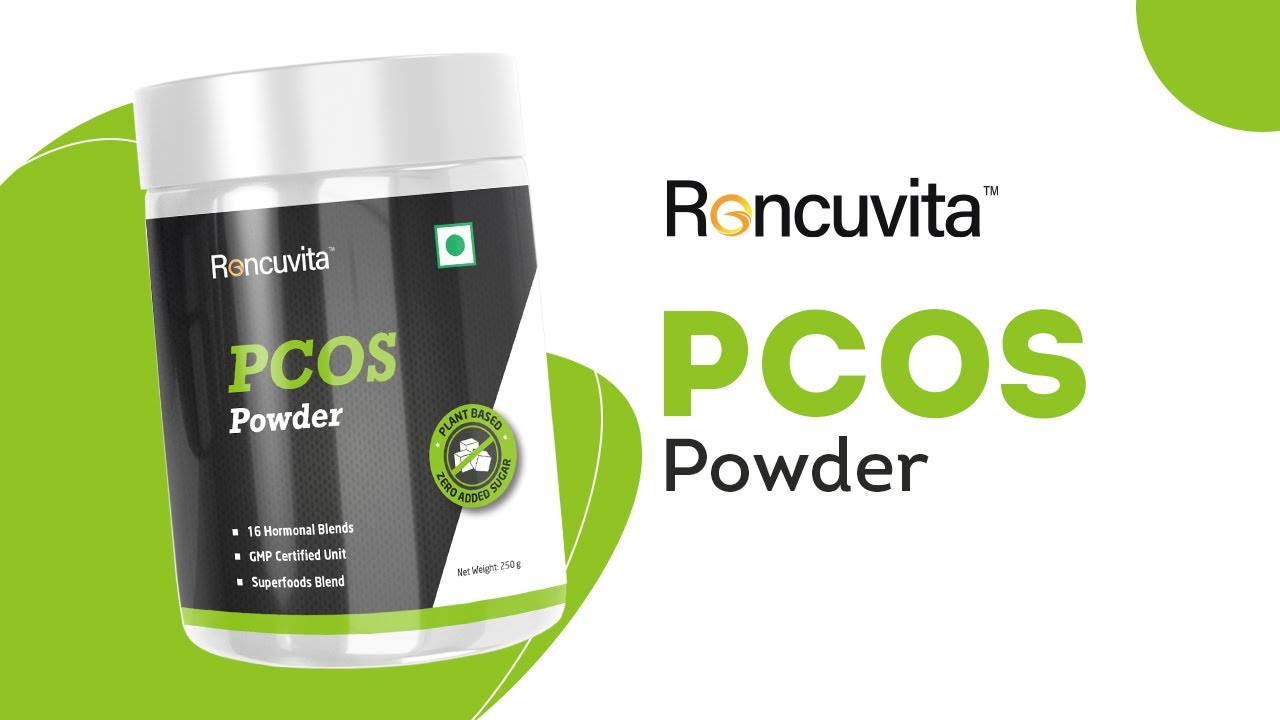
While Polycystic Ovary Disorder (PCOS) is really normal, there are some significant things that ladies need to think about it.
The best thing to do is to be as educated as possible become genuine.