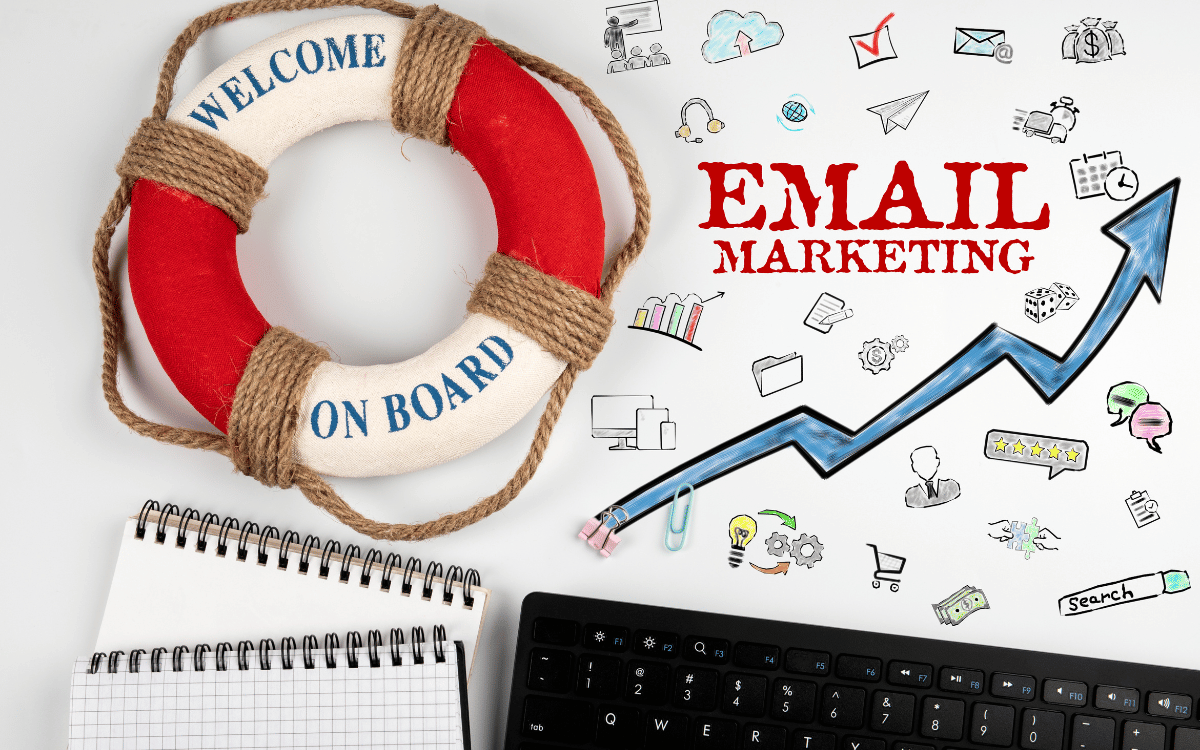
In the rapidly shifting landscape of digital communication, where social media platforms rise and fall with the seasons, one medium remains the undisputed titan of ROI: Email Marketing. As we navigate through 2026, the "death of email" narrative has been thoroughly debunked. Instead, we are witnessing a renaissance transformation of the inbox from a simple message board into a hyper-personalized, AI-driven experience.
With daily email traffic reaching a staggering 347 billion messages and global users projected to hit 5.61 billion by 2030, the stakes for digital marketers have never been higher. This post explores the critical statistics, recent updates, and strategic shifts defining email marketing in 2026.
The Unmatched ROI of the Digital Inbox
The most compelling argument for email marketing remains its financial efficiency. In 2026, businesses across the globe are reporting an average return of $36 to $42 for every $1 invested. This unparalleled efficiency is driving massive market growth; the email marketing industry is currently expanding at a CAGR of 13.3%, on track to become a $17.9 billion powerhouse by 2027.
Why does it remain so profitable? Unlike social media algorithms, which act as "middlemen" between brands and their audiences, email provides a direct, owned channel. In 2026, the average Open Rate sits at a healthy 24%, with a Click-Through Rate (CTR) of 3.5%. While these numbers may seem modest compared to the vanity metrics of viral videos, the intent behind an email click is significantly higher, leading to more sustainable long-term revenue.
The AI Revolution: Hyper-Personalization at Scale
The defining trend for this year is the total integration of Artificial Intelligence. We have moved far past simple "First Name" tags. Today, 75–89% of email operations are AI-driven. Marketers are no longer guessing what content works; they are using predictive analytics to determine the exact moment a user is likely to engage.
Recent data shows that Hyper-personalization (39%) and Predictive Analytics (31%) are the top priorities for marketing departments. By 2027, it is estimated that over 60% of all email content from subject lines to visual layouts will be generated or optimized by Generative AI. This shift is essential because modern consumers have developed "inbox fatigue." To break through the noise, brands must provide value that feels bespoke.
For specialized sectors, this means integrating email with broader digital strategies. For instance, a firm providing Real Estate Digital Marketing Services now uses AI to trigger emails based on a specific property search history, ensuring that the listing sent to their inbox is exactly what they are looking for.
Breaking Down the Metrics: B2B vs. B2C
The behavior of audiences in 2026 varies significantly depending on the target market.
The B2B Landscape
In the Business-to-Business sector, email remains the primary professional currency. 77% of B2B buyers still prefer communicating via email over any other platform. Furthermore, 81% of B2B marketers utilize newsletters as their primary form of content marketing. For these professionals, email isn't just a notification; it’s a knowledge hub. Statistics show that 59% of B2B marketers cite email as their top revenue-generating channel, outperforming LinkedIn and industry events.
The B2C Powerhouse
On the consumer side, the numbers are even more aggressive. 60% of consumers admit to making a purchase directly because of a marketing email. One of the most effective tools in the B2C arsenal remains the Abandoned Cart Email. These automated messages boast a staggering 45% open rate and a 21% purchase completion rate. To further enhance engagement, marketers are turning to video; including video content in B2C emails can increase click rates by a massive 300%.
The Anatomy of a Perfect Email in 2026
If you want your campaign to succeed in today’s environment, you must adhere to the data-driven "Golden Rules" of email construction:
1. Subject Line Precision: The ideal length is now 36–70 characters (roughly 7 words). Short enough for mobile screens, but long enough to convey value.
2. The Emoji Factor: Using emojis isn't just for Gen Z; it boosts open rates by 39% across almost all demographics by adding a visual anchor in a crowded inbox.
3. Personalization: Simply including personalized data can increase open rates by 50%.
4. Timing: Tuesday through Thursday remains the "sweet spot," specifically between 9 am and 11 am local time.
Fighting the Spam War
As we look toward 2030, the battle against spam is being won by technology. Currently, about 48% of global email traffic is classified as spam. However, with the implementation of advanced BIMI (Brand Indicators for Message Identification) and stricter sender requirements, this is projected to drop to 43% by 2030. This is good news for legitimate businesses; as spam filters become more sophisticated, your high-quality content is more likely to reach the primary inbox rather than the "Promotions" or "Junk" folders.
Integrating Email with Multi-Channel Strategies
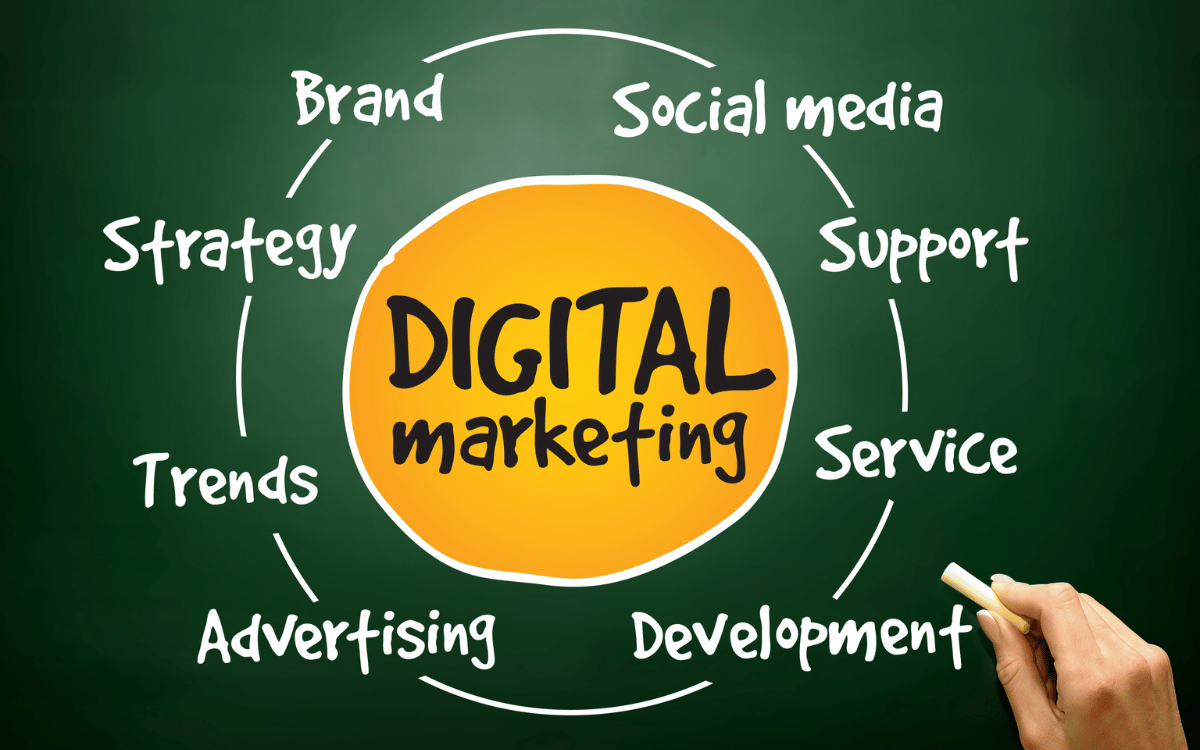
Email does not exist in a vacuum. The most successful brands in 2026 are those that create a seamless loop between search, social, and the inbox. For example, a high-performing Real Estate PPC Agency might use paid ads to capture leads, but it is the subsequent automated email "drip" campaign that nurtures those leads into buyers. Automated campaigns currently deliver 320% more revenue than standard one-off promotional "blasts."
Similarly, companies investing in Real Estate SEO Services find that their high-ranking blog content provides the perfect fuel for their weekly newsletters, driving recurring traffic back to their site and improving their domain authority through consistent engagement.
Looking Ahead: The Road to 2030
As we look at the projections for the end of the decade, the trajectory is clear. We are moving toward a "frictionless" inbox.
• Interactive Emails (AMP for Email): By 2028, expect more users to complete purchases, fill out surveys, and book appointments directly inside the email without ever clicking through to a website.
• Privacy-First Marketing: With the continued phasing out of third-party cookies, "Zero-Party Data" (information users willingly share) will become the lifeblood of email segmentation.
• Sustainability: Digital carbon footprints are becoming a consumer concern. Efficient, targeted sending (rather than mass blasting) will be seen as a "green" marketing practice.
Conclusion
The state of email marketing in 2026 is vibrant, tech-heavy, and more profitable than ever. With 347 billion daily emails circulating the globe, the opportunity to connect with a global audience of 4.83 billion users is unprecedented.
The secret to success in this era is not just sending more emails but sending smarter ones. By leveraging AI for hyper-segmentation, focusing on mobile-optimized subject lines, and respecting the recipient's time with high-value content, businesses can continue to reap the rewards of the world’s most resilient marketing channel. Whether you are a small startup or a massive enterprise, the data is clear: the inbox is where the money is.