


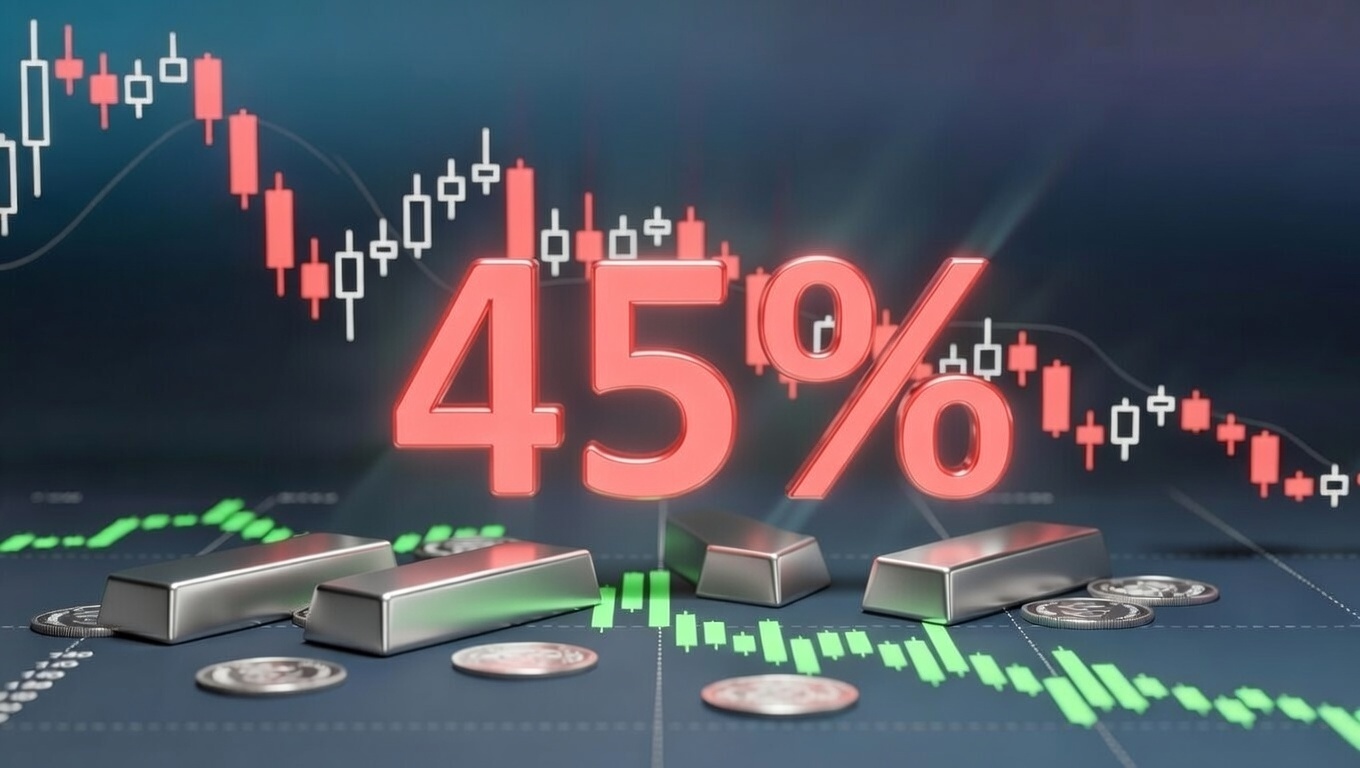
February 2026 will be remembered for the silver price crash 2026, when silver plunged nearly 45% within weeks after a historic rally. Investors who rushed into the precious metal during late 2025 were left stunned. The big question remains: Why has silver fallen so sharply in early 2026?
This article breaks down the real triggers, the macroeconomic backdrop, silver investment risks, and the updated silver forecast—using a clear, data-driven yet beginner-friendly approach.
What Triggered the Silver Market Crash in Early 2026?
There wasn’t a single reason behind the silver market crash. Instead, multiple forces converged at the same time, creating the perfect storm.
1. Central Bank Liquidity Tightening
One of the biggest triggers behind the silver price crash 2026 was aggressive liquidity tightening by global central banks.
Interest rates were kept higher for longer.
Balance sheet expansion slowed.
Global liquidity conditions tightened sharply.
Silver thrives in abundant liquidity environments. But when liquidity dries up, leveraged positions become vulnerable. Funds and traders were forced to liquidate silver holdings to cover losses elsewhere, accelerating the selloff.
2. Strong US Dollar and Rising Bond Yields
Silver is priced globally in US dollars. In early 2026:
The US dollar index surged.
Bond yields climbed significantly.
Real interest rates moved higher.
When bond yields rise, non-yielding assets like silver become less attractive. Investors rotated capital into fixed-income instruments, triggering further weakness in precious metals. This shift intensified the broader precious metals selloff.
3. Massive Liquidation in Derivatives
The derivatives market saw aggressive unwinding.
During the rally, speculative positioning in silver futures had reached extreme levels. Once prices started falling:
Margin calls were triggered.
Hedge funds reduced exposure.
Stop-loss orders cascaded.
This created a classic long liquidation cycle. Falling prices led to more selling, turning a correction into a full-blown silver market crash.
4. Industrial Demand Concerns
Unlike gold, silver has a strong industrial component. It is widely used in EVs, solar panels, and electronics.
However, in early 2026:
Global manufacturing slowed.
Electronics demand weakened.
Solar installations temporarily dipped.
When industrial demand expectations soften, silver becomes more vulnerable than gold. Its “dual nature” as both a safe-haven and industrial metal increases volatility during economic slowdowns.
Market Psychology: From Greed to Panic
The silver price crash 2026 also highlighted the power of sentiment.
During the rally:
Social media predicted extreme price targets.
Retail participation surged.
Headlines warned of silver shortages.
During the crash:
Fear replaced greed.
Retail investors panicked.
Silver ETFs witnessed heavy outflows.
Markets amplify both optimism and pessimism. Silver, often called “high-beta gold,” tends to exaggerate moves on both sides.
Silver Investment Risks: Key Lessons
The 2026 collapse reinforced several silver investment risks:
High Volatility
Silver swings are sharper than gold, especially when speculative activity is elevated.
Leverage Risk
Margin trading magnifies losses during downturns.
Dual Nature Risk
Silver reacts to both monetary policy and industrial cycles.
Sentiment Risk
Overcrowded trades can unwind violently.
Silver Forecast After the Crash
What’s next for silver?
Bullish factors include long-term EV demand, renewable energy expansion, and potential future policy easing.
Bearish risks include prolonged high rates, a strong dollar, and global recession fears.
The silver forecast suggests continued volatility in the short term. However, if excess leverage has been flushed out, stabilization could follow.
Is the Silver Crash a Buying Opportunity?
For long-term investors, a sharp correction may offer accumulation opportunities—provided fundamentals remain intact. Short-term traders, however, should prioritize risk management, as post-crash environments often remain unstable.
Final Takeaway
The silver price crash 2026 was not random. It resulted from tightening liquidity, rising bond yields, dollar strength, leveraged liquidations, industrial demand concerns, and profit booking after a massive rally.
Silver can deliver exceptional returns—but it demands disciplined risk management. In volatile markets, understanding macro trends matters more than chasing momentum.




Explore and buy sterling 925 silver rings online for women, girlfriend at an affordable price from Silver Shine.
Silver Shine offers pure silver rings with stones for ladies along with all type of silver rings Website: https://www.prlog.org/12783677-high-flying-new-online-web-store-selling-silver-jewellery-online-has-announced-its-most-newest-vogue.htmlTags: silver rings, rings for girlfriend