

Introduction
Television has evolved from bulky black-and-white boxes to ultra-slim smart displays capable of delivering cinematic experiences at home. Yet the transformation is far from complete. Rapid advancements in artificial intelligence, connectivity, immersive displays, and content delivery systems are redefining how audiences consume media. The conversation is no longer limited to screen size or resolution. Instead, innovation now revolves around personalization, interactivity, sustainability, and seamless digital ecosystems.
Understanding the future of television technology requires examining the convergence of hardware, software, and content platforms. As streaming dominates traditional broadcasting and viewers demand immersive experiences, manufacturers and media companies are racing to shape the next generation of entertainment. The result is a dynamic industry poised for unprecedented change.
Redefining Viewing Experiences in The Future of Television Technology
The modern television is no longer a passive device. It is becoming an intelligent entertainment hub. At the center of the future of television technology lies the integration of artificial intelligence that enhances picture quality, recommends content, and adapts audio settings in real time.
AI-powered processors can upscale lower-resolution content into near-4K or 8K clarity. They analyze scenes frame by frame, adjusting brightness, contrast, and color balance to deliver optimized visuals. Simultaneously, machine learning algorithms track viewing habits to provide highly personalized recommendations.
Voice assistants and smart home integration further transform how users interact with televisions. Instead of relying solely on remote controls, viewers can navigate content libraries, control lighting, and even manage connected devices using voice commands. This convergence of AI and connectivity creates a more intuitive and immersive viewing experience.
Immersive Display Innovations
Display technology continues to be a defining factor in the future of television technology. OLED and QLED panels have already improved brightness, contrast, and color accuracy. However, emerging innovations such as MicroLED and MiniLED promise even greater efficiency and visual performance.
MicroLED displays offer self-emissive pixels similar to OLED but without the risk of burn-in. They deliver exceptional brightness and longevity, making them suitable for both home and commercial environments. Flexible and rollable screens are also pushing design boundaries, allowing televisions to blend seamlessly into living spaces.
Beyond traditional flat screens, immersive technologies such as augmented reality and virtual reality are influencing television development. While VR headsets provide fully immersive experiences, television manufacturers are exploring hybrid solutions that combine large-scale displays with spatial audio and interactive elements.
Content Delivery in The Future of Television Technology
Content consumption habits have shifted dramatically over the past decade. Streaming platforms now dominate global entertainment markets, reducing reliance on traditional cable and satellite services. In the future of television technology, content delivery will become even more seamless and data-driven.
Cloud-based streaming infrastructure ensures faster loading times and reduced buffering. Advanced compression technologies enable high-resolution streaming without excessive bandwidth usage. As internet speeds increase globally, 8K streaming and immersive formats will become more accessible.
Interactive content is also emerging as a key trend. Viewers may soon influence storylines, participate in live polls, or access supplementary digital experiences while watching their favorite programs. This blend of entertainment and engagement reflects changing consumer expectations in the digital era.
Connectivity and Smart Ecosystems
The television is evolving into a central hub within the connected home ecosystem. Smart TVs now integrate effortlessly with smartphones, gaming consoles, and home automation systems. The future of television technology emphasizes interoperability, ensuring that devices communicate efficiently across platforms.
Fifth-generation wireless networks are accelerating this transformation. With reduced latency and higher bandwidth, 5G supports smoother streaming, real-time gaming, and enhanced cloud-based services. This connectivity enhances both entertainment and productivity, allowing televisions to serve as collaborative screens for remote work and virtual meetings.
Cross-device synchronization further strengthens user convenience. Viewers can start watching content on a smartphone during a commute and continue seamlessly on a home television. This fluidity reflects the growing importance of integrated digital experiences.
Personalization and Artificial Intelligence
Personalization stands at the forefront of the future of television technology. AI-driven algorithms analyze user preferences, viewing times, and engagement patterns to curate customized content libraries. Instead of browsing endless menus, viewers receive tailored recommendations aligned with their interests.
Advanced analytics also empower advertisers and content creators. Data-driven insights help optimize programming strategies and targeted advertising campaigns. While personalization enhances user satisfaction, it also raises questions about privacy and data security. Manufacturers and service providers must balance innovation with responsible data practices.
Speech recognition and natural language processing continue to improve, enabling more conversational interactions between users and devices. Over time, televisions may anticipate user needs before commands are issued, creating a predictive and adaptive entertainment environment.
Gaming and Interactive Entertainment
Gaming has become a significant driver in the future of television technology. Modern televisions are equipped with high refresh rates, low latency modes, and variable refresh rate capabilities that support next-generation gaming consoles.
Cloud gaming services eliminate the need for physical hardware by streaming games directly to televisions. This shift democratizes access to high-quality gaming experiences while reducing hardware costs for consumers. Enhanced graphics processing and immersive sound systems further elevate gameplay realism.
Interactive entertainment extends beyond gaming. Educational programs, fitness applications, and virtual experiences are transforming televisions into multifunctional platforms that support learning, health, and creativity.
Sustainability and Energy Efficiency
As technology advances, sustainability has become a crucial consideration. Manufacturers are focusing on reducing power consumption, minimizing electronic waste, and using eco-friendly materials. The future of television technology must align with global environmental goals.
Energy-efficient panels, recyclable components, and longer product lifecycles contribute to responsible production. Software updates that enhance performance without requiring hardware replacement also support sustainability efforts. Consumers increasingly favor brands that demonstrate environmental responsibility, influencing industry standards.
Security and Data Protection
With increased connectivity comes heightened cybersecurity risks. Smart televisions collect data, connect to networks, and integrate with other devices, making them potential entry points for cyber threats. Safeguarding user information is essential in the future of television technology.
Manufacturers are implementing secure operating systems, encrypted communication protocols, and regular firmware updates to mitigate risks. Transparency regarding data usage policies builds consumer trust and strengthens brand credibility in a competitive market.
The Road Ahead
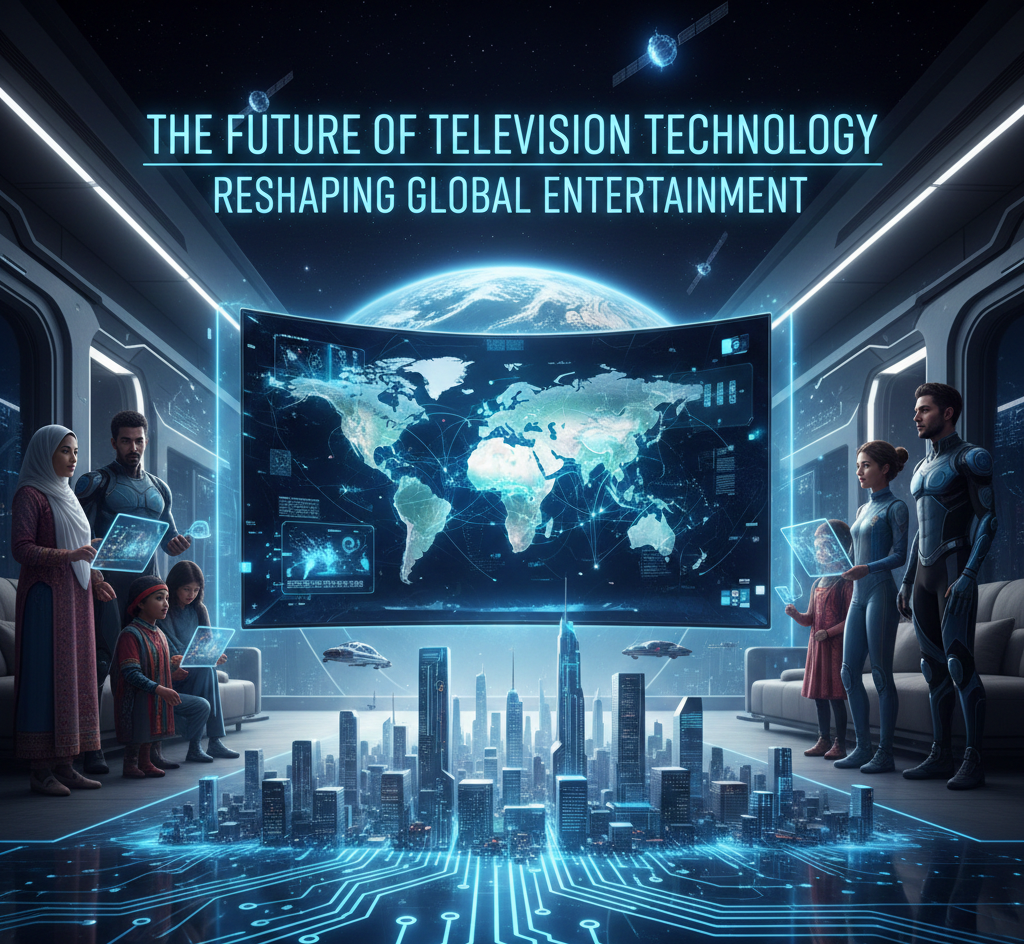
Innovation in display engineering, AI integration, connectivity, and content creation continues to accelerate. The future of television technology is not confined to sharper images or larger screens. It represents a broader transformation in how audiences engage with digital content.
Televisions are evolving into intelligent platforms that blend entertainment, communication, and productivity. As boundaries between devices disappear, the living room screen becomes a gateway to immersive digital ecosystems.
Organizations that anticipate emerging trends and prioritize user-centric design will lead this evolution. For consumers, the next generation of televisions promises richer experiences, deeper personalization, and seamless connectivity. The journey toward a smarter, more interactive future has already begun, redefining entertainment for years to come.