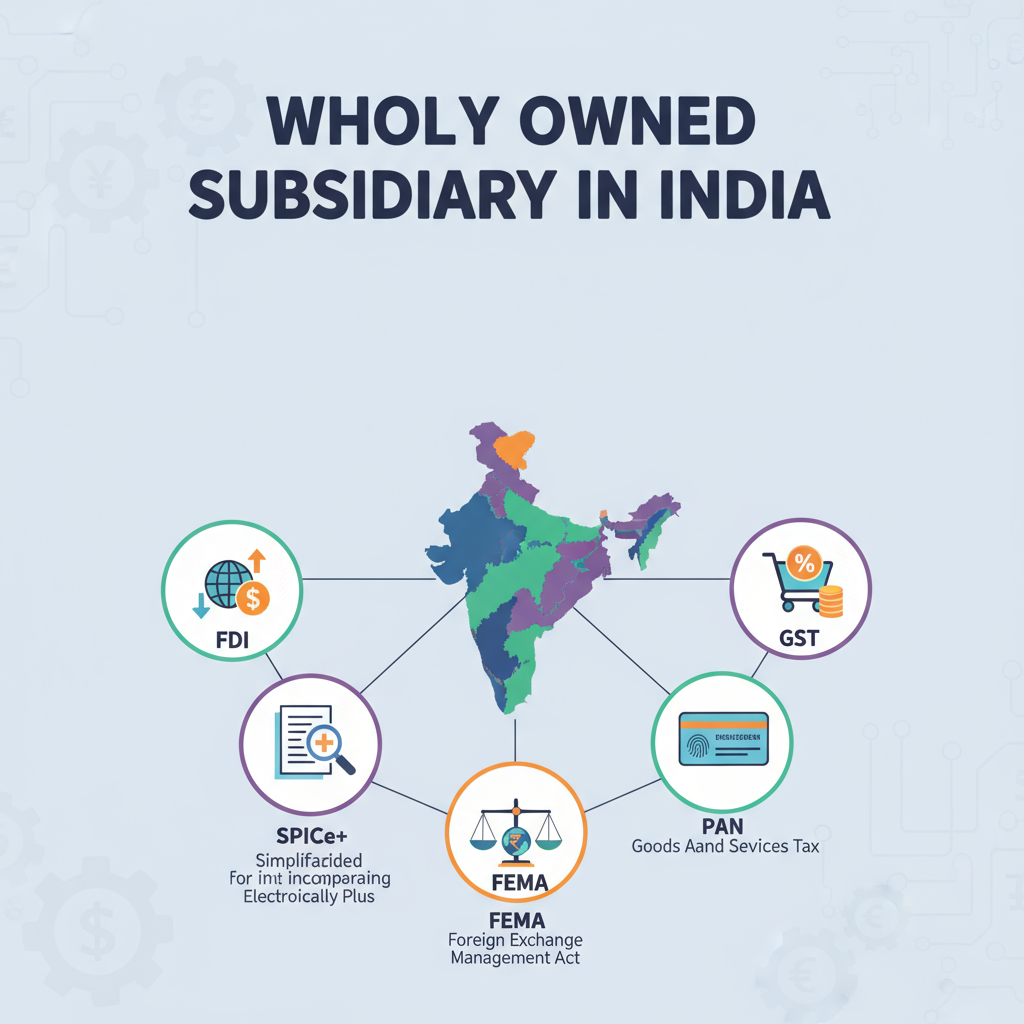
When international companies plan global expansion, they often explore structured entry models that provide complete control while complying with local regulations. One such business structure is a WOS, a popular choice among foreign investors entering new markets. Understanding the WOS full form in company structure is important for businesses from the UK and Europe planning overseas investments.
This article explains the WOS meaning, its benefits, legal structure, and why it is widely used by global companies.
What is the WOS Full Form in Company?
The WOS full form in company is Wholly Owned Subsidiary. It refers to a company whose entire shareholding is owned by another company, usually called the parent company. In this structure, the parent company holds 100% ownership and complete management control over the subsidiary.
A Wholly Owned Subsidiary operates as a separate legal entity. However, it follows the strategic and operational direction of the parent company. Many multinational corporations prefer this model because it allows them to maintain full authority over decision-making, branding, and financial planning.
For UK and European businesses entering foreign markets, establishing a WOS is often considered a reliable and secure expansion method.
Why Foreign Companies Prefer a WOS Structure
Foreign businesses frequently choose the WOS model due to its strong control and strategic advantages. Unlike joint ventures or partnership firms, a Wholly Owned Subsidiary allows the parent company to retain complete ownership.
One of the main reasons companies choose this model is operational independence. A WOS can operate under local laws while maintaining alignment with global business objectives. This helps foreign companies expand while maintaining brand consistency and corporate standards.
Additionally, a WOS allows businesses to protect confidential technology, intellectual property, and trade secrets. Since no external partners are involved, the parent company can safeguard sensitive information more effectively.
Key Features of a Wholly Owned Subsidiary
A Wholly Owned Subsidiary has several distinctive features that make it different from other business structures.
1. Complete Ownership
The parent company owns 100% of the subsidiary’s shares. This ensures full authority over company operations, policies, and management decisions.
2. Separate Legal Identity
Although owned by another company, a WOS functions as a separate legal entity. It can own assets, enter contracts, and conduct business independently.
3. Limited Liability Protection
The parent company’s liability is usually limited to its investment in the subsidiary. This protects the parent company from financial risks associated with local operations.
4. Independent Compliance Requirements
A WOS must follow local regulatory and taxation laws of the country in which it operates.
Benefits of Setting Up a WOS for UK and European Businesses
Establishing a Wholly Owned Subsidiary offers several strategic benefits, especially for companies planning long-term expansion.
Strong Market Control
A WOS allows foreign companies to maintain full control over marketing, pricing strategies, and business operations. This is particularly useful when entering competitive international markets.
Brand Protection
Since the parent company owns the subsidiary completely, it can maintain consistent branding and customer experience across regions.
Higher Profit Retention
Unlike joint ventures, where profits are shared with partners, a WOS allows companies to retain full earnings generated from operations.
Enhanced Business Credibility
Having a local subsidiary increases credibility and builds trust with customers, suppliers, and government authorities.
Better Strategic Flexibility
Companies can implement global policies without needing approval from external stakeholders.
Types of WOS Structures
Foreign companies can establish a Wholly Owned Subsidiary in different forms depending on business goals and regulatory requirements.
Private Limited Company
This is the most common structure. It offers flexibility, limited liability protection, and easier compliance compared to public companies.
Public Limited Company
Some multinational corporations prefer this structure when planning large-scale operations or raising capital from public investors.
Limited Liability Company
In certain countries, foreign investors may set up WOS under limited liability frameworks that provide operational flexibility.
Legal and Regulatory Considerations
While establishing a WOS provides several advantages, companies must follow specific legal procedures.
Company Registration
Foreign companies must register the subsidiary with local corporate authorities and obtain necessary approvals before starting operations.
Foreign Investment Regulations
Different countries have foreign direct investment rules that determine ownership eligibility, sector restrictions, and compliance requirements.
Taxation Compliance
A WOS must follow local tax laws, including corporate tax, transfer pricing regulations, and reporting requirements.
Corporate Governance
The subsidiary must maintain statutory records, financial statements, and regular compliance filings as per local corporate laws.
WOS vs Joint Venture: Understanding the Difference
Many businesses compare WOS with joint ventures while planning international expansion.
In a joint venture, two or more companies share ownership, risks, and profits. While this approach offers local expertise and shared investment, it may limit operational control.
On the other hand, a Wholly Owned Subsidiary provides complete ownership and management authority. However, it requires higher financial investment and independent regulatory compliance.
For UK and European companies aiming for long-term presence and full strategic control, a WOS is often the preferred option.
Industries Where WOS is Commonly Used
Several sectors frequently adopt the WOS structure for global expansion. These include:
• Information technology and software development
• Financial and consulting services
• Manufacturing and engineering industries
• E-commerce and digital services
• Pharmaceutical and healthcare sectors
These industries benefit from strong intellectual property protection and global brand consistency, making WOS an ideal structure.
Steps to Establish a Wholly Owned Subsidiary
Although procedures vary across countries, the general steps include:
1. Selecting the appropriate company structure
2. Obtaining regulatory approvals for foreign investment
3. Registering the company with corporate authorities
4. Opening corporate bank accounts
5. Meeting tax and compliance requirements
6. Hiring local staff and setting up operations
Professional business consultants often assist foreign companies in completing these steps smoothly and ensuring regulatory compliance.
Challenges of Setting Up a WOS
Despite its advantages, establishing a Wholly Owned Subsidiary can involve certain challenges.
Foreign companies may face complex regulatory procedures, high initial investment requirements, and compliance obligations. Additionally, understanding local business culture and employment regulations may require expert guidance.
However, with proper planning and professional support, these challenges can be effectively managed.
How Stratrich Helps Foreign Companies Establish WOS
Stratrich supports UK and European businesses planning international expansion through expert business consulting services. The company provides guidance on company registration, regulatory compliance, taxation planning, and operational setup.
By offering customised solutions, Stratrich helps foreign companies establish Wholly Owned Subsidiaries efficiently while ensuring compliance with local laws and business regulations.
Conclusion
Understanding the WOS full form in company is essential for businesses planning global expansion. A Wholly Owned Subsidiary offers complete ownership, operational control, and strong brand protection, making it a preferred choice for multinational corporations.
For UK and European companies entering international markets, a WOS structure provides long-term growth opportunities, higher profitability, and strategic flexibility. With proper compliance planning and expert consulting support from firms like Stratrich, businesses can successfully establish and manage their overseas subsidiaries.