

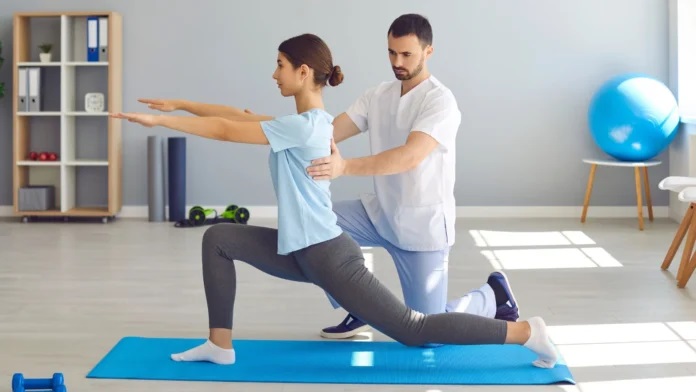
Injuries can change your life in seconds. A fall, sports accident, car crash, or workplace incident can leave you in pain and limit your movement. While rest plays a role in early recovery, it is not enough. If you want to regain strength, mobility, and confidence, rehabilitation exercise courses are essential.
Many people try to recover on their own. They watch random workout videos or return to normal activity too soon. This approach often leads to slow healing, recurring pain, or even re-injury. A structured rehabilitation exercise course gives you a safe and effective path back to full function.
In this article, you will learn seven powerful reasons why rehabilitation exercise courses matter after injury.
1. They Restore Strength Safely and Gradually
After an injury, your muscles weaken quickly. Even a short period of inactivity can cause muscle loss and joint stiffness. If you do not rebuild that strength correctly, your body stays vulnerable.
Targeted Muscle Activation
Rehabilitation exercise courses focus on the exact muscles affected by your injury. Instead of random workouts, you perform movements designed to activate weak or inactive muscle groups. This method prevents compensation, where other muscles take over and create new problems.
For example:
After a knee injury, therapists strengthen the quadriceps, hamstrings, and hip stabilizers.
After a shoulder injury, exercises focus on the rotator cuff and scapular muscles.
Each session builds strength step by step. You avoid overload while still making steady progress.
Progressive Load for Long-Term Results
Rehabilitation programs increase resistance and difficulty gradually. This progression allows tissues to adapt without strain. As a result, your body grows stronger without setbacks.
When you follow a structured course, you reduce the risk of returning to activity too soon.
2. They Improve Mobility and Flexibility
Injury often leads to stiffness. Scar tissue can form around damaged areas, limiting your range of motion. Without proper intervention, that stiffness may become permanent.
Controlled Range of Motion Exercises
Rehabilitation exercise courses include controlled stretching and mobility drills. These movements restore flexibility without causing pain or inflammation.
Therapists guide you through:
- Joint mobilization techniques
- Dynamic stretches
- Controlled functional movements
These exercises help your joints move freely again.
Preventing Long-Term Limitations
If you ignore mobility, you may notice:
- Difficulty bending or reaching
- Poor posture
- Ongoing discomfort
A structured course ensures that your body regains its natural movement patterns. You regain confidence in daily tasks such as walking, lifting, and climbing stairs.
3. They Reduce the Risk of Re-Injury
One of the biggest mistakes people make after injury is returning to activity without proper preparation. Pain may decrease, but weakness and instability often remain.
Correcting Movement Patterns
Injury changes how your body moves. You may limp after an ankle sprain or shift weight away from a painful shoulder. These habits can create imbalances.
Rehabilitation exercise courses correct these faulty patterns. Professionals assess your movement and guide you through corrective exercises. You retrain your body to move efficiently and safely.
Building Joint Stability
Stability protects your joints. Strong surrounding muscles support ligaments and tendons, reducing stressed at work on healing tissues.
For example:
- Core strengthening protects the lower back.
- Hip stability exercises reduce knee strain.
- Shoulder stabilization protects the rotator cuff.
When you complete a rehabilitation course, you return to activity with a stable foundation.
4. They Speed Up Recovery Time
Many people believe rest alone heals injuries. While rest reduces inflammation early on, movement plays a crucial role in recovery.
Stimulating Blood Flow
Rehabilitation exercises increase circulation. Better blood flow delivers oxygen and nutrients to injured tissues. This process supports healing and reduces stiffness.
Gentle, controlled exercises also help remove metabolic waste from the injured area.
Maintaining Overall Fitness
During recovery, inactivity can weaken your entire body. A rehabilitation course keeps you active within safe limits. You maintain cardiovascular fitness, coordination, and muscle tone.
As a result, when you return to full activity, your body adapts faster.
5. They Provide Professional Guidance and Accountability
Recovering alone can feel confusing and frustrating. You may question whether you are doing exercises correctly or pushing too hard.
Expert Supervision
Rehabilitation exercise courses are led by trained professionals such as physical therapists or certified rehabilitation specialists. They assess your condition and adjust your program based on progress.
This supervision ensures:
- Proper form
- Correct intensity
- Safe progression
You avoid common mistakes that slow recovery.
Motivation and Consistency
Consistency drives results. When you attend scheduled sessions, you stay committed. A professional monitors your improvement and keeps you focused on your goals.
This accountability often makes the difference between partial recovery and full recovery.
6. They Support Mental and Emotional Recovery
Injury affects more than your body. It can impact your mood, confidence, and sense of independence.
Rebuilding Confidence
After injury, many people fear movement. They worry about pain or another setback. Rehabilitation exercise courses rebuild trust in your body.
Each successful session proves that you can move safely. As strength and mobility return, confidence grows.
Reducing Stress and Frustration
Physical activity releases endorphins, which improve mood. Structured exercise sessions provide a sense of progress and purpose. Instead of feeling stuck, you see measurable improvement.
This positive momentum plays a major role in overall recovery.
7. They Prepare You for Daily Activities and Sports
Recovery does not end when pain disappears. You need to perform daily tasks and sports activities without limitation.
Functional Training
Rehabilitation exercise courses include functional movements that mirror real-life tasks. These exercises may involve:
- Squatting and lifting
- Reaching overhead
- Climbing stairs
- Rotational movements
By practicing these actions in a controlled environment, you prepare your body for real-world demands.
Sport-Specific Rehabilitation
Athletes require more than basic recovery. They need strength, speed, coordination, and endurance.
A well-designed rehabilitation course includes sport-specific drills. For example:
- Runners work on gait mechanics and hip strength.
- Tennis players perform shoulder and rotational core training.
- Football players focus on agility and lower-body stability.
This preparation reduces the risk of future injuries and improves performance.
What Happens If You Skip Rehabilitation Exercise Courses?
Some people skip rehabilitation because they feel “fine” after a few weeks. Unfortunately, hidden weakness often remains.
Without proper rehab, you may experience:
- Chronic pain
- Joint instability
- Reduced range of motion
- Repeated injuries
- Long-term weakness
These issues can limit your quality of life. A short-term decision to avoid rehabilitation may lead to long-term consequences.
Who Should Take Rehabilitation Exercise Courses?
Rehabilitation exercise courses benefit a wide range of individuals:
- Athletes recovering from sports injuries
- Workers recovering from workplace accidents
- Individuals healing after surgery
- Older adults recovering from falls
- Anyone with chronic pain conditions
If you experienced any injury that affected your movement, structured rehabilitation can help you regain full function.
How to Choose the Right Rehabilitation Exercise Course
Not all programs provide the same level of care. When selecting a course, consider the following:
Qualified Instructors
Choose programs led by licensed physical therapists or certified rehabilitation professionals.
Individual Assessment
A proper course begins with a thorough evaluation of your condition.
Progressive Structure
The program should include clear phases that gradually increase intensity.
Focus on Education
You should learn how to maintain strength and mobility even after the course ends.
Final Thoughts
Injury recovery requires more than patience. It requires action. Rehabilitation exercise courses provide structure, safety, and professional support during a vulnerable time.
They restore strength, improve mobility, prevent re-injury, and accelerate healing. They also rebuild confidence and prepare you for daily life or sports performance.
Skipping rehabilitation may save time in the short term, but it often leads to long-term problems. When you commit to a structured rehabilitation exercise course, you invest in your health, mobility, and future performance.
If you recently experienced an injury, take the next step toward full recovery. A well-designed rehabilitation exercise course can help you move better, feel stronger, and return to the activities you love with confidence.

If you are a beginner or an advanced tennis player and want to know where to buy Best PT courses, you might be in the midst of confusion.
Most importantly, you should get yourself a return policy.
A good place to start looking for the best and the most authentic Best PT courses is online.
You will find many sites that provide these services.
But, you should remember that you should find out if they are truly authentic and if they are authorized by PTI.
For this, you can always go through their testimonials and read the rating that is given by PTI.