


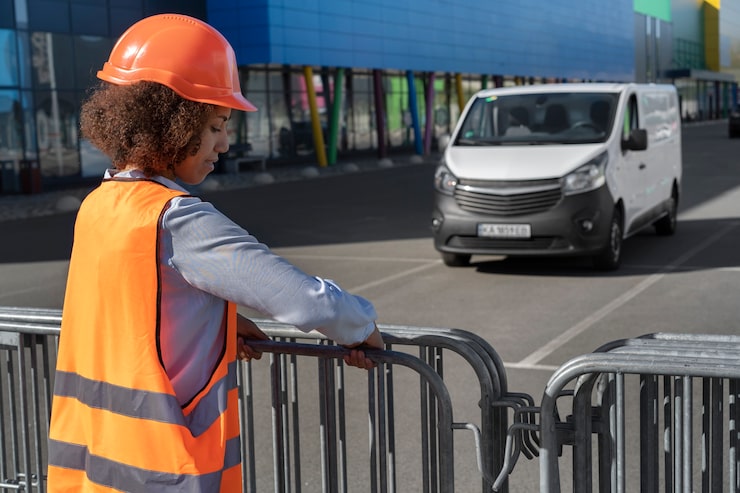
A well-maintained parking area is more than just pavement — it reflects your brand, protects your investment, and ensures safety for visitors. Consistent parking lot maintenance prevents costly structural damage, reduces liability risks, and enhances curb appeal. Whether you manage a retail plaza, office complex, or industrial facility, proactive care keeps your property functional and professional year-round.
Why Parking Lot Maintenance Is Essential for Property Owners
Ignoring surface wear can lead to cracks, potholes, drainage issues, and eventual structural failure. Routine parking lot maintenance addresses minor issues before they become expensive reconstruction projects.
Benefits include:
Improved safety for pedestrians and vehicles
Enhanced property aesthetics
Extended pavement lifespan
Lower long-term repair costs
Compliance with local safety standards
A deteriorating lot not only creates hazards but can also negatively impact customer perception. First impressions matter, and clean, clearly marked parking areas communicate professionalism.
Core Components of Effective Parking Lot Maintenance
1. Regular Inspections
Frequent inspections help identify early signs of cracking, pooling water, faded striping, and surface erosion. Catching issues early allows for targeted repairs instead of large-scale resurfacing.
2. Crack Sealing and Pothole Repair
Cracks allow moisture to penetrate the sub-base, weakening structural integrity. Sealing prevents expansion caused by freeze-thaw cycles. Prompt pothole repair protects both vehicles and liability exposure.
3. Sealcoating for Surface Protection
Sealcoating is a vital part of parking lot maintenance. It protects asphalt from UV damage, chemical spills, oxidation, and moisture intrusion. Applying sealcoat every few years significantly extends pavement life.
4. Line Striping and Markings
Clear striping improves traffic flow and ADA compliance. Repainting faded lines maintains order, maximizes space efficiency, and enhances safety.
5. Drainage Management
Standing water is a silent destroyer. Proper grading, drain cleaning, and debris removal prevent premature surface breakdown.
Seasonal Considerations in Parking Lot Maintenance
Different climates require tailored strategies. In colder regions, freeze-thaw cycles can accelerate cracking. In warmer areas, UV rays cause oxidation and brittleness.
Seasonal maintenance tips:
Spring: Repair winter damage and reseal cracks
Summer: Apply sealcoating
Fall: Clear debris and inspect drainage
Winter: Monitor snow removal to prevent surface scraping
A year-round strategy ensures consistent performance.
Cost Savings Through Preventive Parking Lot Maintenance
Preventive care costs significantly less than full reconstruction. Small investments in crack filling and sealcoating can postpone expensive resurfacing by years. Property managers who implement scheduled parking lot maintenance plans often reduce capital expenditures over time.
Additionally, maintained lots reduce insurance risks by minimizing trip-and-fall accidents and vehicle damage claims.
Conclusion
Strategic parking lot maintenance is not an expense — it is an investment in longevity, safety, and property value. From crack sealing to sealcoating and striping, consistent upkeep protects your pavement and enhances your professional image. By adopting a proactive maintenance plan, property owners ensure durability, minimize liabilities, and preserve their asset for years to come.



Poate nu stiati, dar in aceasta parcare Otopeni va puteti rezerva locul in prealabil, as acum va doriti.
Pentru multi calatori, posibilitatea de a rezerva un loc intr-o parcare de langa aeroport este cea mai buna facilitate a utilizarii parcarii in afara amplasamentului unui aeroport.


A clean and well-maintained asphalt parking lot of your commercial property will help you make a great first impression on your visitors.
If your parking lot has some potholes and that is ruining the appearance of your property, you should opt for asphalt parking lot repair services from any professional asphalt repairing company.