





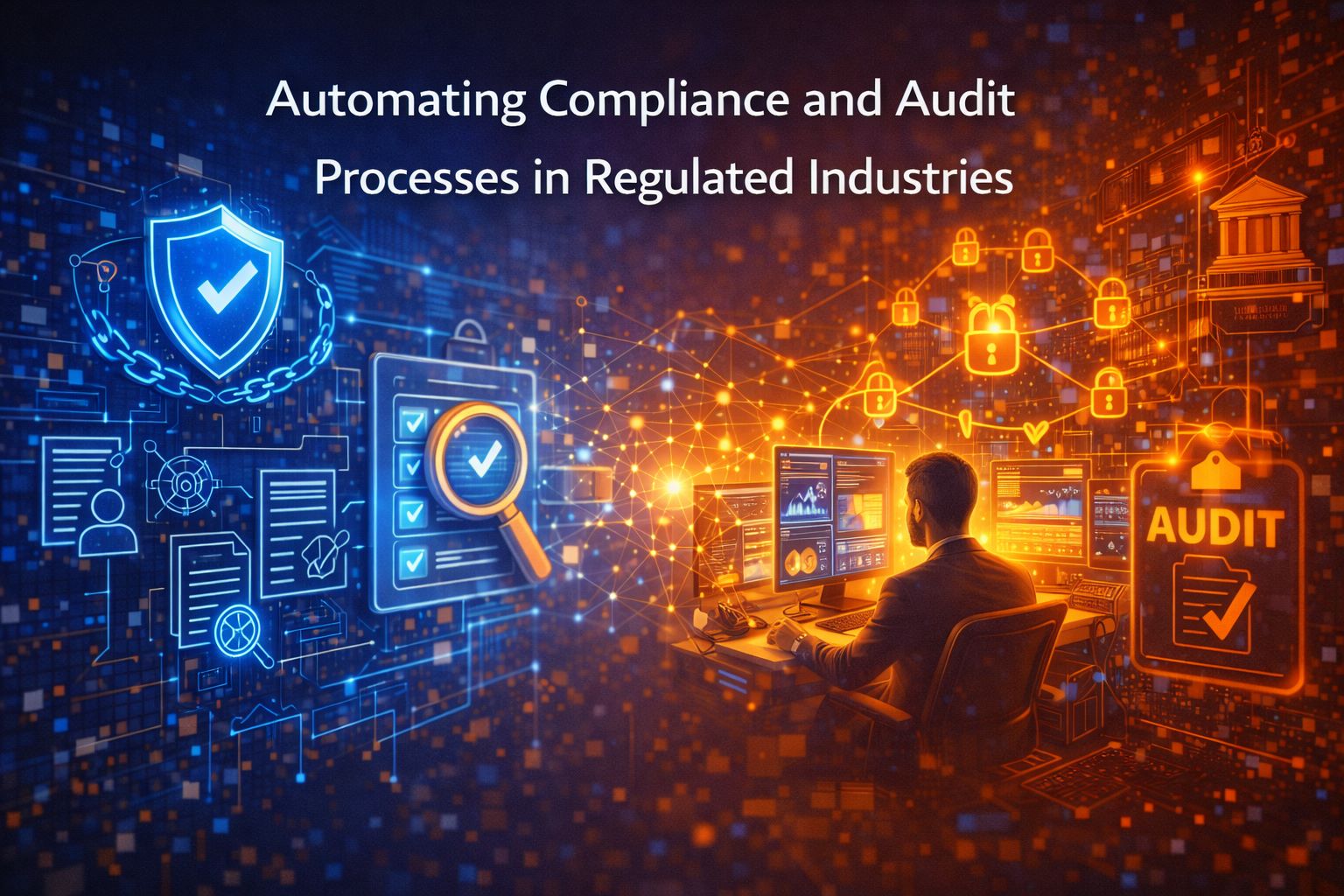
Compliance is not optional in regulated industries. It is continuous, complex, and resource-intensive.
Financial services, healthcare, energy, and manufacturing organizations operate under strict regulatory frameworks. Manual compliance management increases risk, cost, and operational pressure.
Business process automation software is transforming how regulated enterprises manage audits, reporting, and compliance controls.
The Complexity of Modern Compliance
Regulated industries face:
- Frequent regulatory updates
- Multi-layered approval processes
- Detailed documentation requirements
- Cross-border compliance obligations
- High penalties for non-compliance
Manual tracking through spreadsheets and email chains creates visibility gaps and audit vulnerabilities.
Automation introduces structure and traceability.
Where Automation Creates Immediate Impact
Automated compliance systems can:
- Track regulatory changes in real time
- Trigger alerts for policy updates
- Maintain centralized documentation repositories
- Enforce approval workflows
- Record time-stamped audit trails
This reduces dependency on individual oversight and increases organizational transparency.
Strengthening Audit Readiness
Audits often become disruptive because documentation is fragmented.
Automation ensures:
- Version-controlled documentation
- Standardized reporting formats
- Automated evidence collection
- Secure role-based access
- Real-time compliance dashboards
When audits occur, data is accessible, structured, and verifiable.
Reducing Human Error and Operational Risk
Manual compliance handling increases the risk of:
- Missed deadlines
- Incomplete documentation
- Inconsistent policy enforcement
- Untracked process deviations
Automation enforces consistency. Rules are embedded into workflows, reducing the likelihood of oversight.
Integrating with Enterprise Systems
For maximum effectiveness, compliance automation should integrate with:
- ERP systems
- HR platforms
- Financial systems
- Risk management tools
This ensures compliance is embedded within daily operations rather than treated as a separate administrative function.
Data Security and Governance Considerations
Automated compliance platforms must prioritize:
- Data encryption
- Access control policies
- Activity logging
- Secure cloud or hybrid deployment
- Regulatory data residency requirements
Security architecture is as critical as workflow design.
When Automation Becomes Essential
Organizations benefit most when:
- Regulatory reporting is frequent and detailed
- Operations span multiple jurisdictions
- Audit findings have increased
- Manual compliance consumes significant staff time
- Regulatory penalties pose financial risk
In these cases, automation becomes a risk mitigation strategy, not just an efficiency upgrade.
Final Insight
Compliance should not be a reactive burden. It should be an embedded, structured capability within enterprise operations.
By automating compliance and audit processes, regulated industries can reduce risk, improve transparency, and maintain continuous regulatory readiness without increasing operational complexity.




Digital Transformation services are fast becoming imperative for all kinds and sizes of businesses.
This calls for shedding away obsolete and inefficient old technology systems and embrace new disruptive, highly efficient alternatives.
RPA companies help enterprises to automate repetitive, large volume, time consuming, rule based activities which otherwise bogs down the valuable time of human resources.
Faster Implementation - RPA technology is non invasive and thus doesn't need to disturb existing systems and infrastructure.
Quicker ROI - FTE savings by RPA boosts quicker Return on Investments (ROI) and often helps in DIgital Transformation stakeholders to measure the efficiency and set the direction ahead.
Back Office Automation - Since most of the time consuming processes happens in the Back Office systems, RPA solutions can bring in the power of being available 24/7 to process and report the various aspects of operations.
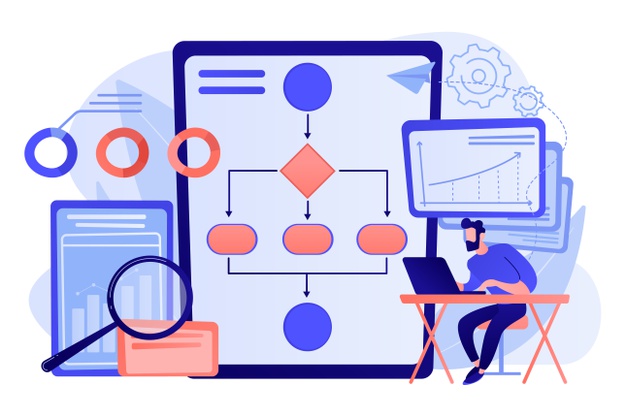
Enterprises, know more about the core aspects of your business that you can automate easily with modern business process automation strategies to get automation benefits.