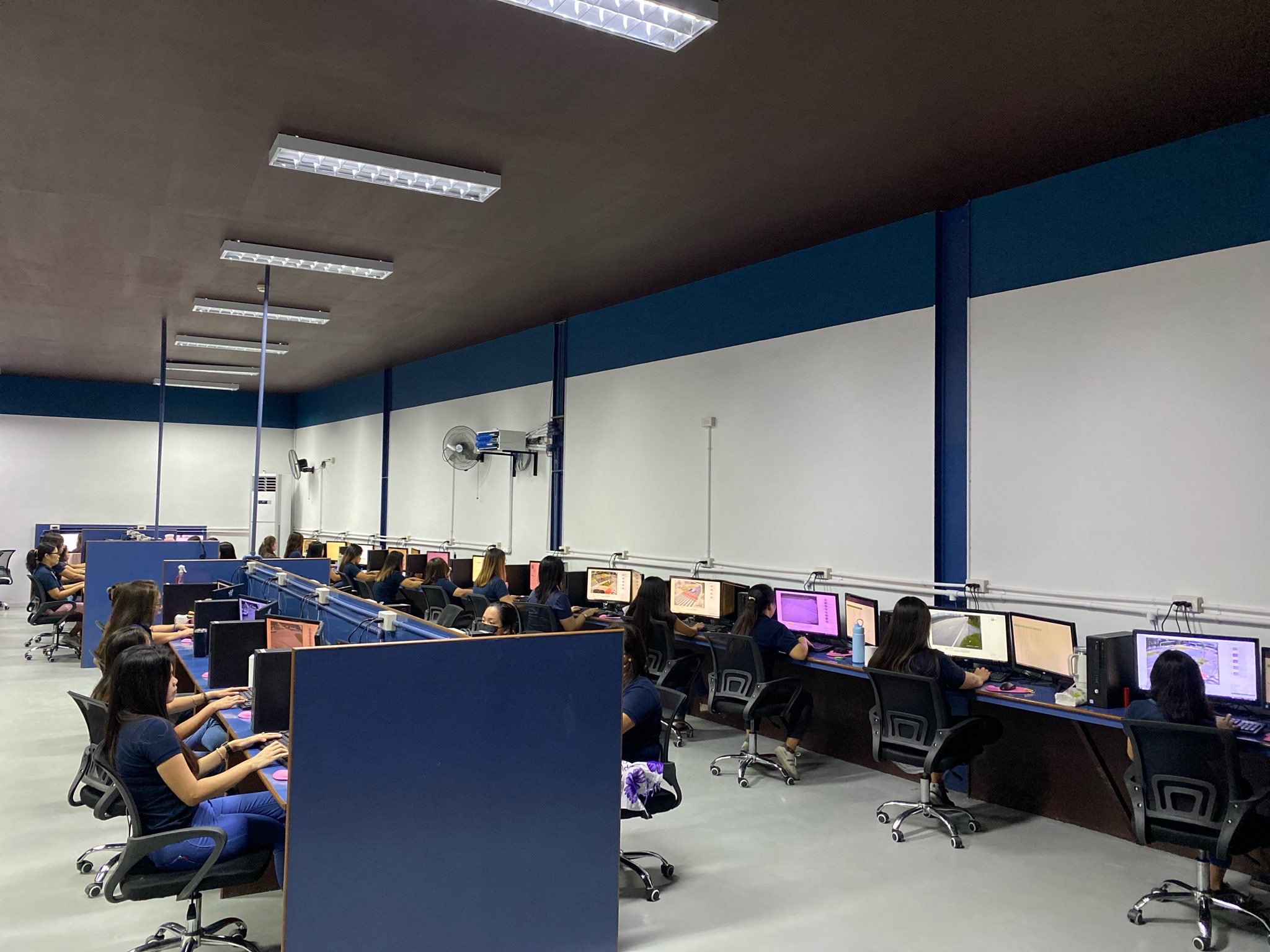
When Growth Moves Faster Than Your Hiring Team
There’s a pattern many Philippine companies go through.
The business is growing. Revenue is improving. Maybe a new client just signed in Cebu. Maybe operations are expanding in Clark. Maybe the tech team in Metro Manila needs to double because of a digital upgrade.
Everything looks positive until hiring becomes the slowest moving part of the machine.
Roles stay open longer than expected. Candidates withdraw. Internal HR is juggling payroll deadlines and government compliance while trying to schedule interviews.
Leadership starts asking the same question in meetings:
“Why is hiring taking this long?”
That question is usually where Recruitment Process Outsourcing enters the conversation.
Not as a trend. Not as a buzzword. But as a practical fix.
What RPO Feels Like Inside a Company
On paper, Recruitment Process Outsourcing means letting an external partner manage part or all of your hiring process.
Inside the company, it feels different.
It feels like suddenly having enough hands.
Instead of one recruiter trying to source 15 roles at once, there is a structured team focused purely on hiring. Instead of reactive job postings, there is proactive talent mapping. Instead of scattered interview coordination, there is process discipline.
The difference is not dramatic. It is operational.
And when you are scaling, operational efficiency matters more than slogans.
The Hiring Landscape in the Philippines Has Changed
A few years ago, hiring in Metro Manila was competitive but predictable.
Now it is layered.
A software developer in Makati may be interviewing with a local fintech company while also entertaining a remote role from Singapore. A cybersecurity specialist in Cebu may receive multiple offers in the same week. Engineers in Clark are being approached for regional roles across Southeast Asia.
The talent pool is still strong. But access to it is more complicated.
Companies are no longer competing only with local employers. They are competing with global flexibility.
That shift requires a different recruitment structure.
Internal HR Is Not Built for Aggressive Scaling
This is not criticism. It is reality.
Most HR teams in the Philippines are designed for stability maintaining compliance, handling payroll, managing employee relations.
They are not always built for rapid hiring waves.
When a business suddenly needs to hire 25 people in three months, internal systems stretch. Interview calendars get crowded. Screening becomes rushed. Candidate communication slows down.
Quality drops not because the team lacks skill, but because capacity is limited.
RPO solves a capacity problem.
The Real Reason RPO Speeds Up Growth
Speed in hiring is not just about posting jobs faster.
It is about removing friction.
Friction in sourcing.
Friction in screening.
Friction in coordination.
Friction in decision-making.
An experienced RPO team builds repeatable systems. Talent pipelines are created before roles officially open. Salary benchmarks are mapped. Candidate engagement is continuous, not occasional.
So when growth happens, recruitment does not start from zero.
That is the difference.
RPO Is Not the Same as Using a Recruitment Agency
This part often gets misunderstood.
A recruitment agency typically helps fill a vacancy. The relationship is transactional. Once the role is filled, the engagement slows.
RPO operates differently.
It becomes embedded in your hiring strategy. It tracks patterns. It understands seasonal demand. It adjusts based on projected expansion in Metro Manila, Cebu, or Clark.
Think of it as building an internal recruitment engine without expanding internal headcount permanently.
Where Philippine Companies Feel the Impact Most
In IT and Digital Teams
The demand for tech professionals continues to rise. Developers, data analysts, cloud engineers all in short supply.
Waiting three months to fill a critical tech role can delay product launches or system upgrades.
RPO reduces that delay by keeping sourcing continuous.
In BPO Expansion
When a new offshore account is signed, hiring timelines become aggressive.
Scaling from 50 to 200 employees quickly requires structure. Without it, onboarding chaos follows.
RPO introduces controlled scaling instead of reactive hiring.
In Industrial Growth Areas Like Clark
Manufacturing and engineering hiring is rarely static. Projects start and end. Workforce demand shifts.
RPO supports forecasting not just vacancy filling.
The Less Obvious Benefit: Stability During Growth
Rapid scaling can feel unstable internally.
Managers are interviewing constantly. HR is overwhelmed. Leadership questions hiring quality. Employees feel stretched covering open roles.
Structured recruitment reduces that instability.
When hiring becomes predictable, other departments can focus on performance instead of firefighting.
That stability is often overlooked but it directly impacts growth sustainability.
When Does RPO Actually Make Sense
Not every company needs it.
But it becomes relevant when:
Hiring volume increases beyond internal capacity
Growth plans extend beyond one department
Time-to-hire starts affecting revenue
Talent competition intensifies
Leadership wants clearer workforce forecasting
It is less about company size and more about hiring complexity.
Some mid-sized businesses in Cebu benefit more from RPO than larger but stable organisations.
A Subtle Shift Happening in the Philippines
Recruitment is becoming more strategic.
It is no longer just about replacing resignations. It is about building teams aligned with future expansion.
Companies that plan hiring six to twelve months ahead are scaling more smoothly than those reacting month by month.
RPO supports that forward view.
It creates structure where there used to be urgency.
Frequently Asked Questions
Q1: What is Recruitment Process Outsourcing in the Philippines
Answer: Recruitment Process Outsourcing (RPO) is a model where an external partner manages part or all of a company’s hiring process. It improves recruitment capacity and supports business growth.
Q2: How does RPO help companies scale faster
Answer: RPO increases recruitment bandwidth, shortens hiring timelines, and builds consistent talent pipelines. This reduces delays during expansion phases.
Q3: Is RPO only for large enterprises
Answer: No. Many mid-sized Philippine companies use RPO when hiring demand exceeds internal HR capacity, especially during rapid growth.
Q4: Which cities in the Philippines commonly use RPO
Answer: Metro Manila, Cebu, and Clark are key markets where companies use RPO to support IT, BPO, and industrial expansion.
Q5: How is RPO different from staffing services
Answer: Staffing services usually focus on filling individual roles. RPO manages the broader recruitment strategy and long-term hiring operations.
In the Philippines, growth rarely fails because of lack of opportunity.
It slows down because teams cannot be built fast enough.
Recruitment Process Outsourcing does not guarantee success. But it removes one of the most common obstacles to scaling limited hiring capacity.
When recruitment becomes structured instead of reactive, growth feels less chaotic.
And that, more than anything, is what allows companies to scale with confidence.