Selecting a laboratory sink manufacturer is an important decision that affects how a lab operates daily. Laboratory sinks support essential tasks such as cleaning, handling hazardous liquids, and waste disposal, and must also withstand harsh chemicals and extreme temperatures. When you choose a reliable manufacturer, sink systems perform consistently and integrate seamlessly into laboratory workflows. This blog focuses on the factors that matter most when selecting a sink manufacturer for various laboratory settings.
Material Selection Impacts Long-Term Performance
Material selection determines how well a sink withstands chemical exposure and temperature variation over time. Laboratory environments demand materials that maintain structural integrity under repeated use. Manufacturers who offer epoxy resin and stainless-steel sinks often demonstrate an understanding of lab requirements and provide solutions suited to different needs.
- Epoxy resin sinks are manufactured using modified epoxy resins, selected curing resins, and inert fillers. These sinks are cured at high temperatures to provide resistance to chemical impact and thermal shock.
- Stainless steel sinks are manufactured from nickel-bearing type 304, 18-8, 18-gauge stainless steel for strength and stain resistance.
By offering multiple material options, manufacturers allow laboratories to select sinks that align with specific operational conditions. Material quality directly influences durability, safety, and replacement cycles.
One-Piece Construction Supports Sanitation and Strength
Construction style plays a critical role in sink performance and cleanliness. One-piece sink designs reduce seams and joints that could weaken over time or trap residue. Manufacturers that prioritize seamless construction help laboratories maintain sterile conditions and simplify routine maintenance.
- Epoxy resin sinks are formed as a single tub with coved corners for easier cleaning. Sink bottoms are pitched toward the drain to ensure efficient liquid flow.
- Stainless steel sinks feature seamless die-drawn construction with radiused corners and bottom turns.
These construction details support both sanitation and structural durability. Over time, they reduce maintenance efforts and help preserve consistent performance across laboratory operations.
Installation Methods Affect Layout Flexibility
Installation requirements affect how easily sinks integrate into laboratory layouts and casework systems. Manufacturers should offer installation options that support different infrastructure needs. Flexible installation methods allow laboratories to plan layouts without unnecessary structural modifications.
- Drop-in sinks are designed to mount into worktops without requiring support from below.
- Under-mount tub sinks use the same epoxy resin construction but require support beneath the countertop.
- Stainless steel drop-in sinks include self-rimming edges and mounting channels for snap-in clip installation.
These installation options provide adaptability during new builds or renovations. Selecting a laboratory sink manufacturer with multiple mounting solutions supports a smoother project execution.
Drainage Design Improves Daily Usability
Drainage efficiency affects how sinks perform during continuous use. Poor drainage can lead to pooling, residue buildup, and operational inconvenience. Manufacturers that carefully engineer sinks to exact specifications support safe, efficient workflows.
- Pitched sink bottoms guide liquids directly toward the drain.
- Coved corners minimize pooling and reduce the accumulation of residue.
- Smooth interior surfaces simplify cleaning and maintenance routines.
An effective drainage design reduces the risk of standing liquids and helps maintain reliable performance in various lab applications.
Sound Control Enhances the Working Environment
Laboratory sinks are used repeatedly throughout the day, making noise and condensation relevant design considerations. While these factors do not affect chemical resistance, they can affect the overall working environment. Some sink designs incorporate features specifically intended to address these concerns.
- Stainless steel sinks may include sound-deadened construction using safe insulating compounds.
- Sound insulation helps reduce operational noise, particularly during frequent or high‑volume use.
- Condensation control, through options such as low-flow aerators, helps keep surrounding surfaces cleaner and creates a more comfortable workspace.
By addressing sound and condensation issues, manufacturers improve laboratory comfort and performance.
Product Range Reflects Application Awareness
An experienced manufacturer offers multiple sink styles, recognizing that laboratories have diverse needs. A broad product offering makes it easier to match sink design to specific applications. This flexibility helps laboratories design workstations without unnecessary compromises.
- Epoxy resin sinks are suitable for applications requiring chemical and thermal resistance.
- Stainless steel sinks are durable and resistant to stains and rust.
- Cupsinks are a compact solution available in epoxy resin, polyethylene, and stainless-steel materials.
A manufacturer with a diverse product portfolio demonstrates an understanding of laboratory variability and supports tailored design options.
Shape and Size Options Enable Custom Workstations
Sink shape and size play an important role in how well sinks integrate into benches and workstations. When manufacturers offer a range of options, laboratories have more flexibility to use available space efficiently and purposefully. This flexibility makes it easier to position sinks to support specific tasks and established workflows.
Cupsinks are available in oval, rectangular, and round shapes, allowing placement to be tailored to different workstation requirements. Multiple size options also help accommodate varied bench configurations and space limitations. Together, this range of shapes and sizes allows laboratories to maintain functional layouts without being restricted to standardized solutions when customization is needed.
Mounting Hardware Supports Long-Term Reliability
Mounting systems contribute to sink stability and long-term reliability. Poor mounting can lead to movement, leaks, or premature wear. Manufacturers that engineer reliable mounting solutions help ensure consistent performance.
- Self-rimming stainless-steel sinks include integrated mounting channels.
- Snap-in clip systems simplify installation while maintaining secure placement.
Well-designed mounting hardware reduces installation errors and supports stable performance over the sink’s life.
Durability Reduces Operational Disruptions
Durable sinks minimize maintenance interruptions and replacement frequency. Manufacturers that prioritize durability help laboratories maintain operations. Material curing processes and construction strength directly affect long-term resilience.
- High-temperature curing enhances epoxy resin resistance to chemical impact and thermal shock.
- Heavy-gauge stainless steel construction is built to withstand repeated daily use.
Durability supports operational efficiency and protects long-term infrastructure investment.
Application Requirements Should Drive Final Selection
Every laboratory operates differently, making application fit a key factor. Some environments require higher chemical resistance, while others prioritize ease of installation or maintenance efficiency. A reliable laboratory sink manufacturer supports informed selection based on actual use requirements rather than limited product availability.
- Epoxy resin sinks are well-suited for chemically demanding environments.
- Stainless steel sinks support applications focused on cleaning and routine use.
- Cupsinks accommodate specialized tasks within individual or small workstations.
Selecting sinks based on application ensures they perform reliably across the full range of laboratory functions.
Conclusion
Choosing a laboratory sink manufacturer requires careful consideration of materials, construction quality, installation flexibility, drainage design, and overall product range. Manufacturers that offer epoxy resin and stainless-steel sinks with one-piece construction, pitched drainage, and dependable mounting systems contribute to consistent laboratory performance. When sink selection reflects real application needs, laboratories benefit from greater durability, improved safety, and reliable day-to-day operation.
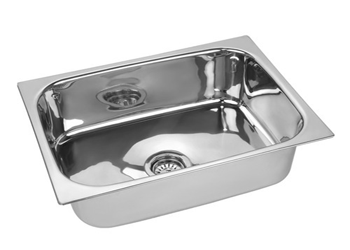
Verma Industries is the leading Sink Manufacturer in Delhi in the Industry of sink manufacturing market.
We are involved in manufacturing and supplying a wide variety of kitchen sinks such as single sink, double sink, drain sink, stainless steel sink etc.
To order now visit here http://www.jerrysink.com/sink-delhi.html