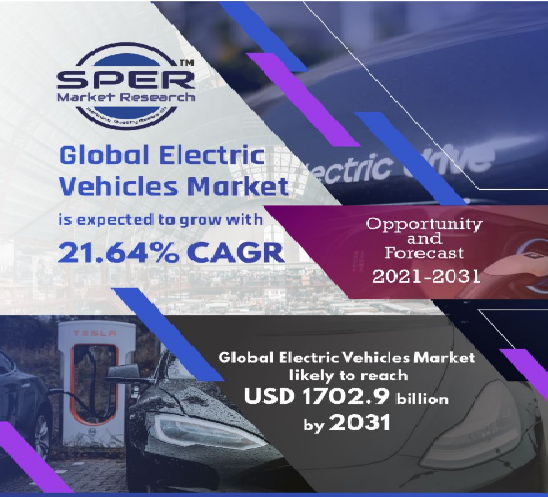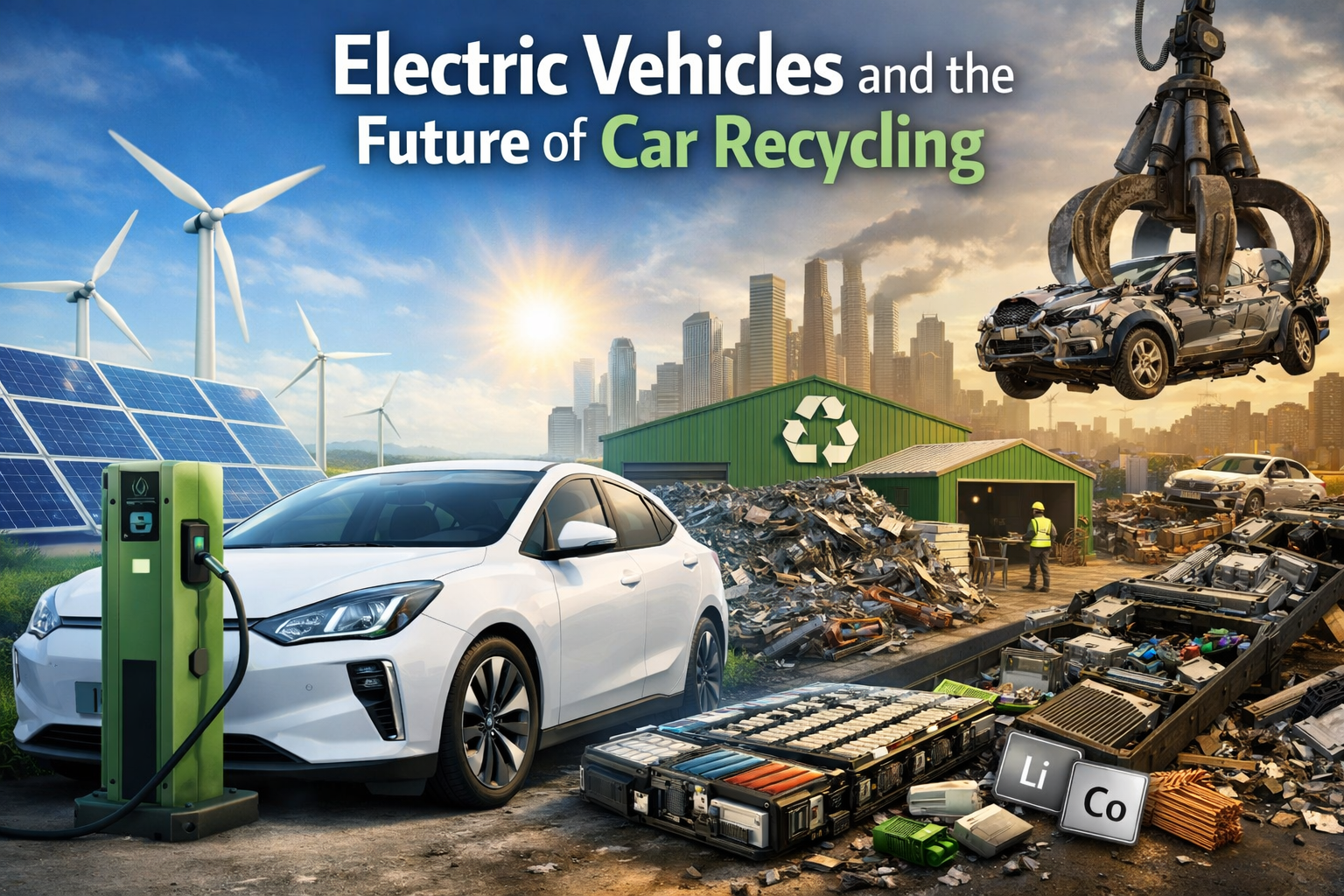
Electric vehicles are no longer a niche segment of the automotive market. Across Australia and globally, adoption continues to grow as sustainability initiatives, policy changes, and consumer awareness reshape transportation choices.
While much discussion focuses on charging infrastructure and emissions reduction, a quieter but equally important question is emerging:
What happens when electric vehicles reach the end of their lifecycle?
Car recycling is evolving rapidly to meet this new reality, and the changes underway will influence both environmental outcomes and resource management in the years ahead.
The Shift From Mechanical to Material Value
Traditional vehicle recycling has largely centred on recovering metals and reusable components from internal combustion vehicles.
Electric vehicles introduce a different value structure. Instead of engines and transmissions dominating recovery value, focus shifts toward:
- Battery materials
- Rare metals
- Electronic systems
- Lightweight structural components
This changes how recycling facilities assess, dismantle, and process vehicles.
For broader insight into existing vehicle recycling pathways, you can explore: https://www.a1wreckers.com.au/
Battery Recycling Becomes the Centrepiece
The defining difference in EV recycling lies in battery management. Lithium-ion battery packs contain valuable materials including:
- Lithium
- Nickel
- Cobalt
- Manganese
Recovering these resources reduces mining demand and supports circular manufacturing practices.
However, battery handling requires specialised processes due to:
- Safety considerations
- Storage protocols
- Chemical stability
- Transport regulations
As EV numbers grow, infrastructure dedicated to battery recycling is expected to expand significantly.
Technology-Driven Dismantling
Electric vehicles contain advanced electronic architecture that differs from traditional vehicles.
Recycling operations are increasingly adopting:
- Automated dismantling tools
- Diagnostic scanning
- Component tracking
- Precision material separation
These technologies improve recovery rates and ensure higher-value materials are preserved.
Environmental Implications
EV recycling presents both opportunities and challenges.
Positive Outcomes
- Reduced raw material extraction
- Lower lifecycle emissions
- Expanded resource reuse
- Innovation in sustainable processing
Ongoing Challenges
- Battery transport logistics
- Recycling infrastructure scale
- Regulatory adaptation
- Material recovery efficiency
Balancing these factors will define the long-term environmental success of electric mobility.
Industry Adaptation and Future Outlook
Automotive recycling sectors are already preparing for change through:
- Facility upgrades
- Training initiatives
- Safety protocol revisions
- Strategic partnerships
As EV adoption accelerates, the industry is likely to transition toward hybrid workflows capable of processing both conventional and electric vehicles efficiently.
This evolution reinforces the importance of adaptable collection and disposal ecosystems within the broader automotive lifecycle.
Why This Matters for Vehicle Owners
While EV ownership continues to rise, end-of-life planning remains relevant.
Understanding disposal pathways helps ensure:
- Responsible recycling
- Efficient material recovery
- Reduced environmental impact
- Streamlined transition when upgrading vehicles
Awareness today supports sustainability tomorrow.
Final Thoughts
Electric vehicles represent more than a shift in how cars are powered. They’re transforming how vehicles are recycled, how materials are recovered, and how industries approach sustainability.
The future of automotive recycling will centre on advanced recovery systems, specialised handling processes, and circular resource strategies designed for emerging technologies.


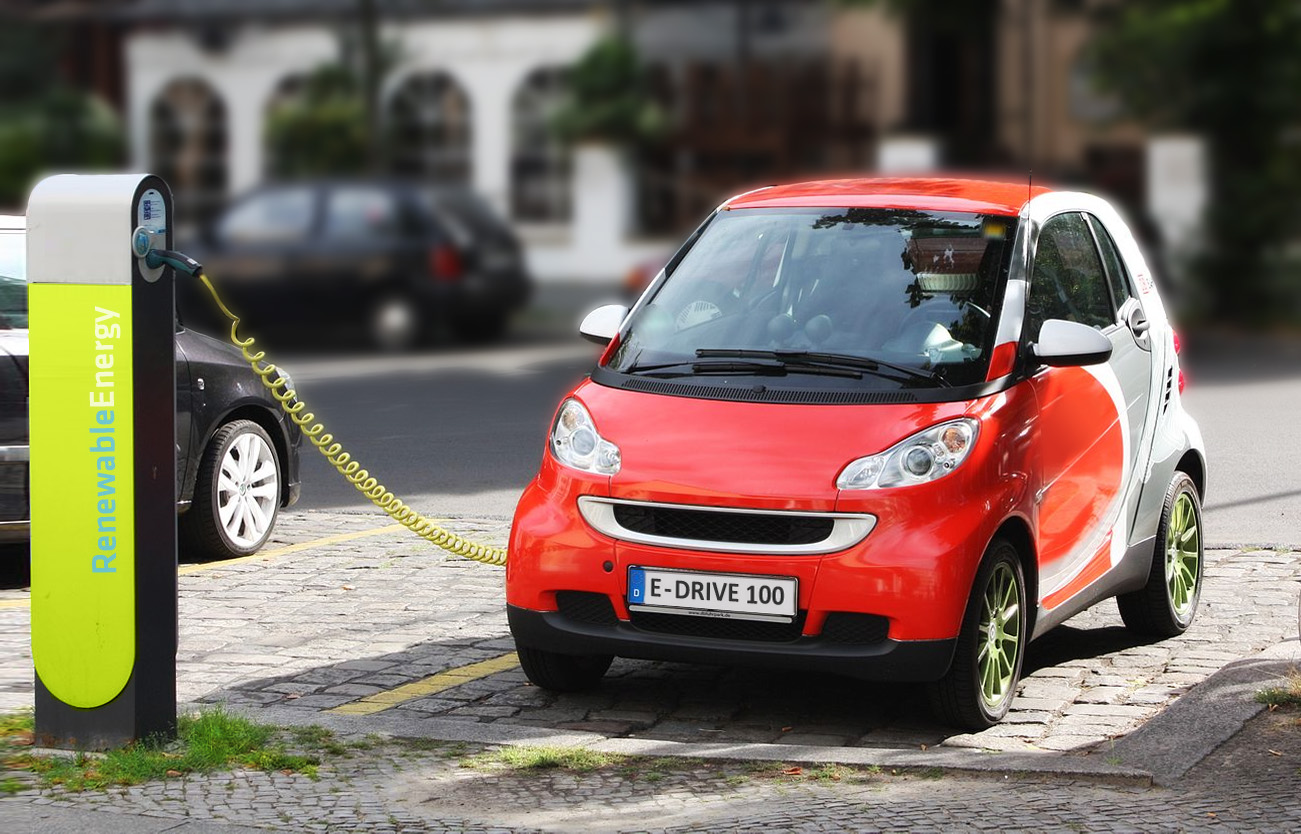
With increase in demand of enhanced fuel economy and rising fuel prices in vehicle are anticipated to drive vehicle electrification Industry growth globally.
Stringent government policies on harmful emissions from Carbon dioxide and rise in pollution are driving the electrification industry from past few years.
This market is likely to experience high growth due to rising requirement for electric systems in tax exemptions, vehicles and subsidies by the government with increase in diesel and petrol prices.
Major Products in Electric Vehicles Market are Electric power steering, electric water pump, thermoelectric generator, electric oil pump, electric vacuum pump, electric mobile phone charger and liquid heater PTC.Browse Details of Report @ https://www.hexaresearch.com/research-report/electric-vehicles-ev-industry/Key players for Electric Vehicles market are JTEKT Corporation, Visteon Corporation, NSK ltd, Denso Corporation, Friedrichshafen AG, BorgWarner Inc and Nexteer Automotive Group LtdLargest Electric Power steering is expected to contribute for the major market share due to potential of ensuring the safe and secure driving in vehicles from hydraulic power steering.
This segment is further estimated to provide low energy consumption, better handling and reduced weight in vehicles which ultimately gives a strong place to market of Electric Power Systems.
North America is likely to witness major market share due to its growth in vehicle market, rigorous norms for emissions, and government subsidize provided for electric vehicles.