



Sexual health is a vital part of overall well-being, and understanding how to approach STD testing is a key component. A common question that arises is whether the testing process differs between men and women. The straightforward answer is yes, the procedures can be quite different, and these differences are largely due to anatomy and the specific ways infections can manifest in the body. This article will explore the nuances of STD Test Dubai for men and women, explaining why the approaches can vary while emphasizing that regular testing is a responsible practice for everyone.
Understanding the Basics of STD Testing
The primary reason testing protocols differ between men and women is biological. The reproductive and urinary systems are structured differently, which creates distinct environments for infections. For example, a woman's anatomy includes the cervix and vagina, which are common sites for infections like chlamydia and gonorrhea to take hold. In men, these same infections typically affect the urethra. Because of these differences, the samples needed to detect an infection can vary. A swab might be necessary to collect cells from a specific area, while a urine sample can effectively detect infections affecting the urethra in both genders, though it may not be sufficient for all female-specific sites of infection.
The Importance of Routine Screening
Routine screening is a cornerstone of preventative healthcare. Many sexually transmitted diseases can be asymptomatic, meaning they show no noticeable signs or symptoms. This is particularly true for infections like chlamydia and HPV. When left undetected and untreated, these infections can lead to serious, long-term health complications, such as pelvic inflammatory disease in women, which can affect fertility. For men, untreated infections can lead to conditions like epididymitis, a painful inflammation of the testicles. Regular testing, therefore, is not just about addressing immediate concerns but about safeguarding long-term health and well-being.
STD Testing Procedures for Women
For women, a visit for STD testing often involves a pelvic exam. During this exam, a healthcare provider may use a speculum to gently view the cervix. From there, they will use a soft swab to collect a sample of cells from the cervix or the vagina. This swab is then sent to a laboratory to be tested for infections like chlamydia and gonorrhea. In some cases, a woman may be given the option to perform a self-swab, which can be less invasive and more comfortable. This involves using a long cotton swab to gently collect a sample from the vagina, which is then sealed in a container and sent for analysis.
Urine and Blood Tests for Women
A urine test is another common method for detecting certain STDs in women, particularly chlamydia and gonorrhea. This is often preferred because it is non-invasive and easy to perform. However, it is not always the most sensitive test for detecting these infections in the cervix, so a healthcare provider might recommend a swab for a more accurate result. Blood tests are used to screen for viral infections like HIV, herpes (HSV), and syphilis. These tests look for antibodies or the antigens of the virus itself, indicating a current or past infection. For herpes, a blood test is particularly useful because a swab of a sore is only effective if a sore is present.
When and Why Specific Tests Are Recommended
The specific tests recommended for a woman can depend on several factors, including age, sexual history, and any current symptoms. For instance, routine screening for chlamydia and gonorrhea is often recommended annually for sexually active women under a certain age. If a woman has symptoms like unusual discharge, pain during intercourse, or irregular bleeding, a healthcare provider may recommend a more comprehensive panel. Additionally, the presence of symptoms like genital warts might lead to a visual diagnosis of HPV, though there is no routine swab test for HPV in men. For women, an HPV test may be done in conjunction with a Pap smear to screen for cervical cell changes.
STD Testing Procedures for Men
For men, the most common test for bacterial infections like chlamydia and gonorrhea is a urine sample. This is a simple and effective method, as the bacteria responsible for these infections typically reside in the urethra. The first part of the urine stream is usually the best sample for testing. In some cases, particularly if a man has symptoms like discharge from the penis, a healthcare provider might use a thin, soft swab inserted slightly into the urethra to collect a sample. While this can be momentarily uncomfortable, it provides a direct sample from the site of the infection and can be very accurate.
Blood Tests for Men
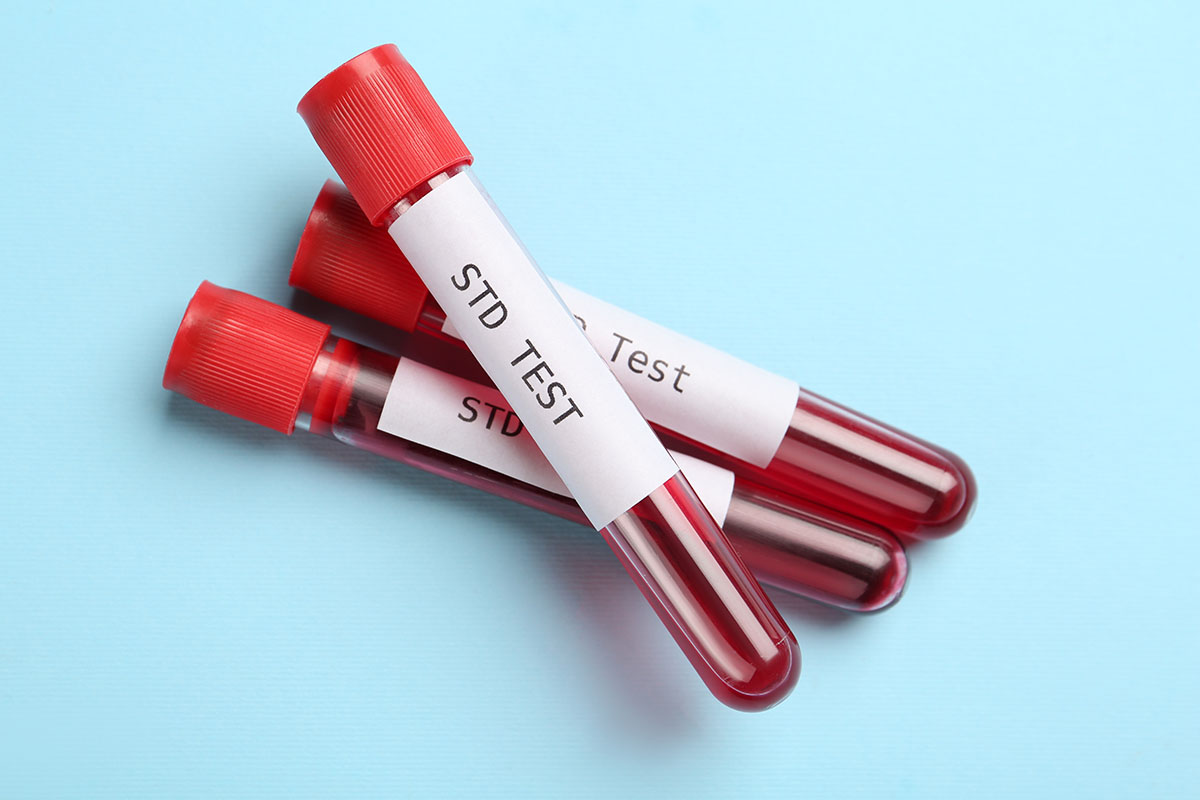
Just like for women, blood tests are essential for men to screen for HIV, syphilis, and herpes. These tests are not dependent on the presence of sores or symptoms and can detect infections that might otherwise go unnoticed. A simple blood draw can provide a wealth of information about a person's sexual health status. For herpes, a blood test can distinguish between HSV-1 and HSV-2, which is helpful for understanding the infection and managing it. These blood tests are a routine and vital part of a comprehensive sexual health check-up for men.
Physical Examinations for Symptoms
In addition to lab tests, a physical examination is a crucial part of STD testing for men. A healthcare provider will visually inspect the genital area for any signs of infection. This includes looking for sores, blisters, rashes, or warts that could indicate herpes, syphilis, or HPV. They may also check for discharge from the penis or any swelling or tenderness in the testicles, which could be a sign of epididymitis often caused by chlamydia or gonorrhea. This hands-on assessment allows the provider to correlate any physical findings with the results of urine or blood tests.
Key Differences and Overlaps in Testing
Despite the anatomical differences, there is significant overlap in the testing methods used for men and women. Both can and should be tested for the same core set of infections, including chlamydia, gonorrhea, syphilis, HIV, herpes, and hepatitis B and C. Blood tests are universal and are used to screen for the same viral and bacterial infections in everyone. Urine tests are also commonly used for both, though they may be slightly more definitive for men in detecting urethral infections. The goal for everyone is the same: to have a clear and accurate picture of one's sexual health status.
Unique Considerations for Each Gender
The unique considerations stem from the different health risks associated with each gender. For women, a significant focus is on the long-term reproductive consequences of untreated STDs. This is why screening for chlamydia and gonorrhea is so heavily emphasized, as these can lead to pelvic inflammatory disease, ectopic pregnancy, and infertility. For men, the focus might be more on the immediate symptoms and preventing the spread of infection to partners, though long-term health is still a concern. Additionally, the link between certain strains of HPV and cervical cancer makes HPV testing a critical part of women's health, a concern that does not have a direct parallel in routine male testing, although HPV can cause other cancers in men.
Frequently Asked Questions
How often should someone get tested for STDs?
The frequency of testing is a personal decision that should be based on lifestyle and risk factors. A good general guideline is to get tested at least once a year if you are sexually active. However, individuals with multiple partners, those who have a new partner, or people in non-monogamous relationships may benefit from more frequent testing, such as every three to six months. It is always best to have an open conversation with a healthcare provider to determine a testing schedule that is right for you.
Can STDs be detected immediately after exposure?
No, most STDs cannot be detected immediately after exposure due to the window period. This is the time between when a person is exposed to an infection and when a test can reliably detect it. For HIV, this can be a few weeks, while for syphilis, it can be several weeks. For chlamydia and gonorrhea, it might be a few days to a week. If there has been a recent potential exposure, it is important to speak with a healthcare provider, who can advise on when to come in for an initial test and when to return for a follow-up test to ensure accuracy.
Is testing painful or uncomfortable?
For the most part, STD testing is quick and causes minimal discomfort. A blood draw may cause a brief pinch, and providing a urine sample is completely painless. For women, a speculum exam can feel like pressure, but it is not typically painful. A urethral swab for men can be momentarily uncomfortable, similar to a sharp but very brief pinch. The important thing to remember is that any minor, fleeting discomfort is far outweighed by the peace of mind and the critical health information that testing provides.
Do I need to test for everything?
Not necessarily. "Testing for everything" is a common phrase, but there is no single test that covers all STD Test in Dubai. A healthcare provider will recommend a panel of tests based on individual risk factors, sexual history, and any current symptoms. A standard panel often includes tests for chlamydia, gonorrhea, syphilis, and HIV. Based on a conversation, they might also include tests for herpes, hepatitis, or trichomoniasis. This personalized approach ensures that the testing is thorough and relevant to each person's unique situation.




It's easy, and the results are generated instantly.The Most Popular Free Fake STD Tests Online!