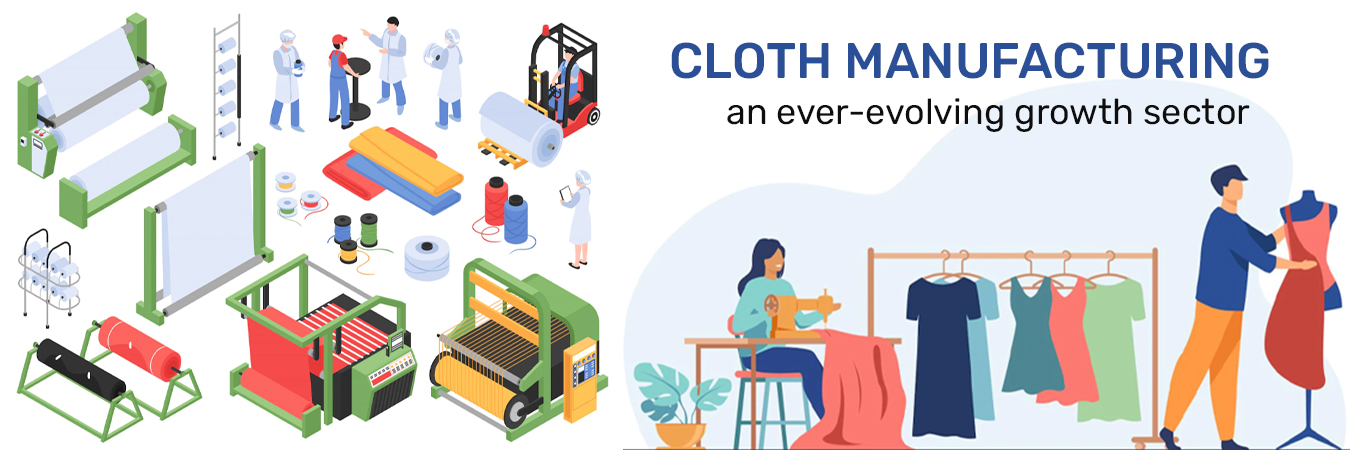
In today’s competitive global fashion industry, efficiency, quality, and speed are critical to success. Brands must move from concept to finished garment with precision while managing costs and maintaining high standards. This is where full package apparel production
becomes a transformative solution. By consolidating every stage of garment development into a single, coordinated system, this model allows fashion brands to streamline operations and focus on growth. Companies like Exploretex exemplify how integrated manufacturing can simplify complex supply chains and deliver consistent, high-quality results.
What Full-Service Manufacturing Really Means
Full-service apparel manufacturing is a comprehensive production model in which one partner manages the entire lifecycle of a garment. Instead of working with separate providers for design development, fabric sourcing, sampling, bulk production, and logistics, brands collaborate with a single organization that oversees all processes.
This approach creates a seamless workflow. The same team that reviews initial designs also supervises pattern development, selects fabrics, monitors stitching quality, and coordinates final shipment. Because all stages are interconnected, the risk of miscommunication is greatly reduced. Each department operates with a shared understanding of the brand’s goals, timelines, and quality expectations.
The result is a production process that feels unified rather than fragmented. For both emerging designers and established labels, this integration offers clarity and reliability in an industry known for complexity.
Simplifying a Complex Supply Chain
Fashion supply chains can be intricate and difficult to manage. Traditional production often involves sourcing fabrics from one supplier, sending materials to another factory for cutting, working with separate facilities for dyeing or finishing, and hiring third-party logistics providers for shipping. Each transition introduces potential delays, cost increases, and quality inconsistencies.
By consolidating these steps under one management structure, full-service production significantly reduces logistical friction. Materials move through coordinated stages without unnecessary transfers between unrelated vendors. Timelines become easier to predict, and accountability remains centralized.
This structure also allows brands to identify potential production challenges earlier. Instead of discovering an issue during final inspection, teams can address concerns during development or sampling. Early intervention saves time, reduces waste, and protects brand reputation.
Integrated Product Development and Technical Expertise
The journey from design sketch to finished garment requires technical precision. Pattern drafting, grading, fabric behavior analysis, and construction planning all play vital roles in ensuring a garment fits correctly and performs as intended.
In a fully integrated system, development specialists work closely with production managers from the beginning. This collaboration ensures that creative concepts align with manufacturing capabilities. Designers receive feedback on fabric suitability, seam construction, and cost implications before bulk production begins.
Sampling also becomes more efficient. Prototypes are developed using the same materials and technical standards that will be applied in final production. As a result, approved samples accurately reflect the final product, minimizing surprises and reducing the need for multiple revisions.
Strategic Fabric and Trim Sourcing
Fabric selection is one of the most influential factors in garment quality. Texture, durability, weight, stretch, and colorfastness all depend on the materials chosen. When sourcing is disconnected from production, inconsistencies may arise between approved samples and final output.
An integrated production partner manages sourcing as part of the broader manufacturing strategy. By working directly with trusted textile mills and trim suppliers, they ensure materials meet both design specifications and compliance requirements. This oversight guarantees continuity between development and bulk manufacturing.
Additionally, centralized sourcing provides access to innovative textiles and sustainable materials. Brands can explore organic fibers, recycled fabrics, or advanced performance blends with confidence that these materials will integrate smoothly into production.
Cost Control Through Efficiency
Cost management is a major concern for fashion businesses at every stage of growth. While outsourcing each step to specialized vendors may appear flexible, it often leads to hidden expenses. Shipping materials between facilities, correcting production errors, and managing multiple contracts can increase overall costs.
A unified production model enhances efficiency and reduces waste. Bulk purchasing agreements can lower material costs. Coordinated scheduling prevents downtime between stages. Built-in quality control reduces the likelihood of defective batches requiring costly rework.
Importantly, efficiency does not compromise craftsmanship. On the contrary, consistent oversight often improves construction standards. When quality checks are embedded throughout the process, defects are identified and resolved quickly, protecting both budgets and brand integrity.
Strengthening Quality Assurance
Quality control is most effective when it is continuous rather than reactive. In a fragmented supply chain, final inspections may reveal issues that originated much earlier in the process. Fixing these problems late in production can be expensive and time-consuming.
Full-service manufacturing incorporates quality assurance at every stage. Fabrics are inspected before cutting. Sewing lines are monitored for consistency. Measurements are verified against approved patterns. Finished garments undergo final audits before packaging.
This layered approach ensures that each garment meets defined standards for fit, durability, and appearance. For brands selling in competitive international markets, maintaining consistent quality is essential for customer trust and long-term success.
Supporting Sustainability and Ethical Standards
Modern consumers are increasingly aware of the environmental and social impact of their clothing. Transparency in sourcing, responsible labor practices, and sustainable material use are now fundamental to brand reputation.
An integrated manufacturing partner has greater control over these factors because the entire process operates within one coordinated system. Energy use, water consumption, and waste management can be monitored more effectively. Ethical labor practices can be implemented consistently across facilities.
This centralized oversight makes it easier for brands to align with sustainability goals and communicate authentic commitments to their customers. Rather than relying on fragmented assurances from separate suppliers, businesses can trace their products through a unified chain of accountability.
Flexibility for Growing Brands
Startups and independent designers often face challenges when entering garment production. Limited order quantities, tight budgets, and lack of technical experience can create obstacles. A full-service partner provides not only manufacturing capabilities but also guidance.
From refining technical drawings to advising on fabric selection and cost planning, experienced teams help new brands navigate the production landscape. This support reduces costly mistakes and accelerates time to market.
As brands expand, integrated systems offer scalability. Production volumes can increase without requiring a complete restructuring of suppliers. New collections can be introduced efficiently because development, sourcing, and manufacturing already operate within an established framework.
Portugal’s Competitive Advantage in Apparel Manufacturing
Portugal has earned a strong reputation as a high-quality apparel manufacturing destination. The country combines traditional textile craftsmanship with modern technology and strict quality standards. Skilled labor, advanced machinery, and proximity to major European markets make it an attractive location for fashion production.
Manufacturers operating in Portugal often emphasize innovation and sustainability, aligning well with contemporary brand values. Shorter lead times within Europe allow faster response to seasonal demand and trend shifts.
Exploretex stands out within this environment by offering comprehensive production services that combine technical expertise with attentive client support. By managing development, sourcing, manufacturing, and logistics under one structure, the company enables brands to access Portugal’s manufacturing strengths without unnecessary complexity.
Efficient Logistics and Distribution
Production does not end when garments leave the sewing line. Packaging, labeling, compliance documentation, and freight coordination are equally important in ensuring timely market entry.
Integrated production models often include logistical planning as part of the overall strategy. This coordination prevents delays between manufacturing completion and shipment. Customs documentation is prepared accurately, reducing the risk of border complications.
When logistics are synchronized with production schedules, brands can launch collections confidently. Reliable delivery timelines strengthen relationships with retailers and customers alike.
Long-Term Strategic Growth
Adopting a full-service production approach is not simply about convenience; it is a strategic investment. Simplified supply chains reduce operational stress. Centralized oversight enhances quality consistency. Transparent communication builds trust between brand and manufacturer.
As fashion markets evolve and consumer expectations rise, adaptability becomes essential. Integrated production partners allow brands to experiment with new fabrics, introduce limited editions, and respond quickly to emerging trends without disrupting established processes.
Exploretex demonstrates how coordinated expertise can empower brands to focus on design innovation and market strategy while relying on a stable, efficient production foundation.
Conclusion
The modern fashion industry demands agility, transparency, and consistent quality. Full-service manufacturing answers these demands by uniting every stage of garment development within a single, accountable framework. From concept and sourcing to production and distribution, this integrated model reduces risk and enhances efficiency.
For brands seeking sustainable growth and reliable execution, working with an experienced partner such as Exploretex offers more than manufacturing capacity. It provides strategic alignment, operational clarity, and the confidence to scale in an increasingly competitive market. In an industry defined by rapid change, integrated apparel production stands as a powerful pathway to long-term success.