If your body does not respond the way it used to, you are not imagining it. Fat loss after 30 often feels slower, more frustrating, and less predictable. Workouts that once worked stop delivering the same results. Cutting calories feels less effective.
Even small weight gain becomes harder to reverse. The difference is not effort. It is physiology. Once you understand what changes after 30, you can adjust your strategy and start seeing results again.
What Changes After 30
As women move into their 30s, muscle mass naturally begins to decline if strength training is not prioritized. Because muscle is metabolically active tissue, losing it lowers your resting metabolism. This means your body burns fewer calories at rest than it did in your 20s.
Hormones also shift. Estrogen and progesterone fluctuations can influence fat storage, especially around the midsection. Stress levels often increase due to career and family responsibilities. Sleep may become lighter or inconsistent. All of these factors affect fat loss.
If you want a deeper breakdown of these hormonal and metabolic changes, read Why It Is So Hard for Women to Lose Weight After 35.
Why Extreme Dieting Stops Working
One of the biggest mistakes women make after 30 is cutting calories too aggressively. While crash dieting may have worked years ago, it often backfires now.
Eating too little can:
- Increase stress hormones
- Lower energy levels
- Slow metabolism
- Reduce muscle mass
- Increase cravings
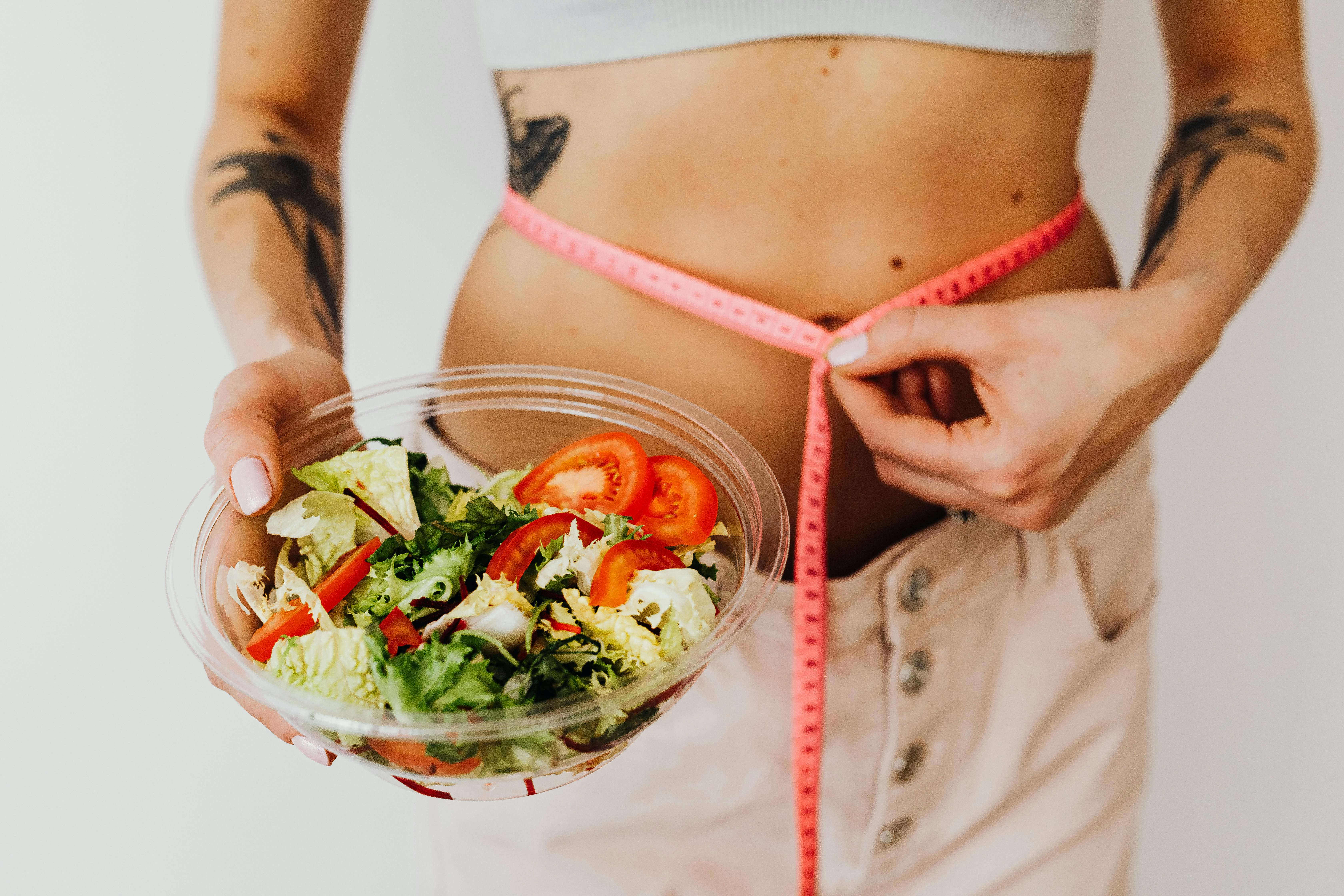
Instead of restriction, balanced nutrition becomes critical. Structured support through Online Nutrition Coaching for Women helps you fuel your body properly while still creating a sustainable calorie deficit. When your nutrition supports your training and hormones, fat loss becomes more predictable.
Strength Training Is Non Negotiable
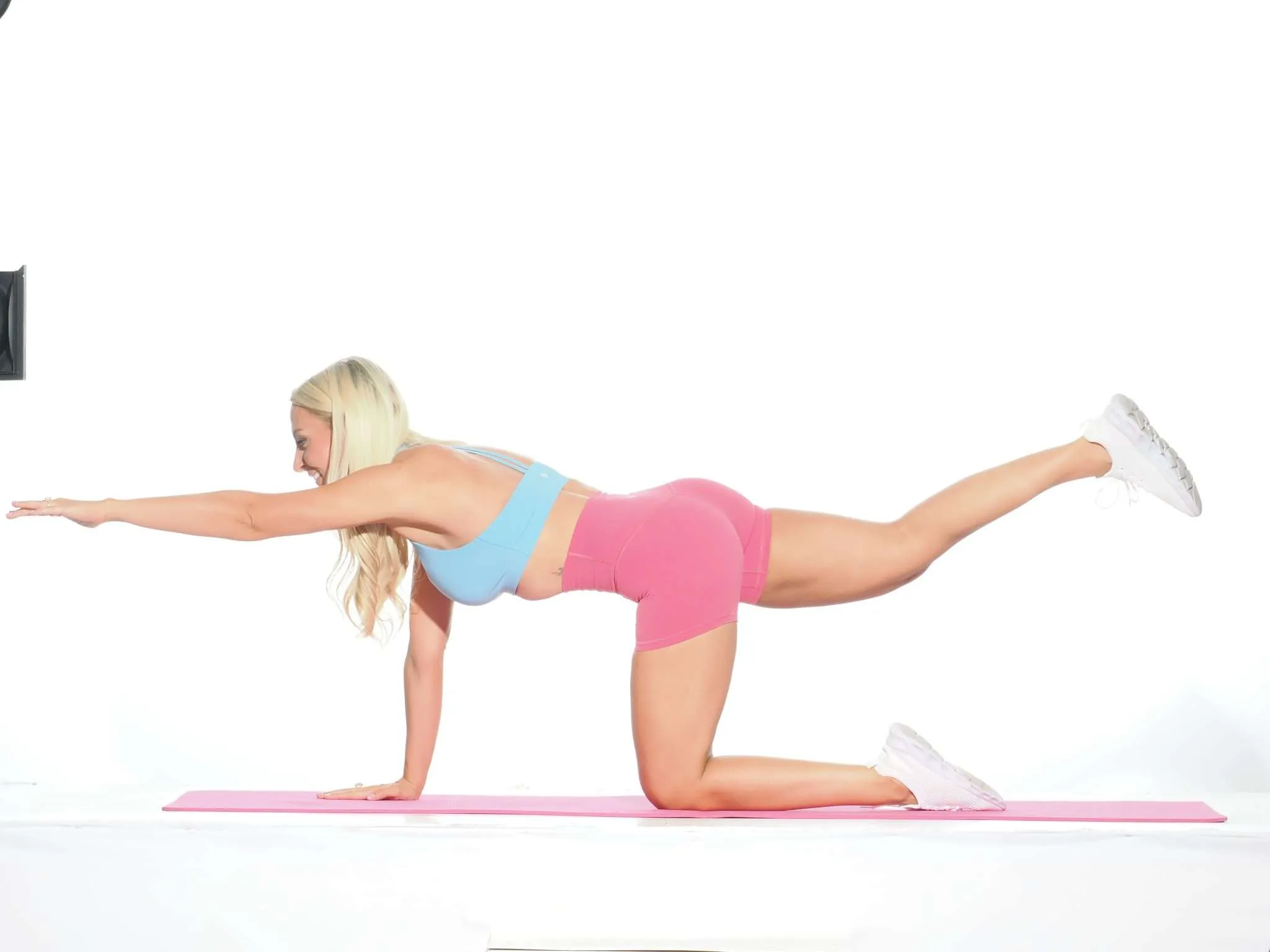
Cardio alone is not enough after 30. Strength training becomes the foundation of fat loss.
Benefits of strength training include:
- Preserving lean muscle
- Increasing resting metabolism
- Improving insulin sensitivity
- Enhancing body composition
- Supporting bone health
Following a structured Online Fitness Program for Women ensures your workouts are progressive and aligned with fat loss goals. Random workouts without progression are one of the main reasons women plateau.
Recovery Matters More Than Ever
In your 30s, recovery becomes just as important as training. Many women respond to stalled progress by training harder. Often the body needs better recovery instead.
Focus on:
- 7 to 8 hours of quality sleep
- Stress management
- Proper hydration
- Scheduled rest days
High stress and poor sleep elevate cortisol, which can stall fat loss even when you are doing everything else correctly.
Consistency Beats Intensity
Fat loss after 30 rewards consistency more than intensity. Short bursts of extreme dieting or aggressive training usually lead to burnout. Sustainable habits produce lasting results.
A strong fat loss foundation includes:
- Strength training 2 to 4 times per week
- Balanced, protein rich meals
- Daily movement
- Realistic expectations
- Ongoing accountability
If you prefer personalized guidance based on your location, you can explore:
- Online Weight Loss Coach Toronto
- Online Weight Loss Coach Kincardine
- Online Weight Loss Coach Barrie
- Online Weight Loss Coach Port Elgin
Structured coaching removes guesswork and helps you stay consistent long term.
What Actually Works After 30
Fat loss after 30 requires a smarter strategy. The women who see results focus on:
- Building and maintaining lean muscle
- Eating enough protein
- Managing stress
- Prioritizing sleep
- Tracking progress beyond the scale
- Following a structured plan
When you stop chasing extremes and start supporting your body properly, fat loss becomes sustainable instead of exhausting.
Final Thoughts
Fat loss after 30 is not impossible. It simply requires an updated approach. Strength training, balanced nutrition, proper recovery, and consistent habits will always outperform crash dieting and excessive cardio. When your plan matches your physiology, results follow.