Maritime transport plays a critical role in global trade, moving large volumes of hazardous materials across international waters every day. From chemicals and petroleum products to lithium batteries and industrial gases, dangerous goods are frequently shipped by sea. Because of the risks involved, strict international regulations govern how these materials must be classified, packaged, labeled, documented, and handled. IMDG training is essential for ensuring full compliance with these regulations and maintaining safe shipping operations.
The International Maritime Dangerous Goods Code establishes uniform standards for the safe transport of hazardous materials by vessel. Companies that fail to meet these standards face serious consequences, including shipment delays, port refusals, financial penalties, and potential safety incidents. A structured IMDG dangerous goods training program provides the knowledge and practical skills required to prevent these risks.
Understanding the IMDG Code Requirements
The IMDG Code outlines detailed procedures for identifying hazardous materials, determining proper shipping names, assigning UN numbers, selecting approved packaging, applying correct hazard labels, and preparing required documentation. It also includes stowage and segregation requirements that are critical to vessel safety.
IMDG training ensures that employees understand how to interpret and apply these complex regulations. Personnel responsible for preparing dangerous goods shipments must be able to navigate the Dangerous Goods List, packing instructions, and special provisions accurately. Without proper instruction, errors can occur at any stage of the shipping process.
An IMDG certification course provides structured learning that aligns with the latest edition of the IMDG Code. Because the Code is updated every two years, ongoing education is necessary to remain compliant with current maritime standards.
Preventing Compliance Violations and Delays
Ports and maritime authorities conduct regular inspections to verify compliance with IMDG requirements. Common violations include incorrect classification, improper labeling, incomplete documentation, and failure to follow segregation rules. These mistakes can lead to shipment rejections, costly delays, and increased scrutiny from regulators.
IMDG dangerous goods training helps organizations avoid these compliance failures. Employees learn how to prepare shipping documents accurately, select appropriate packaging, and apply correct hazard communication markings. By completing a recognized IMDG certification course, personnel gain the confidence to manage dangerous goods shipments without costly errors.
Proper training also supports smoother coordination between shippers, freight forwarders, and vessel operators. When all parties understand regulatory requirements, the likelihood of misunderstandings and delays decreases significantly.
Enhancing Maritime Safety
Safety is the primary purpose of the IMDG Code. Hazardous materials can pose serious risks, including fire, explosion, toxic exposure, and environmental contamination. Improper stowage or incompatible cargo placement can create dangerous situations aboard vessels.
IMDG training emphasizes hazard recognition, compatibility requirements, and emergency response procedures. Employees learn how to identify incompatible substances and apply correct segregation rules to prevent incidents during transit.
An IMDG dangerous goods training program also strengthens a company’s overall safety culture. When employees understand the reasons behind regulatory requirements, they are more likely to follow procedures carefully and consistently.
Meeting Legal and Employer Responsibilities
Employers are responsible for ensuring that employees involved in the transport of dangerous goods receive appropriate instruction. An IMDG certification course satisfies this requirement by providing documented proof of training aligned with international maritime regulations.
Maintaining accurate training records is essential for audits and inspections. Demonstrating that employees have completed IMDG training shows that the organization is committed to regulatory compliance and responsible shipping practices.
Recurrent training is equally important. As regulatory updates are introduced, companies must ensure that their workforce remains informed of changes affecting packaging standards, documentation procedures, and stowage requirements.
Supporting Global Trade and Operational Efficiency
Maritime shipping connects global markets. Non compliant dangerous goods shipments can disrupt supply chains and damage business relationships. Delays at ports may lead to financial losses and reputational harm.
By investing in IMDG dangerous goods training, organizations reduce the risk of shipment disruptions. Employees who complete a comprehensive IMDG certification course are better prepared to manage documentation, packaging, and regulatory requirements efficiently.
Effective IMDG training supports smoother port operations, faster cargo acceptance, and improved collaboration with carriers and regulatory authorities. In a competitive global environment, this operational reliability is a significant advantage.
Conclusion
IMDG training is essential for maritime dangerous goods shipping because it ensures regulatory compliance, strengthens safety practices, and reduces operational risks. A structured IMDG dangerous goods training program equips employees with the knowledge required to interpret and apply complex maritime regulations accurately.
Completing a recognized IMDG certification course demonstrates a company’s commitment to responsible shipping and international compliance standards. In an industry where safety and accuracy are paramount, ongoing training is not only a regulatory requirement but a strategic investment in long term operational success.



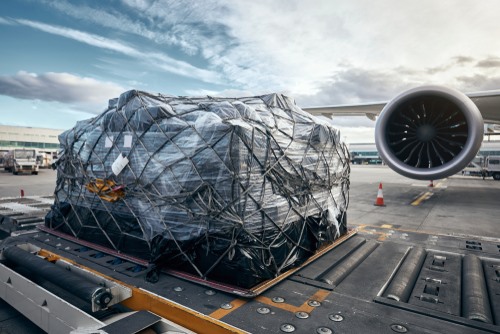
The packaging and the shipment of hazmat cargo are not something that each supplier has an experience or willingness to undertake.
Gomax Logistics has moved thousands of all kinds of deliveries around the world.
Our team is well trained in how to protect the dangerous shipments of pickup via delivery and ready to help move the wide range of items we are dealing with.